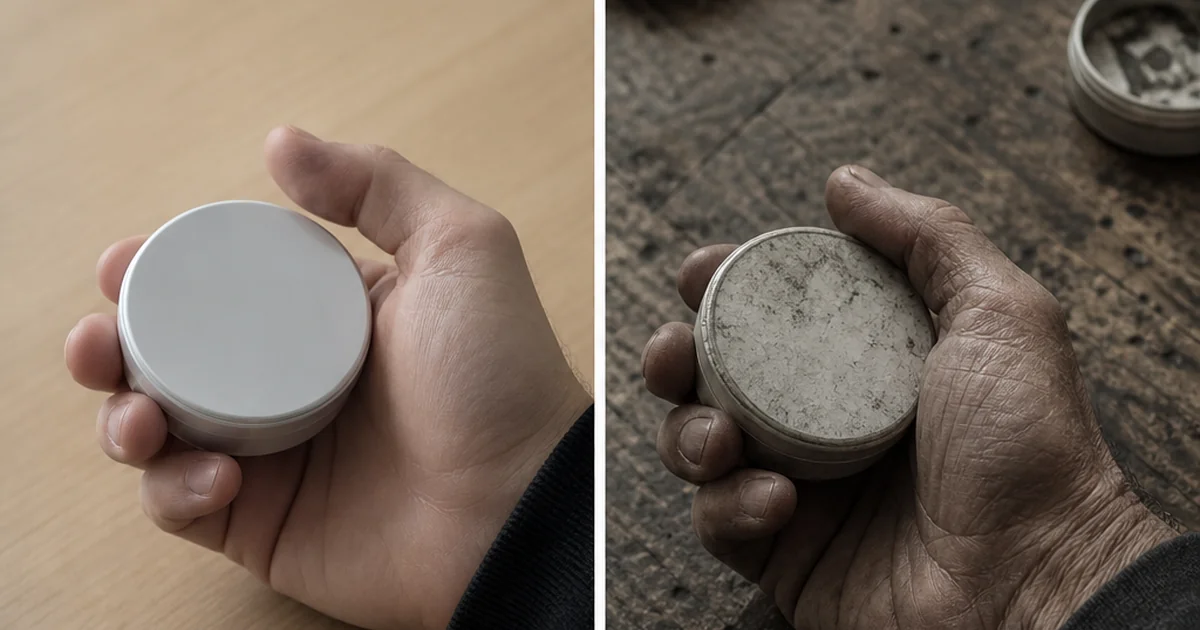
At 22, I opened my first can of ZYN with casual curiosity. At 28, I opened the same can with quiet desperation. Same product. Same flavor. Completely different relationship.
The contrast only became clear when I looked back. At 22, ZYN was an occasional indulgence, something I could take or leave. At 28, it was a daily necessity, woven into the fabric of my routine so completely that I could not imagine functioning without it. The shift happened so gradually that I never noticed the exact moment when casual use became dependence.
At 22: The Beginning
I started using ZYN at 22 because a friend offered me one at a party. It was 3mg, the lowest strength available. The buzz was pleasant but not overwhelming. I felt alert, slightly euphoric, and socially confident.
My use pattern was simple and occasional. A pouch on weekends when I was drinking. Maybe one during a long study session. I could go days without using and never think about it. The can would sit in my drawer for weeks, forgotten until the next social occasion.
There were no physical symptoms. No gum irritation. No sleep disruption. No anxiety when I ran out. I would finish a can, forget to buy another, and only remember weeks later when I happened to see them at a gas station.
I told myself I had it under control. I was right, at the time.
The Gradual Shift
Tolerance builds silently. This is the nature of nicotine addiction. Your brain adapts to regular exposure by downregulating dopamine receptors, which means the same dose produces less effect over time. You do not notice this happening day to day. You only notice when you look back and realize that what used to satisfy you no longer does.
For me, the escalation happened during life transitions. A new job brought stress and longer hours. A move to a new city meant fewer social connections and more time alone. Relationship changes created emotional turbulence that I did not know how to process.
During each of these periods, I reached for ZYN more frequently. Not as a conscious decision, but as a default response to discomfort. Stressful meeting at work? ZYN. Lonely evening in a new apartment? ZYN. Argument with my partner? ZYN.
The strength escalation followed the same invisible pattern. At some point, 3mg stopped feeling like enough. I switched to 6mg without really thinking about it. The stronger dose felt like a more effective solution to the same problems. I told myself it was just more efficient, not more dependent.
At 28: The Reality
By 28, my relationship with ZYN had transformed completely. I used daily, multiple times per day. The can that used to last weeks now lasted days. I had stashes in multiple locations: my desk drawer, my car, my gym bag, my nightstand.
The physical signs had accumulated gradually. My gums receded slightly where the pouches sat. I developed a persistent low-level anxiety that felt like my baseline rather than a temporary state. My sleep fragmented, with frequent waking in the middle of the night that I eventually traced to late-evening pouch use.
The withdrawal experience had changed too. At 22, skipping a day meant nothing. At 28, skipping a day meant irritability, difficulty concentrating, and a persistent craving that felt like it originated in my bones. The discomfort was real and physical, not just psychological.
The most telling change was my mental relationship with the product. At 22, I chose to use ZYN. At 28, I used ZYN because not using felt impossible. The choice had become a compulsion.
Why the Escalation Is Invisible
The gradual nature of nicotine dependence is what makes it so insidious. If you went from zero to your current usage overnight, you would notice immediately. But the change happens over years, in increments so small that each step feels like a reasonable adjustment rather than a slide into dependence.
You tell yourself stories to justify each escalation. The job is stressful right now, but it will calm down soon. The relationship is difficult, but things will get better. You are just using a bit more during a temporary rough patch. These stories make sense in the moment. They only fall apart when you look back and realize the rough patch has lasted six years.
The physical adaptation happens below the level of conscious awareness. Your brain chemistry changes gradually. Your tolerance increases imperceptibly. By the time you notice the physical dependence, it is already established.
What This Means for Early-Stage Users
If you are currently in your early stage of ZYN use, you might be reading this thinking you are different. You have it under control. You could stop whenever you want. I thought the same thing at 22.
The reality is that dependence does not announce itself. It arrives gradually, disguised as normal adaptation to life circumstances. The occasional use that feels harmless today can become the daily necessity that feels inescapable six years from now.
This is not meant to be alarmist. Many people use nicotine products occasionally without developing dependence. But the risk is real, and the progression from casual use to dependence is more common than most users want to believe.
For a deeper look at how long-term use affects the body, see our article on nicotine pouch side effects. For guidance on recognizing when your strength has escalated beyond what you need, see our breakdown of ZYN side effects by strength.
FAQ
How quickly does nicotine tolerance develop?
Tolerance develops gradually over months and years, not days or weeks. The brain's adaptation to regular nicotine exposure happens below the level of conscious awareness. Most users do not notice their tolerance increasing until they look back and realize the same dose no longer produces the same effect.
Why do people escalate from 3mg to 6mg without noticing?
The escalation typically happens during stressful life periods when users reach for nicotine more frequently. The stronger dose feels more effective at managing stress, and the switch feels like a practical adjustment rather than a sign of increasing dependence. By the time users recognize the pattern, the higher strength has become their new normal.
Can you reverse nicotine tolerance once it develops?
Tolerance can be partially reversed through extended abstinence, but the process is slow. Many former users report that even after months without nicotine, their tolerance never fully returns to naive levels. This is one reason relapse is common: the brain remembers its adapted state and quickly returns to it upon re-exposure.
What are the early warning signs of developing dependence?
Early signs include using more frequently than originally intended, feeling uncomfortable when you run out, escalating strength without a conscious decision, and using nicotine to cope with routine stress rather than special occasions. The key indicator is whether you can easily take extended breaks without discomfort.
How does age affect nicotine dependence?
Younger brains are more plastic and may develop dependence more quickly, but the progression from casual use to dependence follows similar patterns across age groups. The difference is often life circumstances: younger users may have fewer responsibilities that mask the functional impact of dependence.
Is it harder to quit after years of use compared to early use?
Yes. The longer you use nicotine, the more established the physical dependence becomes. Withdrawal symptoms tend to be more intense and prolonged after years of use compared to early use. However, successful cessation is possible at any stage with appropriate support and preparation.
The can I opened at 22 and the can I opened at 28 contained the same product. But they represented completely different relationships with nicotine. At 22, ZYN was a choice. At 28, it was a necessity I no longer remembered choosing.
If you are currently using ZYN occasionally and believe you have it under control, you may be right. But understand that dependence does not arrive with an announcement. It creeps in gradually, year by year, until one day you realize the product that used to be optional has become essential.
The time to assess your relationship with nicotine is now, while you still have the perspective to see clearly. Once dependence is fully established, the view looking backward is very different from the view looking forward.
Download PouchOut today and start your journey to a nicotine-free life with the support and structure you need to succeed.