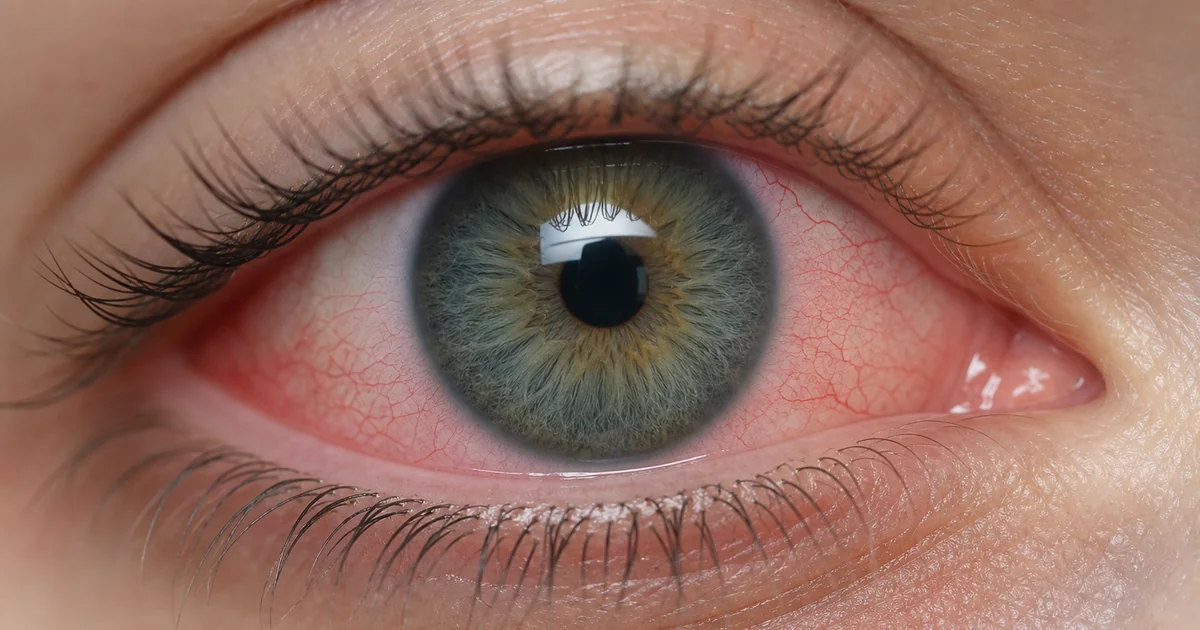
Your eyes feel gritty, like there is sand trapped under your eyelids that you cannot blink away. They are slightly red by mid-afternoon. Screens seem brighter and more uncomfortable than they used to. You have been using artificial tears, adjusting your monitor, taking breaks, but the relief is temporary. If you started using ZYN or increased your usage recently, the connection is not coincidental. Nicotine pouches can cause or worsen dry eye symptoms through a specific physiological mechanism that most users never hear about.
How Normal Tear Production Works
Your eyes stay lubricated through a complex system involving multiple glands, neural signals, and blood flow. Understanding this system helps explain why nicotine disrupts it.
The Lacrimal Glands:
Your main tear-producing glands, the lacrimal glands, sit above each eye in the outer upper corner of the orbit. These glands produce the aqueous layer of your tear film, the watery component that keeps your eyes moist and washes away debris. When functioning normally, the lacrimal glands produce tears continuously at a basal rate, with increased production during reflex tearing (when you cry or get something in your eye).
The Tear Film:
A healthy tear film has three layers. The inner mucin layer helps tears stick to the eye surface. The middle aqueous layer provides moisture and oxygen. The outer lipid layer prevents evaporation. All three layers must be present in the right proportions for comfortable vision. Disruption to any layer causes dry eye symptoms.
Blood Supply Matters:
The lacrimal glands are highly vascularized. They receive blood supply from branches of the ophthalmic artery, and this blood flow is essential for their function. The glands need oxygen, nutrients, and proper fluid balance to produce tears. Reduced blood flow directly impairs their ability to function.
Neural Control:
Tear production is regulated by the autonomic nervous system, specifically the parasympathetic nervous system through the facial nerve. Nicotine affects autonomic function broadly, which further complicates tear production beyond just blood flow effects.
How Nicotine Disrupts Tear Production
Nicotine is a potent vasoconstrictor. It causes blood vessels throughout your body to narrow, reducing blood flow to tissues and organs. This effect is not limited to the area where you place a nicotine pouch. It is systemic.
Vasoconstriction and the Lacrimal Glands:
When you use ZYN, nicotine enters your bloodstream through the mucous membranes in your mouth. Within minutes, it circulates throughout your body, causing blood vessels to constrict. This includes the blood vessels supplying your lacrimal glands.
Reduced blood flow to the lacrimal glands means less oxygen delivery, reduced nutrient availability, and impaired cellular function. The glands cannot produce tears at their normal rate. The aqueous layer of your tear film becomes deficient, leading to evaporative dry eye.
The Mechanism in Plain Terms:
Think of the lacrimal glands like a factory that produces tears. Blood flow is the delivery truck bringing raw materials and fuel. When nicotine constricts blood vessels, fewer delivery trucks arrive. The factory cannot operate at full capacity. Production slows down. Your eyes receive fewer tears than they need.
This is not a theoretical concern. Studies on smokers have documented reduced tear production and tear film instability associated with nicotine use. While specific studies on nicotine pouches are limited, the mechanism is identical. Nicotine is nicotine, regardless of delivery method.
Duration of Effect:
Nicotine's vasoconstrictive effects begin within minutes of absorption and persist for hours. For someone using ZYN throughout the day, blood vessels may be continuously constricted, leading to chronic reduction in lacrimal gland perfusion. This explains why heavy users often experience persistent dry eye symptoms rather than temporary discomfort.
The Nicotine and Mucous Membrane Connection
The same mechanism that causes dry mouth from ZYN also contributes to dry eyes. Both involve mucous membrane tissues affected by nicotine's systemic effects.
Dry Mouth Parallel:
Nicotine reduces salivary gland function through similar vasoconstrictive and autonomic effects. Users commonly report dry mouth as a side effect of nicotine pouch use. The lacrimal glands and salivary glands are both exocrine glands regulated by the autonomic nervous system and dependent on adequate blood flow.
If you experience both dry mouth and dry eyes since starting ZYN, you are seeing the systemic effects of nicotine on mucous membrane function. The connection is not coincidental. It is the same physiological mechanism affecting different glands.
Autonomic Nervous System Effects:
Nicotine stimulates the sympathetic nervous system (fight-or-flight) while suppressing parasympathetic activity (rest-and-digest). Tear production is primarily parasympathetically mediated. By shifting autonomic balance toward sympathetic dominance, nicotine indirectly suppresses the neural signals that stimulate tear production.
This dual mechanism, reduced blood flow plus altered neural signaling, creates a compounding effect on tear production that is more severe than either mechanism alone.
Symptoms to Watch For
Dry eye from nicotine use has specific characteristics that distinguish it from other causes like allergies or screen-related strain.
Gritty or Sandy Sensation:
The most common complaint is a feeling that something is in the eye, even when examination reveals no foreign body. This occurs because an inadequate tear film allows the eyelid to rub against the cornea with each blink, creating friction that feels like grit.
Light Sensitivity:
A deficient tear film reduces the eye's ability to filter and distribute light evenly. You may find yourself squinting in bright environments or experiencing discomfort from screens that did not bother you before.
Redness:
Chronic dryness causes inflammation of the conjunctiva, the clear membrane covering the white part of your eye. This redness is often worse in the afternoon or evening after a day of nicotine use.
Blurred Vision That Improves With Blinking:
An unstable tear film creates an irregular optical surface. Vision may fluctuate, clearing temporarily after a forceful blink redistributes tears. This distinguishes nicotine-related dry eye from refractive errors, which persist regardless of blinking.
Learn more about ZYN and blurry vision, which often co-occurs with dry eye symptoms.
Eye Fatigue:
Your eyes work harder to maintain focus when the tear film is inadequate. This causes fatigue, particularly during reading or computer use. You may find yourself needing to close your eyes for relief more frequently than before.
Worsening With Heavy Use:
A key diagnostic clue is the correlation with nicotine use. If symptoms are worse on days when you use more ZYN, or if they improve when you take a break from nicotine, the connection is likely causal.
Why It Gets Worse With Heavy Use and Improves When You Stop
The relationship between nicotine dose and dry eye severity follows a predictable pattern that confirms the causal connection.
Cumulative Effect:
Light or occasional nicotine use may cause mild, barely noticeable dry eye symptoms. As usage increases, the effects compound. Continuous vasoconstriction throughout the day means lacrimal glands never receive adequate blood flow to recover. Chronic hypoperfusion leads to progressively worse tear production.
Tolerance Does Not Develop:
Unlike some nicotine effects where tolerance develops over time, the vasoconstrictive properties of nicotine do not diminish with regular use. Your blood vessels do not become resistant to nicotine's constricting effects. Heavy users often experience worse dry eye symptoms than new users because of cumulative exposure, not despite it.
Reversibility:
The good news is that nicotine-related dry eye is reversible. When you stop using nicotine, blood flow to the lacrimal glands normalizes. Tear production recovers. Most users report significant improvement in dry eye symptoms within days to weeks of quitting.
This reversibility is both a diagnostic confirmation and a path to relief. If your dry eye symptoms improve when you stop using ZYN and return when you resume, you have identified the cause.
What Helps in the Meantime
If you are not ready to quit nicotine entirely, or if you are in the process of tapering down, several strategies can help manage dry eye symptoms while you work toward cessation.
Artificial Tears:
Over-the-counter artificial tear drops can provide temporary relief by supplementing your natural tear film. Look for preservative-free formulations if you need to use them frequently. While they do not address the root cause, they can make daily activities more comfortable.
The 20-20-20 Rule for Screens:
Every 20 minutes, look at something 20 feet away for 20 seconds. This reduces eye strain and encourages blinking, which helps redistribute tears. Screen use worsens dry eye symptoms because we blink less when focusing on displays.
Humidifier:
Using a humidifier in your home or office adds moisture to the air, reducing tear evaporation. This is particularly helpful in dry climates or during winter when indoor heating reduces humidity.
Stay Hydrated:
Dehydration worsens dry eye symptoms. Drink adequate water throughout the day. While hydration alone cannot overcome nicotine's effects on lacrimal glands, it supports overall tear film quality.
Warm Compresses:
Applying a warm, damp washcloth to closed eyes for 5-10 minutes can help stimulate oil production from the meibomian glands, which stabilizes the tear film and reduces evaporation.
Omega-3 Supplements:
Some studies suggest omega-3 fatty acids may support tear production and reduce inflammation. While evidence is mixed, supplementation may provide modest benefit for some users.
Limit Contact Lens Wear:
Contact lenses can worsen dry eye symptoms by absorbing tears and increasing friction against the cornea. If you wear contacts, consider reducing wear time or switching to glasses while experiencing nicotine-related dry eye.
The Honest Conclusion: The Only Reliable Fix
The strategies above provide temporary relief, but they do not address the root cause. As long as nicotine continues to constrict blood vessels and suppress lacrimal gland function, your eyes will struggle to maintain adequate moisture.
The only reliable, permanent solution is reducing or stopping nicotine use. When you quit ZYN, blood flow to your lacrimal glands normalizes. Tear production recovers. The gritty sensation, redness, and fatigue resolve.
This is not a moral judgment about nicotine use. It is a physiological reality. Nicotine affects blood flow throughout your body, including the delicate vasculature that supplies your tear-producing glands. You cannot use a vasoconstrictor daily without systemic effects.
If you are experiencing dry eye symptoms that correlate with your ZYN use, you have a choice. You can manage symptoms with artificial tears and environmental modifications while continuing nicotine use. Or you can address the root cause by working toward cessation.
FAQ
Can ZYN really cause dry eyes?
Yes. Nicotine is a vasoconstrictor that reduces blood flow to the lacrimal glands, impairing tear production. This is a documented physiological effect of nicotine, supported by studies on smokers and consistent with the mechanisms of nicotine pouch use.
How long after quitting ZYN do dry eyes improve?
Most users report noticeable improvement within one to two weeks of cessation. Full recovery of tear production may take longer depending on duration and intensity of use. The reversibility of symptoms confirms the causal connection.
Is dry eye from ZYN permanent?
No. Nicotine-related dry eye is reversible. When you stop using nicotine, blood flow to the lacrimal glands normalizes and tear production recovers. Long-term damage is unlikely unless dry eye was severe and prolonged, leading to secondary complications.
Can artificial tears fix nicotine-related dry eye?
Artificial tears provide temporary symptom relief but do not address the root cause. They supplement your tear film but cannot restore normal lacrimal gland function while nicotine continues to impair blood flow.
Why do my eyes feel worse in the afternoon?
Cumulative nicotine exposure throughout the day causes progressive vasoconstriction. By afternoon, your lacrimal glands have been operating with reduced blood flow for hours. Tear production declines as the day progresses, making symptoms worse later in the day.
Is dry eye from ZYN dangerous?
Chronic dry eye can lead to complications including corneal damage and increased infection risk if severe and untreated. However, nicotine-related dry eye typically resolves when you stop using nicotine. The risk is discomfort and temporary impairment, not permanent damage.
Can I use eye drops while using ZYN?
Yes, artificial tears are safe to use while using nicotine pouches. They provide temporary relief. However, they should be viewed as a management strategy, not a solution. The underlying cause remains until nicotine use stops.
Does everyone who uses ZYN get dry eyes?
No. Individual sensitivity varies based on genetics, baseline tear production, environmental factors, and usage patterns. Some users experience significant symptoms; others notice minimal effects. However, the physiological mechanism affects all users to some degree.
The Bottom Line
Dry eye is a real, documented side effect of nicotine use, including nicotine pouches like ZYN. The mechanism is clear: nicotine causes vasoconstriction that reduces blood flow to the lacrimal glands, impairing tear production. This is not a coincidence or imagination. It is physiology.
If you are experiencing gritty, irritated, dry eyes since starting or increasing ZYN use, the connection is likely causal. The symptoms are reversible when you stop using nicotine, which both confirms the cause and provides a path to relief.
Managing symptoms with artificial tears and environmental changes can help in the short term. But the only permanent solution is addressing the root cause. Learn more about ZYN and blurry vision, understand how much ZYN is too much, explore the connection between ZYN and dry mouth, review the withdrawal timeline, and when you are ready, start your journey to quit ZYN and give your eyes the relief they need.
If you experience severe eye pain, sudden vision changes, or persistent symptoms despite cessation, consult an eye care professional. This post is for informational purposes and does not constitute medical advice.