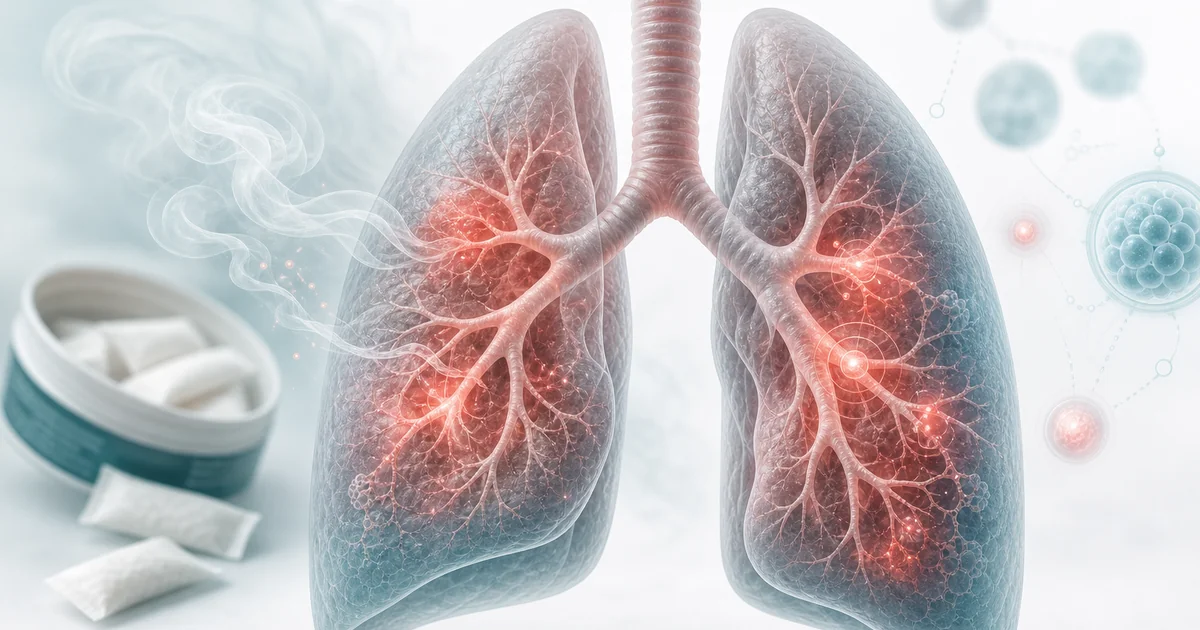
Recent health expert discussions following the FDA's modified risk approval for ZYN have brought a concerning chemical into the spotlight: formaldehyde. While the FDA ruling allows ZYN to market itself as lower-risk than cigarettes, health experts are warning that continual exposure to formaldehyde from nicotine pouches can cause respiratory irritation, increased airway resistance, and reduced lung function. This is not theoretical. This is what happens when a known irritant meets sensitive lung tissue day after day.
What Is Formaldehyde and Why Is It in Nicotine Pouches?
Formaldehyde is a colorless gas with a strong odor. It is used in building materials, household products, and yes, tobacco and nicotine products. In nicotine pouches, formaldehyde can form as a byproduct of the manufacturing process or from the degradation of certain ingredients when heated or stored.
The problem is not that nicotine pouches contain formaldehyde at dangerous acute levels. The problem is chronic exposure. Using multiple pouches daily, every day, for months or years creates a low-level but persistent exposure. Your lungs do not get a break. They are constantly processing small amounts of a chemical that irritates airways and triggers inflammation.
Health experts quoted in recent coverage have specifically warned about "continual exposure to formaldehyde" leading to respiratory and sensory irritation. This is not the same as the cancer risk discussions. This is about day-to-day breathing, lung capacity, and how your body feels when you climb stairs or go for a run.
The Respiratory Symptoms ZYN Users Report
If you have been using ZYN or similar nicotine pouches like Velo, Lyft, or On! regularly, you might have noticed breathing changes even if you did not connect them to the pouches. Users in online communities and forums frequently mention:
- Increased throat irritation: A persistent scratchy or dry feeling that does not go away with water
- Coughing fits: Especially in the morning or after using a pouch
- Shortness of breath: Feeling winded during activities that used to feel easy
- Chest tightness: A sensation of pressure that comes and goes
- Reduced exercise tolerance: Your cardio sessions feel harder than they should
These symptoms often get dismissed as allergies, weather changes, or just getting older. But the timing matters. If these issues started or worsened after you began using nicotine pouches, the connection is worth investigating.
How Formaldehyde Affects Your Airways
Formaldehyde is a respiratory irritant at the cellular level. When you inhale it, even in small amounts, it triggers inflammation in your airways. Over time, this inflammation can lead to:
Increased airway resistance: Your airways narrow slightly, making it harder for air to flow in and out. You might not notice this at rest, but during exercise or stress, you feel it.
Reduced lung function: Chronic irritation can decrease your lungs' ability to exchange oxygen efficiently. This shows up on spirometry tests as lower FEV1 scores, even in otherwise healthy young adults.
Sensory irritation: The burning or scratchy feeling in your throat and nose is your body's warning system. It is telling you something is wrong.
Heightened sensitivity: Repeated exposure can make your airways more reactive to other irritants like pollen, dust, or cold air.
The health experts warning about formaldehyde exposure are not being alarmist. They are pointing out that "lower risk than cigarettes" does not mean "risk-free," and respiratory irritation is one of the most documented concerns.
The FDA Approval Does Not Mean Safe for Lungs
The FDA's modified risk tobacco product (MRTP) order allows ZYN to claim it puts users at lower risk of mouth cancer, heart disease, lung cancer, stroke, emphysema, and chronic bronchitis compared to cigarettes. This is based on comparative data. Cigarettes are so harmful that almost anything looks better by comparison.
But "lower risk than cigarettes" is not the same as "safe for your lungs." The FDA approval does not negate the formaldehyde exposure. It does not mean your airways will not become irritated. It simply means the overall risk profile is less catastrophic than smoking.
For someone trying to quit nicotine entirely, this distinction matters. Trading cigarettes for pouches might reduce some risks, but it introduces or maintains others. And if your goal is healthy lungs, continuing to expose them to formaldehyde daily is not progress.
What Happens When You Quit
The good news about respiratory irritation from nicotine pouches is that it is largely reversible. Unlike smoking, which can cause permanent structural damage to lung tissue, the nicotine pouch withdrawal process shows that irritation from formaldehyde exposure tends to resolve once exposure stops.
Most former users report:
- Week 1: Throat irritation decreases significantly. Morning cough improves.
- Week 2-3: Breathing feels easier during exercise. Less chest tightness.
- Month 1-3: Lung function tests show measurable improvement. Exercise tolerance returns to baseline.
- Month 6+: Airways feel clear. Reactivity to other irritants decreases.
This improvement timeline assumes you do not have underlying conditions like asthma or COPD. If you do, the recovery might take longer, and the formaldehyde exposure might have caused more significant irritation.
Protecting Your Lungs While Quitting
If you are currently using ZYN and concerned about formaldehyde exposure, here is how to protect your respiratory health during the quitting process:
Switch to lower-frequency use first: If you use 10+ pouches daily, cutting to 5 reduces your formaldehyde exposure by half immediately. This is harm reduction while you work toward full cessation.
Stay hydrated: Drinking water helps your body clear irritants from your airways. Aim for consistent hydration throughout the day.
Use air purifiers: A HEPA air purifier in your bedroom and living space reduces the overall irritant load on your lungs, giving them a better chance to heal.
Avoid compounding irritants: While quitting, try to minimize exposure to other respiratory irritants like vaping, secondhand smoke, strong cleaning chemicals, and heavy pollution.
Consider lung-supporting activities: Light cardio, breathing exercises, and steam inhalation can help your airways recover faster once you stop using pouches.
Track your symptoms: Note your breathing quality, cough frequency, and exercise tolerance. Most people see measurable improvement within two weeks of quitting, which can be motivating.
When to See a Doctor
If you have been using nicotine pouches regularly and experience any of the following, schedule a medical evaluation:
- Persistent cough lasting more than three weeks
- Coughing up blood or rust-colored sputum
- Chest pain that worsens with breathing
- Significant shortness of breath at rest
- Wheezing that does not resolve
- Unexplained weight loss combined with respiratory symptoms
These symptoms are not normal and should be evaluated, especially if you have a history of smoking or other lung risk factors.
The Bottom Line on Formaldehyde and Nicotine Pouches
The formaldehyde exposure from nicotine pouches is not a theoretical risk. Health experts are actively warning about respiratory irritation, increased airway resistance, and reduced lung function from continual exposure. The FDA's approval of ZYN as a modified risk product does not change this. It simply means ZYN is less harmful than cigarettes, which is a low bar.
If you value your lung health, the path forward is clear: reduce your exposure, then eliminate it. Check out our nicotine pouch side effects guide for more health information. Your airways can recover, but only if you give them the chance. The irritation, tightness, and reduced capacity you might be experiencing now do not have to be permanent.
Quitting nicotine pouches is not just about breaking an addiction. It is about stopping the daily irritation of your respiratory system by chemicals like formaldehyde. Your lungs are resilient, but they need your help.
Frequently Asked Questions
Does ZYN contain more formaldehyde than cigarettes?
No, cigarettes contain significantly more formaldehyde and other toxicants. However, "less than cigarettes" does not mean "safe." Chronic low-level formaldehyde exposure from pouches can still irritate airways and reduce lung function over time.
How long after quitting ZYN will my lungs feel better?
Most users report noticeable improvement in throat irritation and breathing within 1-2 weeks. Measurable lung function improvements typically appear within 1-3 months. Full recovery depends on duration of use and individual factors.
Can formaldehyde from nicotine pouches cause permanent lung damage?
Unlike smoking, which can cause permanent structural damage, formaldehyde irritation is typically reversible once exposure stops. However, long-term heavy use may contribute to chronic bronchitis or heightened airway reactivity in susceptible individuals.
Is there a way to use nicotine pouches without formaldehyde exposure?
No nicotine pouch product is completely free of manufacturing byproducts. The only way to eliminate formaldehyde exposure is to stop using nicotine pouches entirely. NRT products like patches or gum have different risk profiles and do not involve the same respiratory exposure.
Do all nicotine pouch brands contain formaldehyde?
Formaldehyde is a byproduct that can occur in many nicotine and tobacco products during manufacturing or storage. While levels may vary between brands, the presence of some formaldehyde is common across the category. The focus should be on total exposure reduction, not brand switching.
Will my doctor know if my breathing issues are from ZYN?
Doctors can identify respiratory irritation through examination and lung function tests, but pinpointing the exact cause requires honest disclosure of your nicotine pouch use. Be transparent about your usage so they can provide appropriate guidance.
Are there lung detox products that help after quitting?
Your lungs naturally clear irritants over time once exposure stops. There is no proven "detox" product that accelerates this process. Hydration, regular exercise, and avoiding additional irritants are the most effective supports for natural recovery.
Ready to protect your lungs and break free from nicotine pouches? Download PouchOut for structured quitting support, craving management tools, and a community of people who understand exactly what you are going through. Your lungs will thank you.