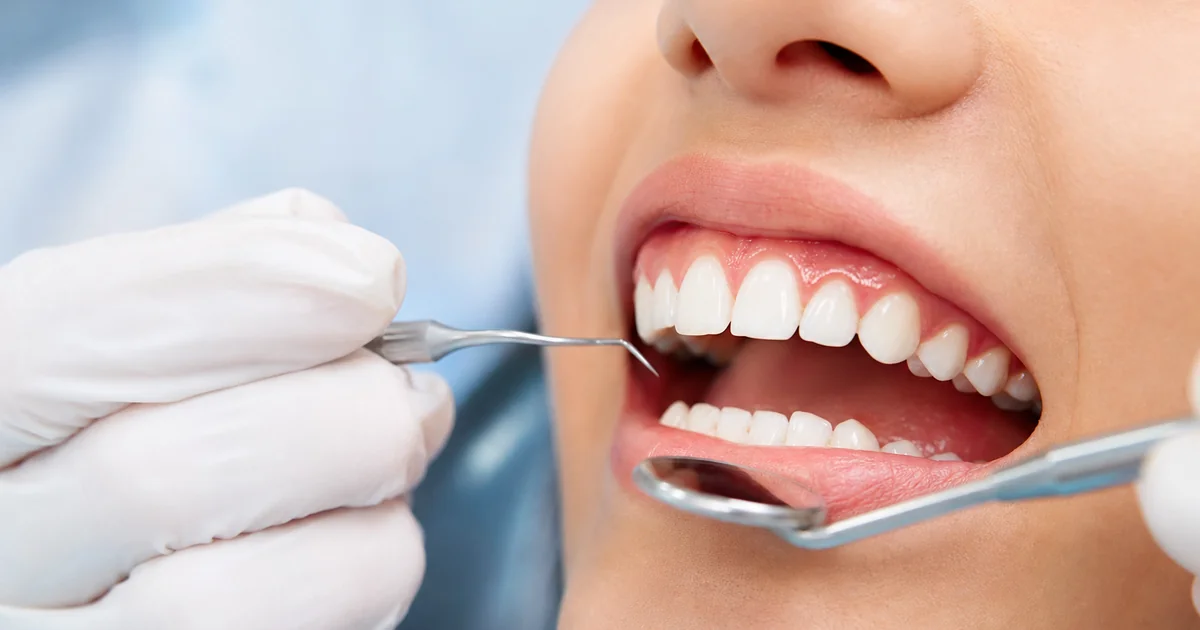
Nicotine pouches like ZYN are not proven to cause oral cancer, but they are not risk-free either. Current research shows no direct link between nicotine pouches and cancer, yet the long-term effects remain unknown since these products have only been widely used for a few years. The FDA recently authorized specific ZYN products for marketing, but this does not mean they are safe. It only means they meet certain regulatory standards for adult smokers seeking alternatives.
Why Everyone Is Suddenly Talking About ZYN and Cancer
Walk into any gas station in 2026 and you will see them. Small white cans promising a smoke-free, spit-free nicotine experience. ZYN has become the product everyone knows someone who uses. But lately, the conversation has shifted from convenience to concern.
The catalyst was a combination of factors. High-profile discussions about nicotine pouches brought them into mainstream awareness. Then health organizations started asking harder questions. The Prevent Cancer Foundation recently highlighted that while nicotine itself is not a known carcinogen, the delivery method matters. When you hold a chemical compound against your gum tissue for hours each day, nobody knows what happens over decades.
Most people assume that because ZYN contains no tobacco, it carries no cancer risk. This is the first misunderstanding. Tobacco contains nitrosamines, which are potent carcinogens. Removing tobacco removes those specific compounds. But the story does not end there.
What Most People Get Wrong About Nicotine and Cancer
The confusion starts with nicotine itself. For decades, nicotine was blamed for cancer because it was so closely associated with cigarettes. But nicotine is not the ingredient that causes cancer in tobacco products. It is the addictive component that keeps people using them.
Here is what actually happens. When you smoke, you inhale combustion byproducts. Those contain dozens of carcinogens. When you use traditional smokeless tobacco like snus or chewing tobacco, you absorb tobacco-specific nitrosamines through your gum tissue. These are proven cancer-causing agents.
ZYN contains neither tobacco nor combustion byproducts. This is why public health experts distinguish between different nicotine products when discussing risk. The question is not whether ZYN is safe. The question is how much less harmful it might be compared to alternatives.
What the Current Research Actually Shows
As of mid-2026, there are no long-term studies tracking oral cancer rates among exclusive ZYN users. The product simply has not existed long enough. What we have are shorter-term studies on biomarkers and biological effects.
Research published in tobacco harm reduction journals has examined whether nicotine pouches cause the same cellular changes associated with oral cancer development. Early findings suggest that while nicotine pouches do cause some gum irritation, they do not produce the same pattern of cellular damage seen with smokeless tobacco.
The FDA's recent marketing authorization for specific ZYN products was based on a review of available evidence. They concluded that these products could help adult smokers reduce harm. But the authorization came with strict marketing restrictions precisely because the long-term safety profile remains uncertain.
The Counterintuitive Truth About Risk Perception
Here is something that surprises most people. The same nicotine pouches that worry health advocates are also being studied as potential harm reduction tools. In Sweden, where snus use has replaced smoking for many people, oral cancer rates are significantly lower than in comparable populations where smoking remains common.
This creates a complicated picture. For a current smoker, switching to nicotine pouches likely reduces cancer risk. For a non-user, starting any nicotine product introduces unknown long-term risks. The same product can be harm reduction for one person and harm introduction for another.
Understanding this risk is frustrating. You want a clear answer. Safe or not safe. But the reality is a spectrum of risk that depends entirely on where you are starting from.
What Happens to Your Mouth When You Use ZYN
To understand cancer risk, you need to understand what ZYN actually does to oral tissues. The pouch sits against your gum, usually in the upper lip area. Nicotine absorbs through the mucous membrane. This causes temporary changes to the tissue.
Users commonly report gum irritation, especially when first starting. The area where the pouch sits may become slightly whitened or irritated. This is called nicotine stomatitis when it becomes chronic. It is reversible if you stop using the product.
Researchers worry that chronic irritation could lead to cellular changes over decades. This is the same concern with any chronic irritation of mucous membranes. The difference is that we have decades of data for smokeless tobacco and only a few years for nicotine pouches.
What Long-Term Users Should Watch For
If you currently use ZYN or are considering quitting, knowing warning signs matters. Oral cancer typically develops slowly and is highly treatable when caught early. The problem is that early signs are easy to dismiss.
Watch for persistent sores that do not heal within two weeks. Notice any lumps or thickened areas in your cheek or gum tissue. Pay attention to white or red patches that do not go away. Difficulty chewing or swallowing, or a feeling that something is caught in your throat, warrants attention.
Regular dental checkups are your best defense. Dentists are trained to spot early signs of oral cancer. If you use any nicotine product, tell your dentist. They can monitor your oral tissues more carefully and catch changes early.
The FDA Authorization: What It Really Means
In early 2026, the FDA authorized specific ZYN products for marketing. This was the first authorization of its kind for nicotine pouches. News coverage made it sound like an endorsement of safety. That is not what happened.
The FDA authorization means that based on current evidence, these specific products may help adult smokers reduce harm by switching from cigarettes. It does not mean the products are safe. It does not mean non-smokers should use them. The authorization came with strict marketing restrictions to prevent youth exposure.
This distinction matters because marketing language often blurs the line. A product authorized as a reduced-harm alternative for smokers is very different from a product deemed safe for general use. The FDA was clear that these products still carry risks.
Why Quitting Remains the Best Choice
If you do not currently use nicotine, starting any product introduces risk without benefit. If you do use nicotine, quitting entirely eliminates the unknown long-term risks that remain even with reduced-harm products.
The challenge is that nicotine is highly addictive. The same properties that make ZYN appealing to smokers trying to quit make it difficult to stop using. Your brain adapts to regular nicotine exposure. When you try to quit, you experience withdrawal symptoms that drive you back to use.
This is where most people struggle. They know they should quit. They have tried before. The withdrawal symptoms, the cravings, the habit patterns all work against them. Willpower alone is rarely enough.
How PouchOut Helps You Quit for Good
The PouchOut app was designed for people who want to quit nicotine pouches. Unlike generic quit-smoking apps, PouchOut understands the unique patterns of pouch use. The discreet nature, the workplace use, the social situations where you reach for a can.
The app tracks your usage patterns and identifies your personal triggers. It sends timed interventions when cravings typically hit. The community feature connects you with others quitting pouches specifically, not cigarettes. This matters because the experience is different.
PouchOut addresses the psychological addiction, not just the physical one. The app helps you rebuild routines that do not revolve around nicotine use. It tracks your progress in meaningful ways, showing you money saved and health improvements, not just days without nicotine.
Download PouchOut and start your quit journey today.
Frequently Asked Questions
Can ZYN cause oral cancer?
Currently, there is no evidence that ZYN directly causes oral cancer. However, long-term studies do not yet exist since the product has only been widely used for a few years. The absence of proof is not proof of safety. Nicotine pouches do cause gum irritation, and chronic irritation of any tissue can potentially lead to cellular changes over time.
Is ZYN safer than cigarettes?
Most public health experts agree that nicotine pouches are likely less harmful than cigarettes. Cigarettes involve combustion, which produces dozens of carcinogens. ZYN contains no tobacco and no combustion byproducts. However, less harmful does not mean safe. For non-smokers, starting any nicotine product introduces unnecessary risk.
What are the early signs of oral cancer from nicotine use?
Early signs include persistent mouth sores that do not heal within two weeks, white or red patches in the mouth, lumps or thickened areas in the cheek or gum tissue, difficulty chewing or swallowing, and persistent sore throat. Regular dental checkups are essential for early detection, as dentists can spot warning signs before they become serious.
How long does it take for gum tissue to heal after quitting ZYN?
Most gum irritation from nicotine pouch use resolves within two to four weeks after quitting. The whitened or irritated areas where pouches were placed typically return to normal color and texture. However, if chronic irritation has caused more significant tissue changes, healing may take longer. A dentist can assess whether any lasting damage has occurred.
Does the FDA authorization mean ZYN is safe?
No. The FDA authorization for specific ZYN products means they may help adult smokers reduce harm by switching from cigarettes. It does not mean the products are safe for general use. The authorization came with strict marketing restrictions to prevent youth exposure and requires ongoing monitoring of real-world usage patterns.
What is the difference between ZYN and smokeless tobacco for cancer risk?
Traditional smokeless tobacco contains tobacco-specific nitrosamines, which are proven carcinogens. ZYN contains no tobacco and therefore no nitrosamines. This distinction is why many researchers believe nicotine pouches likely carry lower cancer risk than smokeless tobacco. However, without long-term studies, this remains an educated assessment rather than proven fact.
Can I reverse damage from using ZYN?
Most reversible effects of ZYN use, such as gum irritation and nicotine stomatitis, heal after quitting. The body has remarkable ability to recover from nicotine exposure once use stops. Blood pressure and heart rate typically normalize within days. Gum tissue heals within weeks. The unknown factor is whether long-term cellular changes could occur after years of use, which is why quitting sooner rather than later is always beneficial.
Related Articles
- Learn about nicotine pouch withdrawal timelines and what to expect when quitting
- Understand the long-term side effects of nicotine pouches
- Read about how to quit ZYN without withdrawal symptoms
- Explore ZYN gum recession and dental health
- Discover why willpower alone doesn't work for quitting nicotine
- Find tips for handling cravings at work
- Learn about urge surfing techniques for managing intense cravings
- Read success stories from people who quit ZYN
The information in this article is for educational purposes and does not constitute medical advice. Consult a healthcare provider for personalized guidance on nicotine cessation and oral health monitoring.