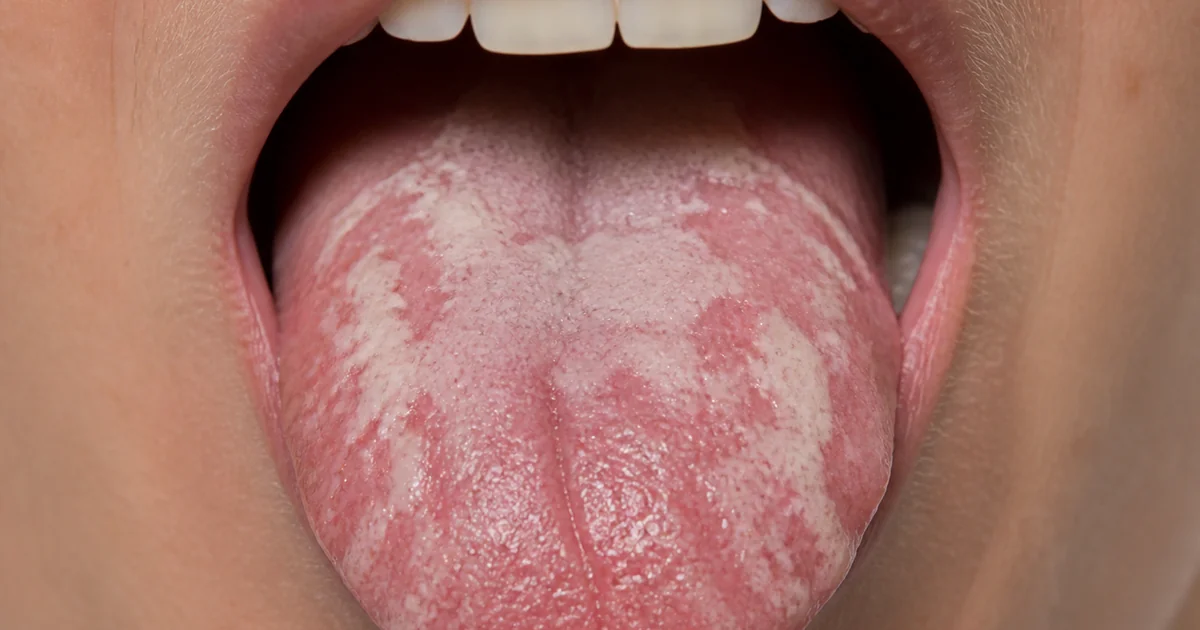
Nicotine pouches disrupt the oral microbiome and can lead to candida overgrowth, causing oral thrush. White patches, soreness, and taste changes may indicate yeast infection rather than simple staining.
What Most People Get Wrong About ZYN and Oral Yeast Infections
Most people see white patches on their tongue and assume it is just residue from the pouch or that they need to drink more water. They brush harder, switch mouthwashes, or carry a water bottle everywhere. They do not realize they might be dealing with an actual fungal infection.
There is also this idea that thrush only happens to babies or people with weak immune systems. That is not true. Anyone can get it when their mouth environment changes, and nicotine definitely changes things.
People treat the symptoms and ignore the cause. They scrape their tongue raw, buy antifungal rinses, or switch from mint to coffee flavor. None of that fixes the root problem, which is what nicotine is doing to the bacteria balance in their mouth.
The Counterintuitive Truth About Quitting and Oral Thrush
Here is the weird part: quitting ZYN can actually make thrush worse for a little while. It seems backwards, but there is a reason.
When you stop using pouches, your saliva comes back and your mouth pH shifts. This rapid change can trigger a brief yeast flare-up while the bacteria in your mouth rebalance. The yeast that was being suppressed by nicotine suddenly has to compete with beneficial bacteria that are coming back.
Think of it like a garden where you stopped using chemicals. Weeds might pop up at first while the healthy plants get reestablished. Your mouth works the same way.
How Nicotine Pouches Affect the Oral Microbiome
pH Disruption
Nicotine is alkaline. It changes the pH in your mouth. Candida loves environments where the normal acidic protective layer has been neutralized. Regular pouch use creates conditions that favor yeast over beneficial bacteria.
Saliva Reduction
Nicotine reduces saliva production. Saliva has enzymes and antibodies that normally keep candida in check. Less saliva means less natural protection against fungal overgrowth.
Tissue Irritation
The physical presence of pouches irritates gum and cheek tissue. This creates small areas of inflammation where yeast can establish itself more easily. Damaged tissue also produces compounds that feed the yeast.
Immune Suppression
Nicotine has local immunosuppressive effects in the mouth. It reduces the activity of immune cells that normally patrol for fungal overgrowth. Your mouth's defense system gets less vigilant.
Sugar and Flavor Additives
Many pouch flavors contain sugars or sugar alcohols that feed oral bacteria and yeast. Even tobacco-free nicotine products often include ingredients that disrupt the bacterial balance in your mouth.
Recognizing Oral Thrush from ZYN Use
Visual Signs
Oral thrush typically appears as white or cream-colored patches on the tongue, inner cheeks, roof of mouth, or gums. Unlike normal tongue coating, these patches often cannot be scraped off without leaving red, bleeding tissue underneath.
Physical Sensations
Users report a cottony feeling in the mouth, loss of taste or altered taste perception, and soreness or burning that worsens when eating spicy or acidic foods. Some describe a persistent bad taste that brushing does not eliminate.
Progression Pattern
Early stage: Slight white coating that seems normal Developing stage: Thicker patches, mild discomfort Established stage: Visible plaques, significant soreness, possible cracking at mouth corners Advanced stage: Difficulty eating, spreading redness, potential secondary bacterial infection
The Emotional Journey of Oral Recovery
Week one without ZYN, you become hyperaware of your mouth. The white coating might actually look thicker as saliva increases and starts washing away accumulated residue. This temporary worsening freaks a lot of people out.
Week two is when the bacterial shift becomes noticeable. Taste starts coming back. The cottony feeling fades. Some people get brief increased sensitivity as nerve function normalizes.
Week three shows clearer signs of healing. The white patches thin out. Morning breath gets better. Your mouth feels fresher even before you brush. These improvements make you glad you quit.
Month one establishes a new baseline. The yeast overgrowth has resolved. Your tongue looks pink and healthy. Taste is fully back. Your mouth feels better than it did when you were using pouches.
What Ex-Users Notice About Their Oral Health
People who quit nicotine pouches report the same oral improvements in a predictable order.
Taste comes back first. Food flavors get more vivid. Coffee tastes richer. Spices have more depth. People are often surprised because they did not realize how dull their taste had become.
Morning breath gets way better. That persistent stale taste that made you brush immediately fades. Waking up with a fresher mouth becomes normal.
Your tongue looks normal again. The white or gray coating thins and disappears. Your tongue returns to a healthy pink color with visible taste buds.
Your gums get healthier. Bleeding during brushing stops. Gum color improves from irritated red to healthy pink. That tight, dry feeling around your upper lip disappears.
Your mouth just feels better. That subtle background irritation you stopped noticing goes away. Your mouth feels comfortable instead of constantly needing stimulation.
Distinguishing Normal Coating from Thrush
Not all white tongue is thrush. Understanding the difference helps you respond appropriately.
Normal coating: Thin, evenly distributed, scrapes off easily with a tongue cleaner, reveals pink healthy tissue underneath, no pain or soreness.
Thrush patches: Thick, patchy or clustered distribution, difficult to scrape off, leaves red irritated surface when removed, associated with burning or soreness.
Nicotine staining: Yellowish or brownish tint, more prominent where pouches sit, improves with brushing but returns quickly with continued use.
Dehydration coating: Thin white layer, improves with water intake, no pain or discomfort, temporary and situational.
Timeline for Oral Recovery After Quitting ZYN
Understanding the timeline helps you get through the rough early days without panicking about temporary symptom flares.
Days 1-7: Saliva increases, which may temporarily make coating look thicker. Taste might seem duller at first as nerve sensitivity adjusts. Some people report being hyperaware of their mouth.
Weeks 2-3: Bacteria rebalance. Yeast overgrowth peaks briefly then declines. White patches start thinning. Taste improves noticeably.
Month 1: Oral health normalizes. Thrush symptoms resolve. Your mouth feels healthier than when you were using. Taste is fully back.
Months 2-3: Full recovery. Any remaining issues are unrelated to nicotine and should be checked separately.
Related Articles
- ZYN White Tongue: Causes and Solutions
- ZYN Gum Health: What Dentists Want You to Know
- ZYN Dry Mouth: Oral Health Effects
- ZYN Canker Sores and Mouth Ulcers
Frequently Asked Questions
Can ZYN cause oral thrush?
Yes. Nicotine disrupts the oral microbiome, reduces saliva, and changes mouth pH in ways that allow candida yeast to overgrow. While not everyone who uses ZYN develops thrush, the risk is significantly higher than in non-users.
How do I know if I have oral thrush or just normal tongue coating?
Thrush typically appears as thick white patches that are difficult to scrape off and leave red irritated tissue underneath when removed. Normal coating is thin, scrapes off easily, and reveals healthy pink tissue. Thrush also causes burning, soreness, or altered taste.
Will oral thrush go away if I quit ZYN?
In most cases, yes. Once nicotine exposure stops, saliva production normalizes and the oral microbiome rebalances. This usually resolves candida overgrowth within 2-4 weeks. Severe cases may require antifungal treatment during the quitting period.
Why does my mouth seem worse after quitting ZYN?
Temporary symptom flares are common during the first week. As saliva increases and pH shifts, the microbial community undergoes rapid change. This can briefly worsen thrush symptoms before improvement begins. The trend should be positive by week two.
Can I treat oral thrush while still using ZYN?
Antifungal treatments can provide temporary relief, but the thrush will likely return while nicotine use continues. The most effective long-term solution is reducing or eliminating nicotine pouch use to allow the oral microbiome to restore itself.
Ready to restore your oral health? Download PouchOut and start your journey to a healthier mouth today.