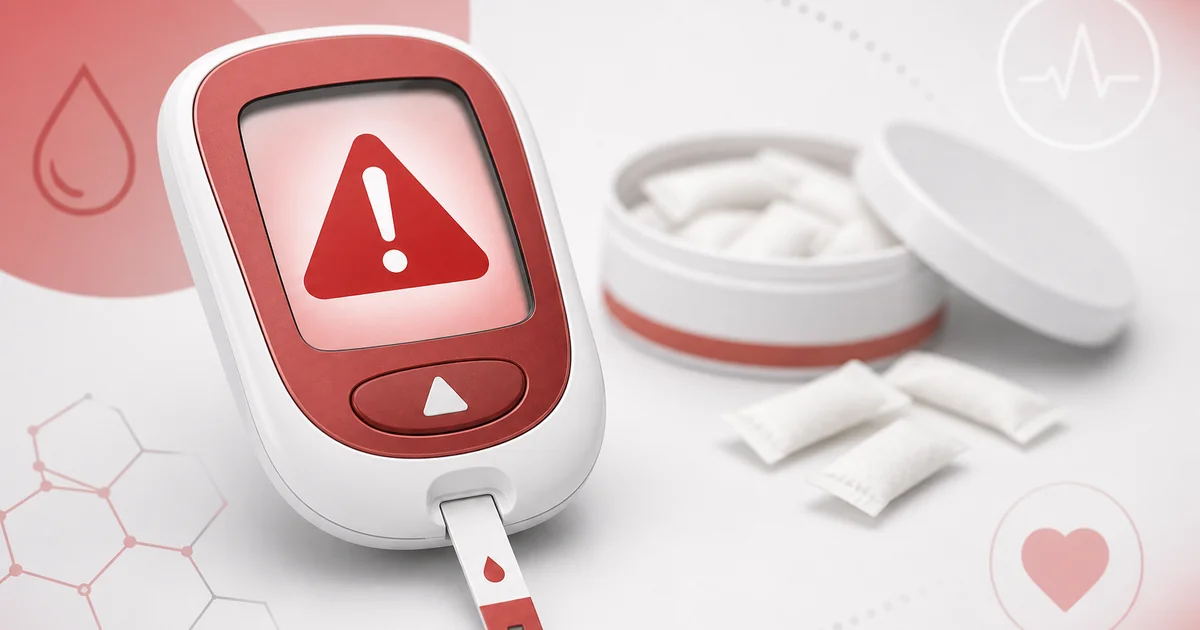
Most people who switch to ZYN think they are dodging the health bullet. They are not wrong about lung cancer. But blood sugar? That is a different story. Research from 2025 and 2026 shows nicotine, in any form, messes with glucose metabolism. The effects start showing up within an hour. Most users have no idea this is happening.
What the Research Actually Shows
A study from September 2025 tracked thousands of snus users and found higher type 2 diabetes rates. The culprit appears to be nicotine itself and what it does to insulin resistance. The research landed in the Journal of Internal Medicine, adding solid data to a pattern researchers had suspected for years.
Here is the disconnect. People switch from cigarettes to ZYN thinking they are trading down on risk. They are, but only for certain cancers and lung disease. The nicotine is still there. And nicotine has metabolic effects that barely anyone talks about.
How Nicotine Raises Blood Sugar
Nicotine kicks your adrenal system into gear. Adrenaline and cortisol flood your bloodstream. Your liver responds by dumping glucose. At the same time, your cells start ignoring insulin. You need more of it to process the same amount of sugar.
A February 2026 study from Vinmec Medical System found that smoking can impair insulin function within one hour. Pouches work the same way. Pop a ZYN and your body goes into stress mode. Blood glucose rises. Cells stop listening to insulin.
Here is what happens: nicotine hits your blood, stress hormones spike, your liver releases glucose, your cells resist the insulin signal, and your blood sugar stays high longer than it should.
The Insulin Resistance Connection
Insulin resistance creeps up on you. Your cells stop responding to insulin properly. Your pancreas pumps out more to compensate. Keep this up long enough and you can wear out the cells that produce insulin. That is when type 2 diabetes shows up.
A February 2026 study in Tobacco Induced Diseases looked specifically at insulin resistance and nicotine dependence. They found clear links between nicotine use and markers of insulin problems.
This is not just theory. Sweden has decades of data on snus users. Long-term users have higher diabetes rates than non-users, even when you account for everything else.
Why This Surprises People
Everyone knows nicotine is addictive. Far fewer know it screws with your metabolism. The marketing talks about reduced harm compared to smoking. That is true for lung cancer and breathing problems. Metabolic health got left out of the conversation.
Dr. Farrah analyzed the research in September 2025. Her summary: nicotine in all its forms seems to push insulin resistance, mess with glucose metabolism, and nudge people toward type 2 diabetes.
The FDA's modified risk authorization in June 2026 did not even look at metabolic effects. The approved claims cover mouth cancer, heart disease, lung cancer, stroke, emphysema, and chronic bronchitis. Blood sugar and diabetes never made the list.
What Happens When You Quit
Here is the good part. Nicotine's metabolic effects reverse when you quit. Within days, insulin sensitivity starts climbing back. Stress hormones settle down. Blood sugar gets easier to manage.
I talked to someone who quit ZYN after three years. His afternoon energy crashes vanished within two weeks. He had blamed work stress and bad sleep. His glucose monitor said otherwise. His fasting blood sugar dropped fifteen points that first month.
Your mileage may vary. Genetics, diet, exercise, and how long you used nicotine all play a role. But the trend is clear: drop the nicotine and your metabolism tends to recover.
Who Should Be Most Concerned
If diabetes runs in your family, or you already have prediabetes or metabolic syndrome, nicotine pouches stack extra risk on top. Same if you carry extra weight, especially around your middle.
People managing diabetes already have their hands full. Nicotine makes blood sugar harder to control. You might need more insulin or extra medications. The T1D Wave Rider blog reported in February 2026 that nicotine raises blood sugar and insulin resistance in type 1 diabetics too, no matter how you get it.
Even if your metabolism is solid right now, long-term nicotine use can speed up the natural loss of insulin sensitivity that comes with getting older.
The Vaping Comparison
The Indian Express reported in September 2025 that vaping and nicotine pouches trigger blood sugar spikes just as hard as smoking. So much for smoke-free being consequence-free.
Nicotine is the common thread. Cigarettes, vapes, pouches, they all hit the same stress pathways and metabolic responses. The delivery method changes your lung cancer odds. It does nothing to protect your pancreas, liver, or cells from what nicotine does.
Practical Implications for Users
If you use ZYN and wonder about your blood sugar, get a fasting glucose test or HbA1c measurement. Know where you stand.
Pay attention to how you feel after using pouches. Shakiness, irritability, intense hunger, these can signal blood sugar swings. People blame caffeine or stress. Often it is the nicotine.
If you are quitting, metabolic changes happen faster than you might expect. You do not need to wait months. Many people feel more stable energy and fewer sweet cravings within the first few weeks.
What PouchOut Does Differently
Most quit apps treat nicotine like it is all in your head. Cravings, triggers, willpower. PouchOut looks at the metabolic side too.
The app tracks when you use pouches and connects it to your energy, sleep, and mood. Users often find their worst cravings hit when their blood sugar drops. Spot that pattern and you can grab a snack or take a walk instead of another pouch.
The step-down program cuts back gradually. This matters because quitting cold turkey shocks your metabolism. Your body handles the change better when it happens slowly.
Download PouchOut to start tracking your quit journey and understand how nicotine affects your body beyond the addiction itself.
FAQ
Does ZYN raise blood sugar immediately? Nicotine can affect blood sugar within an hour of use by triggering stress hormone release and reducing insulin sensitivity.
Is ZYN safer than cigarettes for diabetics? ZYN eliminates combustion toxins but still delivers nicotine, which raises blood sugar and increases insulin resistance. Neither is ideal for blood sugar management.
Will quitting ZYN lower my blood sugar? Most people see improvements in insulin sensitivity and blood sugar stability within days to weeks of quitting nicotine.
Can nicotine pouches cause diabetes? Research shows nicotine use correlates with higher type 2 diabetes risk, likely through insulin resistance mechanisms.
How does nicotine affect insulin? Nicotine reduces insulin sensitivity, meaning cells respond less effectively to insulin's signal to absorb glucose from the bloodstream.
Are sugar-free nicotine pouches better for blood sugar? While sugar-free pouches avoid added sugar, the nicotine itself affects blood sugar regulation through hormonal pathways.
What are the symptoms of nicotine-related blood sugar issues? Shakiness, irritability, intense hunger, energy crashes, and difficulty concentrating can indicate blood sugar fluctuations triggered by nicotine.
Does the nicotine strength matter for blood sugar? Higher nicotine doses generally produce stronger hormonal responses, but even low-strength pouches can affect glucose metabolism.
Can I reverse insulin resistance from nicotine? Yes, insulin sensitivity typically improves after quitting nicotine, though the timeline varies by individual.
Should I get tested if I use ZYN? If you have risk factors for diabetes or notice symptoms of blood sugar instability, consider getting fasting glucose and HbA1c tests.