You walk into the living room and your toddler is sitting on the floor with something in their mouth. It takes a second to register what you are seeing: a round metal tin, the lid off, small white pouches scattered on the carpet. Your heart drops. You rush over, pull the pouch from their mouth, but you cannot be sure if they swallowed anything. Your hands are shaking as you grab your phone to search for what to do next.
If a child swallows a nicotine pouch, call Poison Control immediately at 1-800-222-1222. Do not wait to see if symptoms develop. Nicotine is toxic to children in small amounts, and pouches contain concentrated doses that can cause serious harm. Have the packaging ready when you call so the specialist knows the exact strength and ingredients.
The Numbers Parents Need to See
A study published in Pediatrics, the journal of the American Academy of Pediatrics, analyzed 134,663 cases of children under six ingesting nicotine products reported to US poison centers between 2010 and 2023. The data reveals a disturbing trend that every parent who keeps nicotine pouches at home should understand.
Pouch-specific poisoning in children under six rose over 760% from 2020 to 2023, climbing from 0.48 to 4.14 cases per 100,000 population. This spike coincides with the rapid growth of nicotine pouch popularity in the United States. The products became more visible, more accessible, and more dangerous for curious young children.
Seventy-six percent of cases involved children under age two. This age group is especially vulnerable because they explore the world by putting objects in their mouths, they lack the cognitive ability to recognize danger, and their small body size means even tiny amounts of nicotine can cause significant toxicity.
The study found that 1.2% of cases had serious outcomes, including seizures and respiratory failure. While this percentage may seem small, it represents real children who experienced life-threatening emergencies because they found a nicotine product within reach.
Two deaths occurred in the broader dataset, both in children under age two. Both deaths were caused by liquid nicotine products, not pouches. This distinction matters: liquid nicotine is more rapidly absorbed and more concentrated than pouches. However, the fact that nicotine products can be fatal to young children underscores why immediate action is essential when ingestion occurs.
Dr. Natalie Rine, co-author of the study and affiliated with Nationwide Children's Hospital and the Central Ohio Poison Center, noted that pouches are particularly dangerous for children because they are high-concentration, taste good, and have nothing signaling a child to spit them out. Unlike bitter medications or harsh cleaning products, nicotine pouches often have sweet or minty flavors that do not trigger an automatic rejection response.
Why Children Are Especially Vulnerable
Children face unique risks from nicotine ingestion that adults do not. Understanding these vulnerabilities helps explain why even a single pouch can be dangerous.
Small body size means higher relative dose. A 6mg ZYN pouch contains the same amount of nicotine whether an adult or a 20-pound toddler encounters it. For the adult, this is a mild to moderate dose. For the toddler, it represents a much higher milligram-per-kilogram exposure that can overwhelm their developing system.
Rapid absorption occurs in children. Nicotine absorbs quickly through mucous membranes. A child who holds a pouch in their mouth, sucks on it, or bites into it can absorb significant nicotine even without swallowing. If they do swallow it, gastric absorption adds to the total dose.
Children cannot communicate symptoms effectively. A toddler cannot tell you they feel nauseous or that their heart is racing. Parents must watch for behavioral and physical signs, which makes recognition harder and delays treatment.
The appealing packaging creates false safety. Bright colors, familiar can shapes, and candy-like flavors make nicotine pouches look like food or candy to a child. The products are designed for adult appeal but inadvertently attract young children.
What to Do Immediately
If you suspect your child has swallowed or chewed a nicotine pouch, take these steps without delay.
Call Poison Control at 1-800-222-1222. This is the first and most important action. Poison Control specialists are available 24 hours a day, seven days a week. They will ask about your child's age, weight, what product was involved, how much was ingested, and when it happened. They will guide you through the next steps based on the specific situation.
Have the packaging ready. The specialist needs to know the exact product, nicotine strength, and ingredients. Different brands and strengths pose different risks. If you do not have the original packaging, check for any remaining pouches or cans that might identify the product.
Do not induce vomiting unless specifically instructed. Vomiting can cause additional problems, including aspiration into the lungs. Wait for guidance from Poison Control or emergency medical personnel before attempting to make your child vomit.
Watch for symptoms while you wait for guidance. Even if your child seems fine initially, symptoms can develop over time. Stay with them, keep them calm, and monitor closely. Have your phone ready to call back if symptoms appear or worsen.
Go to the emergency department if advised. Poison Control may recommend immediate emergency care depending on the amount ingested, your child's age and weight, and any symptoms that develop. If in doubt, seek emergency care. It is better to be evaluated and cleared than to wait until symptoms become severe.
Symptoms to Watch For
Nicotine poisoning symptoms can appear within minutes to hours after ingestion. Know what to look for so you can act quickly if they develop.
Nausea and vomiting are common early signs. Nicotine stimulates the chemoreceptor trigger zone in the brain, which causes nausea. Vomiting may follow as the body attempts to expel the toxin. In children, repeated vomiting can lead to dehydration quickly.
Excessive drooling or salivation occurs as the body responds to the irritant. You may notice your child drooling more than usual or having trouble swallowing their own saliva.
Rapid heart rate, or tachycardia, is a hallmark of nicotine toxicity. Nicotine stimulates the sympathetic nervous system, causing the heart to beat faster. In young children, this can be dangerous because their cardiovascular systems are still developing.
Drowsiness or agitation can both occur. Some children become unusually sleepy or lethargic. Others become restless, agitated, or inconsolable. Either change in behavior is concerning.
Pale or flushed skin may develop. Nicotine affects blood vessels and circulation, which can cause visible changes in skin color. Watch for unusual paleness or redness.
Tremors or seizures indicate severe toxicity. Muscle trembling, jerking movements, or full seizures require immediate emergency care. These symptoms suggest significant neurological involvement.
Difficulty breathing or respiratory distress is a medical emergency. If your child is breathing rapidly, struggling to breathe, or showing blue discoloration around the lips, call emergency services immediately.
The Hidden Risk in Your Home
Many parents do not realize the danger sitting in their drawers, pockets, or bags. Nicotine pouches are small, discrete, and easy to forget about. This creates hidden risks that parents need to address.
Leftover quit-attempt stock poses a particular hazard. If you tried to quit nicotine pouches and have old cans stashed in a drawer, those forgotten products become a danger if a child finds them. Parents who quit may not think about securing products they no longer use, but children do not know the difference between current and abandoned supplies.
Guest belongings create temporary risks. Visitors who use nicotine pouches may leave their supplies in coat pockets, bags, or on nightstands when staying overnight. A child exploring an unfamiliar bag can find a pouch in seconds.
Car storage is another common oversight. Many people keep nicotine pouches in glove compartments, center consoles, or door pockets. Children left briefly in cars, or exploring while parents load groceries, can access these storage areas.
Bathroom counters and medicine cabinets seem like safe places, but curious toddlers can reach more than parents expect. A can left on the counter while someone brushes their teeth, or stored in a low cabinet, is within reach of determined small hands.
Prevention That Actually Works
The only way to eliminate the risk of childhood nicotine poisoning is to keep products completely inaccessible. Half-measures fail because children are persistent and creative.
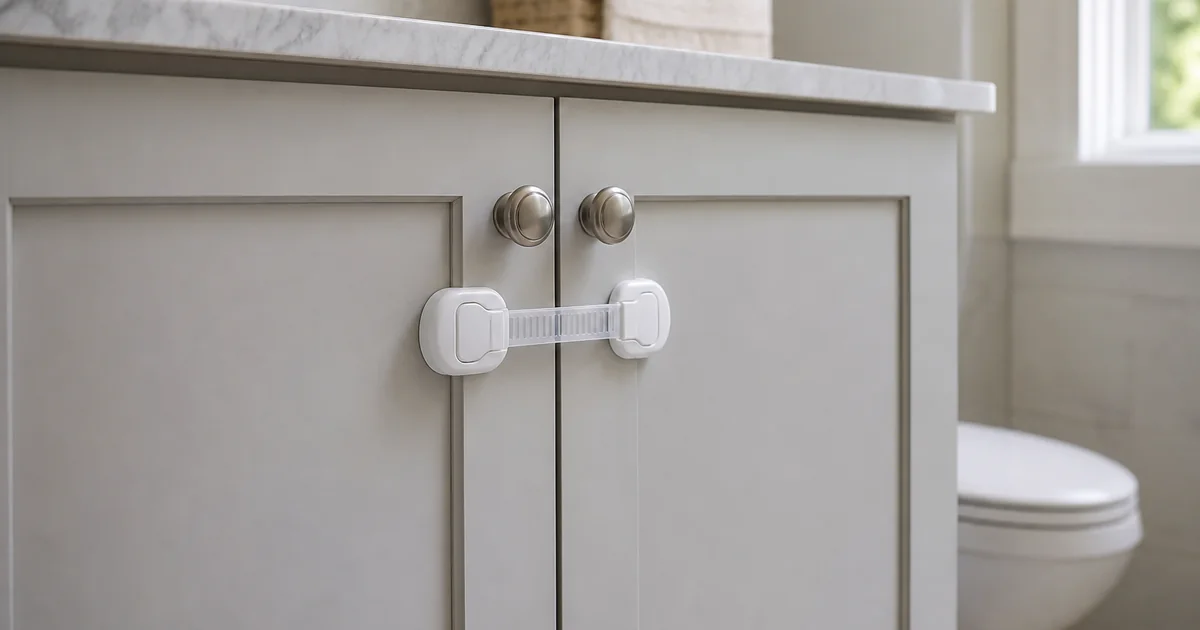
Use genuinely inaccessible storage. High cabinets with childproof locks, locked drawers, or locked storage boxes are necessary. Do not rely on high shelves alone; children climb. Do not rely on closed drawers; children open them. Use actual locks.
Dispose of used pouches immediately. A used pouch thrown in a trash can is still accessible to a child. Use a sealed container, a diaper pail with a locking lid, or take used pouches directly to an outdoor trash bin.
Clear out leftover quit-attempt stock. If you have old nicotine pouches from previous quit attempts, dispose of them properly. Do not keep them "just in case." The risk to children outweighs any potential future use. For guidance on identifying old products, see our post on ZYN expiration and shelf life.
Educate everyone in the household. Make sure partners, older children, babysitters, and regular visitors understand the danger and follow the same storage rules. One person leaving a can on a coffee table creates risk for everyone.
Check bags and belongings. When guests visit, ask them to store nicotine products in a designated locked location. When you visit others, check that your child's environment is safe before letting them explore.
When You Are Ready to Quit
If you are a parent who uses nicotine pouches, this information may prompt you to reconsider your use. The risk to your children is real, and it persists as long as the products are in your home.
Quitting removes the hazard entirely. No product in the house means no risk of accidental ingestion. For parents who have struggled to quit, the safety of their children can be a powerful motivation.
Understanding your own usage patterns is a starting point. If you are unsure whether your current level of use is problematic, our guide on how much ZYN is too much can help you assess where you stand.
Structured support improves success rates. Quitting nicotine pouches is difficult, especially if you have developed dependency. A program designed specifically for pouch users can provide strategies, tracking tools, and accountability that increase your chances of success.
FAQ
What should I do if my child swallowed a ZYN pouch?
Call Poison Control immediately at 1-800-222-1222. Do not wait for symptoms to develop. Have the packaging ready so the specialist knows the exact product and strength. Follow their guidance and seek emergency care if advised.
How much nicotine is dangerous for a child?
Even small amounts of nicotine can be toxic to young children due to their small body size. A single 6mg pouch contains enough nicotine to cause serious symptoms in a toddler. There is no safe threshold; any ingestion requires professional guidance.
What are the symptoms of nicotine poisoning in children?
Watch for nausea, vomiting, excessive drooling, rapid heart rate, drowsiness or agitation, pale or flushed skin, tremors, and difficulty breathing. Symptoms can develop within minutes to hours after ingestion.
Should I make my child vomit if they swallowed a nicotine pouch?
No. Do not induce vomiting unless specifically instructed by Poison Control or emergency medical personnel. Vomiting can cause additional complications including aspiration into the lungs.
Are nicotine pouches more dangerous than cigarettes for children?
Both are dangerous, but pouches present unique risks. They are small, flavored, and lack the harsh taste that might cause a child to spit out a cigarette. The concentrated nicotine dose in a small package makes pouches particularly hazardous for accidental ingestion.
How can I prevent my child from accessing nicotine pouches?
Store products in locked, high cabinets or locked storage boxes. Dispose of used pouches in sealed containers. Clear out any old or leftover products. Educate all household members and visitors about safe storage. Never leave pouches in accessible locations, even briefly.
What if I find my child with an open can but do not know if they swallowed anything?
Call Poison Control at 1-800-222-1222 and explain the situation. They will help you assess the risk based on what you know and guide you on next steps. It is better to call and be reassured than to wait and miss a window for treatment.
The Bottom Line
If you find your child with a nicotine pouch, the time to act is now. Call Poison Control at 1-800-222-1222 immediately. Do not try to assess the severity yourself. Do not wait to see if symptoms develop. The specialists at Poison Control have the training and information to guide you through the specific situation your child faces.
The data from the Pediatrics study is clear: nicotine pouch poisoning in young children is rising rapidly, and the consequences can be severe. Prevention through genuinely secure storage is essential. If you are a parent who uses nicotine pouches, consider whether quitting is the right choice for your family's safety.
For those ready to quit, download PouchOut for structured support, progress tracking, and a proven path to becoming nicotine-free. Removing the product from your home removes the risk. That is the only way to guarantee your child stays safe.
This post is for informational purposes and does not constitute medical advice. If your child has ingested a nicotine product, contact Poison Control immediately at 1-800-222-1222 or call emergency services for severe symptoms.