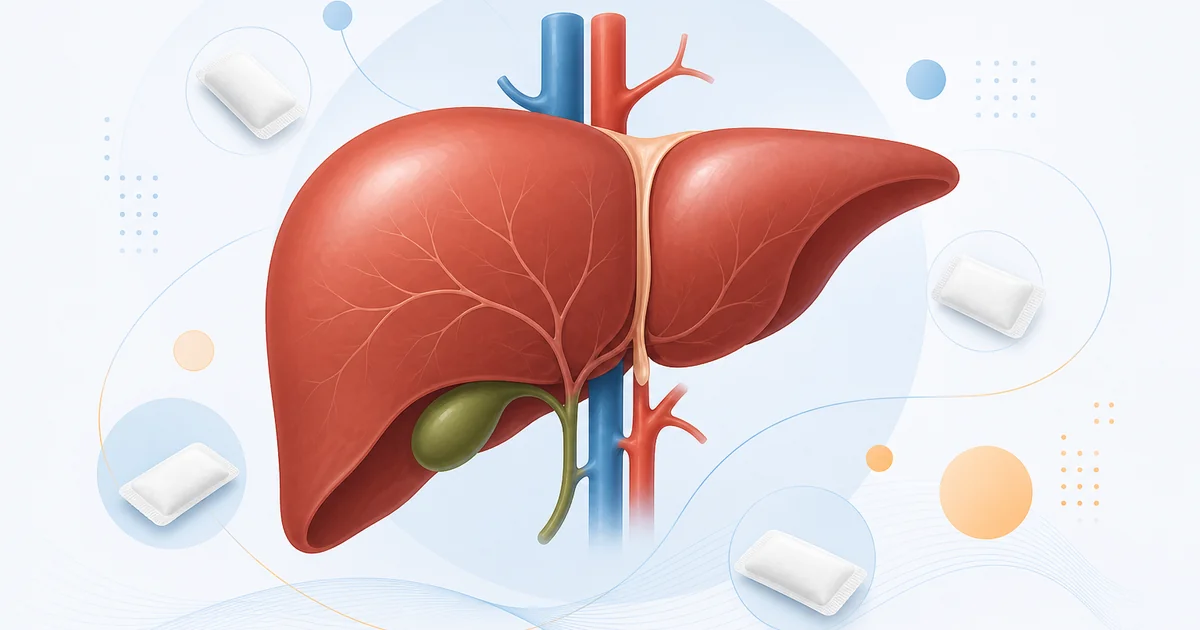
Nicotine pouches like ZYN deliver nicotine without smoke, but your liver still has to process every milligram you absorb. Some users report elevated liver enzymes after starting regular use, which raises real questions about what these products do to hepatic function over time.
This article explains how nicotine interacts with liver enzymes, what ALT and AST levels actually tell you, and whether stopping pouch use can help your liver recover.
How Nicotine Reaches Your Liver
When you place a nicotine pouch between your gum and lip, the nicotine absorbs through the oral mucosa directly into your bloodstream. From there, it travels to your liver within minutes. Your liver handles nicotine metabolism through a specific pathway involving cytochrome P450 enzymes, particularly CYP2A6.
Your liver breaks nicotine into cotinine, the main metabolite that shows up on drug tests. This process creates oxidative stress. The more nicotine your liver processes, the more work it has to do. Occasional users face negligible impact. People using multiple pouches daily for months or years experience a more significant cumulative effect.
What Liver Enzymes Actually Measure
Blood tests for liver function typically measure alanine transaminase (ALT) and aspartate transaminase (AST). These enzymes live inside liver cells. When liver cells become irritated or damaged, they leak these enzymes into your bloodstream. Higher numbers mean more cellular stress, though not necessarily permanent damage.
Normal ALT ranges from 7 to 56 units per liter for most adults. AST typically runs between 10 and 40 units per liter. Slight elevations above these ranges often cause alarm, but context matters. Exercise, alcohol, certain medications, and yes, nicotine can all push these numbers higher without indicating serious disease.
The Connection Between Nicotine and Elevated Enzymes
Nicotine itself is not classified as hepatotoxic in the same way alcohol or acetaminophen are. However, nicotine metabolism does increase oxidative stress in liver tissue. This stress can irritate liver cells enough to cause mild enzyme elevation, particularly in people who are already using their liver heavily with alcohol, processed foods, or other medications.
Elevated liver enzymes are sometimes discussed anecdotally among nicotine pouch users online, though this is not verified clinical data.
The mechanism likely involves several factors working together. Nicotine increases blood flow to the liver, which changes how it processes other substances. The oxidative byproducts of nicotine metabolism may trigger mild inflammation. Some users also experience appetite suppression from nicotine, which can lead to irregular eating patterns that stress the liver further.
Fatty Liver and Nicotine: The Less Obvious Risk
Non-alcoholic fatty liver disease affects roughly one in four adults globally. Nicotine appears to worsen insulin resistance, which is a primary driver of fatty liver accumulation. While smoking carries a clearer association with fatty liver progression, nicotine itself seems to play a role independent of the other toxins in cigarette smoke.
For ZYN users who already have risk factors for fatty liver, such as excess body weight, high sugar intake, or sedentary habits, adding nicotine pouches may compound the problem. The liver can handle only so much metabolic stress before function starts to decline. This does not mean pouches cause fatty liver in healthy people, but they may accelerate problems that are already developing.
What Happens When You Quit
The encouraging news is that liver enzyme elevations from nicotine often reverse after you quit. The liver has remarkable regenerative capacity. Remove the ongoing stress, and liver cells typically recover within weeks to months. Users who have quit ZYN and retested their liver panels often report numbers returning to baseline ranges within three to six months.
This recovery is not automatic for everyone. If years of pouch use coincided with other liver stressors like heavy drinking or poor diet, some damage may persist. But in otherwise healthy people who quit nicotine and maintain moderate habits, liver function tests usually normalize.
Reading Your Lab Results Correctly
If you are concerned about liver health, get a comprehensive metabolic panel that includes ALT, AST, alkaline phosphatase, and bilirubin. Ask your doctor about a fibrosis assessment if you have been using nicotine products heavily for years. Simple blood tests like the FIB-4 score can estimate liver scarring without invasive procedures.
Do not panic over slight elevations. ALT and AST fluctuate based on recent exercise, illness, and even hydration status. What matters is the trend over time and whether other markers like bilirubin or albumin are also abnormal. A single mildly elevated reading usually means retesting in a few months rather than immediate intervention.
Harm Reduction vs. Complete Cessation
Some users consider switching from cigarettes to pouches as harm reduction for their lungs, which is valid. However, this framing can obscure the fact that nicotine still stresses your cardiovascular system, your liver, and your brain chemistry. Pouches are less harmful than smoking for lung health specifically, but they are not neutral for your overall metabolic health.
If your liver enzymes are elevated and you use nicotine pouches daily, quitting entirely is the most reliable way to remove that variable. Cutting back may help, but the oxidative stress from nicotine metabolism occurs with any dose. Quitting completely gives your liver the clearest signal to recover.
Practical Steps for Liver Health While Quitting
Supporting your liver during nicotine cessation involves more than just stopping pouches. Stay well-hydrated to help your kidneys and liver process the metabolic byproducts of nicotine leaving your system. Eat adequate protein, as amino acids provide the building blocks for liver cell repair. Limit alcohol completely during the first few months of quitting, since your liver will already be working hard.
Consider adding foods that support phase one and phase two detoxification pathways. Cruciferous vegetables like broccoli and Brussels sprouts contain compounds that boost liver enzymes responsible for processing toxins. Coffee, in moderation, has protective effects on liver tissue and may help reduce inflammation markers.
When to See a Doctor
Persistent elevations in liver enzymes warrant medical evaluation, especially if accompanied by symptoms like fatigue, abdominal discomfort, or jaundice. Your doctor may order imaging to check for fatty liver or other structural changes. Do not assume nicotine is the only cause, but mention your pouch use as part of your complete health picture.
If you have been using high-strength nicotine pouches for years and are planning to quit, consider getting baseline liver function tests before you stop, then retesting three to six months after you quit. This gives you concrete data on whether your liver recovers, which can be motivating during difficult withdrawal periods.
Related Health Effects
Understanding how ZYN affects your body means looking at the full picture. Nicotine's impact extends beyond just the liver. For example, many users report changes in kidney function and urinary patterns, which you can read about in our guide to ZYN and kidney health. The cardiovascular system also takes a hit from regular nicotine use, affecting blood pressure and heart rate as detailed in our article on ZYN and cardiovascular health. Additionally, appetite changes during quitting can lead to weight concerns, which we cover in our guide to quitting ZYN without gaining weight.
FAQ
Can ZYN cause permanent liver damage?
Permanent damage is unlikely from nicotine pouches alone in otherwise healthy people. The liver typically recovers after you quit. However, long-term use combined with other risk factors like alcohol or obesity may contribute to lasting changes.
How long after quitting ZYN do liver enzymes return to normal?
Most users see improvement within one to three months, with full normalization often occurring by six months. Individual recovery depends on overall health, diet, alcohol consumption, and genetic factors that affect how you process nicotine.
Is nicotine worse for the liver than alcohol?
Alcohol is significantly more toxic to the liver than nicotine. However, the two together create more stress than either alone. If you drink regularly, adding nicotine pouches compounds the metabolic burden on your liver.
Do all nicotine pouch users have elevated liver enzymes?
No. Many users maintain normal liver function tests despite regular use. Enzyme elevation appears more common in heavy users, those with pre-existing liver conditions, or people with genetic variations that affect nicotine metabolism.
Should I get my liver tested if I use ZYN?
If you use nicotine pouches daily, especially high-strength varieties, periodic liver function testing is reasonable. Discuss appropriate screening intervals with your doctor based on your overall health profile.
Can liver supplements help if I continue using ZYN?
Supplements like milk thistle have modest evidence for liver support, but they do not counteract the ongoing stress of nicotine metabolism. The most effective approach is reducing or eliminating nicotine exposure.
Conclusion
Your liver processes every milligram of nicotine you absorb from pouches. While ZYN and similar products spare your lungs from smoke, they still create metabolic work for your liver. Elevated liver enzymes in some users suggest that "tobacco-free" does not mean "metabolism-free."
If you are concerned about liver health, quitting nicotine pouches is the most direct way to reduce that specific stressor. The liver's capacity for recovery means that damage is rarely permanent, but only if you give it the chance to heal. Track your lab results, support your body with proper nutrition, and consider using an app like PouchOut to structure your quit journey.
This article is for informational purposes and does not constitute medical advice. Consult a healthcare provider for personalized guidance on liver health and nicotine cessation.