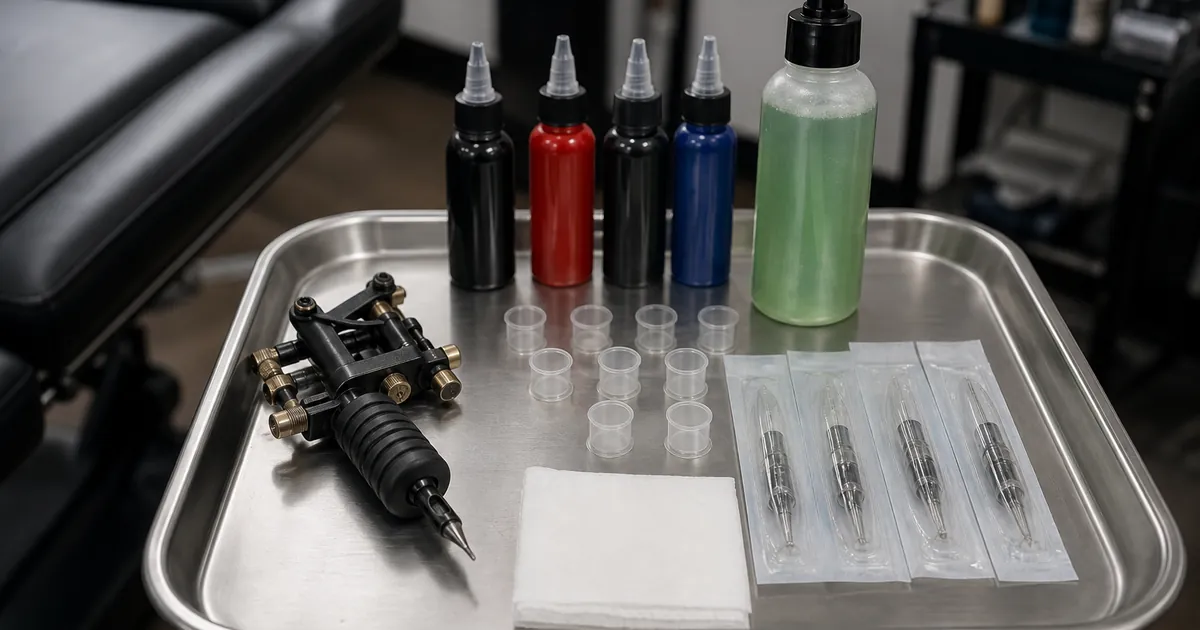
Switching from cigarettes to ZYN during a tattoo session feels like the responsible choice. No smoke, no smell, no stepping outside every hour. You sit still, the artist keeps their rhythm, and you tell yourself you have done something good for your new ink. But the problem was never the smoke. The problem is nicotine, and nicotine pouches deliver exactly the same compound that narrows your blood vessels and reduces the oxygen-rich blood flow your skin needs to heal.
The Responsible Choice That Misses the Point
Picture someone in the tattoo chair. They have wanted this piece for months. The stencil is on, the needle is buzzing, and after twenty minutes the craving hits. Normally they would step outside, smoke, come back smelling like an ashtray, and force the artist to stop mid-line. This time they reach for a ZYN pouch instead. No break, no smell, no social awkwardness. They feel like they solved the problem.
They solved the session-disruption problem. They did not solve the healing problem. These are two separate issues that get conflated because both involve nicotine, and the switch from cigarettes to pouches feels like progress. It is progress in one direction only: convenience during the session itself.
Why Nicotine, Not Smoke, Is the Mechanism That Matters
Nicotine causes vasoconstriction. This means it narrows blood vessels and reduces the flow of oxygen-rich blood to tissue, including skin. This is not a property of cigarette smoke. It is a property of nicotine itself, delivered through any method: cigarettes, vaping, patches, or pouches.
Oxygen-rich blood flow is essential for skin to repair itself and regenerate new cells during wound healing. When blood vessels constrict, less oxygen and fewer nutrients reach the damaged tissue. The body still tries to heal, but the process moves more slowly because the delivery system is restricted.
Tattoos are, physiologically, an open wound during the healing period. The needle creates thousands of tiny punctures in the dermis, depositing ink while breaking skin integrity. From the moment the session ends, your body treats that area the same way it would treat any other wound: it sends blood, immune cells, and repair mechanisms to the site. Anything that impairs circulation can slow healing generally.
Nicotine use is commonly associated with slower or poorer wound healing across various contexts, including surgical and dental recovery. The mechanism is well understood: vasoconstriction reduces perfusion, and reduced perfusion delays tissue repair. This applies whether the nicotine came from a cigarette, a vape, a patch, or a pouch tucked against your gum.
What Pouches Actually Solve During a Tattoo Session
Tattoo artists and studios sometimes note that clients substitute nicotine pouches for cigarette breaks during a session specifically to avoid stepping outside. Frequent breaks disrupt the artist's rhythm and session flow. A cigarette break might take ten minutes. The artist has to stop, clean up, wait, and restart. The client cools down, skin tightens slightly, and the artist loses the groove they had found.
Nicotine pouches solve this logistical problem beautifully. You can use one without moving, without smell, without interrupting the work. The artist stays in flow. The session finishes faster. Everyone is happier with the experience.
But this substitution avoids the social and logistical disruption of a smoke break. It does not remove the nicotine itself, which is the actual factor affecting circulation and healing. The compound causing vasoconstriction is still entering your bloodstream. The blood vessels are still narrowing. The oxygen delivery to your healing skin is still compromised.
Why the Healing Window Matters More Than the Session
The tattoo session itself is a small slice of time. Depending on the piece, it might last two hours or eight. The healing period lasts weeks. During those weeks, your skin is actively repairing, regenerating, and settling the ink into place. This is when circulation matters most, and this is when continued nicotine use carries the same concern.
Someone who switches to ZYN for the session and then keeps using ZYN during the two-week healing period has not reduced their risk. They have only changed the delivery method. The vasoconstriction mechanism has nothing to do with smoke. It has everything to do with nicotine continuing to narrow blood vessels day after day while the wound is trying to close.
The session is the moment you notice the substitution because you are sitting in the chair making a conscious choice. The healing period is where the biological effect actually plays out, quietly, while you sleep and shower and go about your routine. By the time you notice slower healing, increased scabbing, or patchy ink retention, the connection to that ZYN pouch you used three days ago is not obvious.
What to Actually Do
Understanding the difference between delivery-method convenience and biological mechanism is the first step. Reducing or pausing nicotine use during the healing period addresses the actual mechanism. Switching from cigarettes to pouches during the session only addresses convenience and etiquette.
If you are planning a tattoo and currently use nicotine, the most useful thing you can do for your healing is reduce or pause your intake starting before the session and continuing through the full healing window. This is not always easy. Nicotine dependence is real, and tattoo sessions can be stressful in ways that trigger cravings. But the biological reality is that your skin needs blood flow to heal well, and nicotine restricts blood flow regardless of how it enters your body.
For people who are not ready to quit entirely, even a reduction during the healing period is more helpful than switching delivery methods while keeping the same nicotine intake. The goal is not perfection. The goal is giving your skin the best possible conditions to repair itself.
How This Connects to Broader Nicotine and Health Concerns
The vasoconstriction effect of nicotine shows up in multiple health contexts beyond tattoo healing. If you are using nicotine pouches and planning any procedure that involves tissue repair, the same mechanism applies. For more on this, see our guide on ZYN and surgery preparation, which covers why disclosure and temporary reduction matter before medical procedures.
The cardiovascular effects of nicotine also extend to blood pressure and heart rate during daily use. The same narrowing of blood vessels that concerns tattoo healing is part of a broader pattern of cardiovascular stress. Our post on ZYN and cardiovascular health explores this in more detail.
Common Questions About Nicotine and Tattoo Healing
Does switching from cigarettes to ZYN help tattoo healing?
Switching from cigarettes to ZYN helps with session convenience and avoids smoke-related issues, but it does not improve tattoo healing. Nicotine causes vasoconstriction regardless of delivery method, and reduced blood flow slows wound repair.
How long should I avoid nicotine before and after a tattoo?
The longer you can reduce or pause nicotine use before and after a tattoo, the better your healing conditions. There is no universal number that guarantees perfect healing, but minimizing nicotine intake throughout the entire healing period gives your skin the best chance to repair fully.
Can tattoo artists tell if someone is using nicotine?
Tattoo artists may notice healing issues in clients who use nicotine regularly, but they cannot always tell during the session itself. Some studios ask about nicotine use because they have seen the pattern of slower healing and patchy ink retention in regular users.
Is vaping better than ZYN for tattoo healing?
Vaping still delivers nicotine, which causes vasoconstriction. From a healing perspective, vaping is not better than pouches. Any nicotine delivery method restricts blood flow and can impair wound repair.
What are the signs that nicotine is affecting my tattoo healing?
Signs that circulation may be impaired include slower-than-expected scabbing, prolonged redness, patchy ink retention, and delayed overall healing. These can have multiple causes, but nicotine use is a known contributing factor.
The Bottom Line
Switching to ZYN during a tattoo session solves a real problem: it keeps you in the chair, keeps the artist in flow, and avoids the disruption of smoke breaks. But it does not solve the healing problem. Nicotine causes vasoconstriction no matter how it enters your body, and tattoos need healthy blood flow to heal well. The responsible choice for your ink is understanding the difference between convenience during the session and biology during the weeks that follow.
If you are trying to cut back on nicotine, whether for a tattoo or for your overall health, having a structured plan helps. Download PouchOut to track your usage, manage cravings, and build a reduction strategy that works for your actual life.