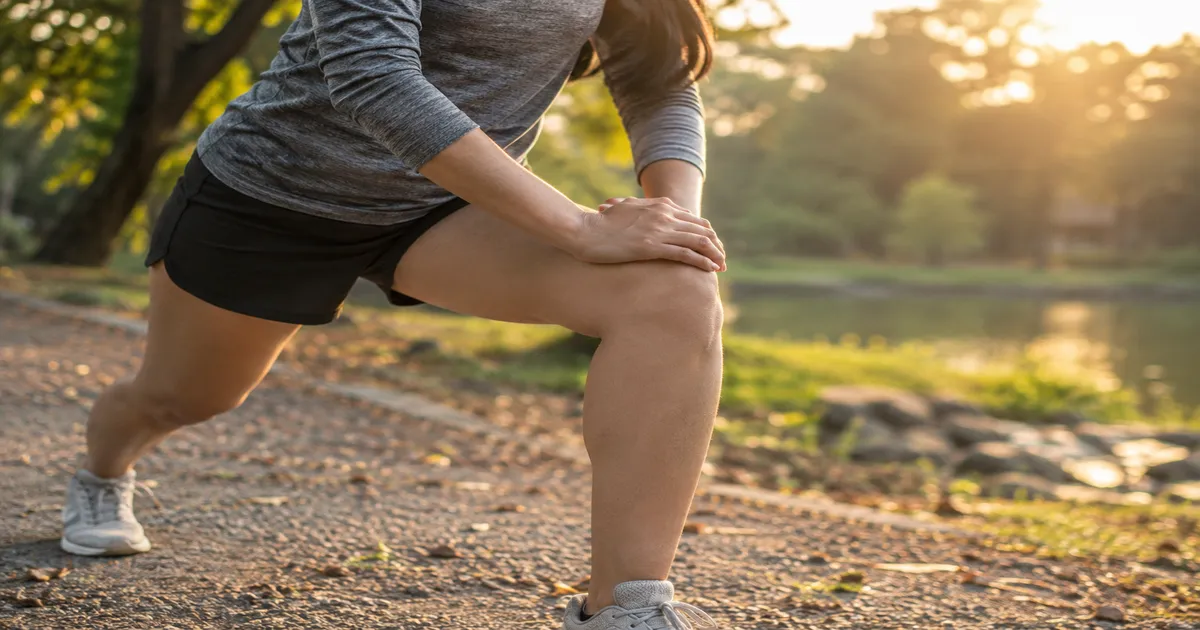
Joint pain and muscle aches are an overlooked side effect of nicotine pouch use. The connection is not obvious at first. Most people blame the gym, their mattress, or getting older. But nicotine affects circulation, inflammation, and pain perception in ways that directly impact your joints and muscles, both while you are using and after you quit.
Why Nicotine Affects Your Joints and Muscles
Nicotine is a vasoconstrictor. It narrows blood vessels, which reduces blood flow to your extremities. Less blood flow means less oxygen and fewer nutrients reaching your joints, muscles, and connective tissue. Over time, this adds up to stiffness, soreness, and that nagging feeling your body is not bouncing back the way it once did.
Here is the part most people miss: nicotine also dulls pain. It is a mild analgesic. While you are actively using ZYN, you might not notice the aches that are quietly building. The pouches are not preventing the discomfort. They are hiding it. When you stop, the masking effect drops away, and everything your body was dealing with in the background suddenly turns the volume up.
The Difference Between Use-Related Aches and Withdrawal Aches
Pain during active use tends to be gradual. It builds over months. Your knees feel stiff after sitting. Your lower back is tighter than you remember. These aches do not scream. They whisper.
Pain after quitting spikes. It often peaks in the first two to three weeks and can feel like your whole body is inflamed. Some people describe it as flu-like aches without the fever. Others notice specific joints, the knees, hips, or shoulders, becoming unusually sore. This is withdrawal-related inflammation plus the loss of nicotine's pain-dampening effect.
The key difference is timing. Use-related aches creep in slowly. Withdrawal aches hit suddenly and usually improve within a few weeks.
What Is Actually Happening in Your Body
When you quit nicotine, your central nervous system recalibrates. Nicotine artificially elevates dopamine and cortisol levels. Remove it, and your body has to relearn how to regulate stress hormones and inflammation markers. During this transition, your immune system can become temporarily overactive. That overactivity shows up as joint stiffness and muscle soreness.
Circulation also changes. As blood vessels relax back to their normal width, blood flow increases to areas that were previously under-supplied. This sudden influx can cause a flushing sensation and discomfort in joints and muscles as tissues re-adjust.
Common Patterns People Report
Shoulder and neck tension tops the list. This is partly because nicotine affects muscle tone and partly because stress without nicotine shows up physically. Jaw clenching and teeth grinding, already covered in our ZYN and TMJ guide, often travel down into the neck and upper back.
Lower back and hip stiffness is another frequent pattern. Reduced blood flow to the pelvic region during active use, followed by the circulatory rebound after quitting, can make these areas feel tight and achy.
Hand and wrist soreness sometimes appears in heavy users. Nicotine's vasoconstrictive effect is strongest in small peripheral vessels, which can make repetitive strain feel worse than it should.
When to Worry and When to Wait
Most post-quitting joint and muscle pain improves within the first several weeks. If your pain is severe, localized to one joint, accompanied by swelling or redness, or does not start improving after a month, see a doctor. These could be signs of an underlying condition that nicotine was masking, such as an autoimmune issue or early arthritis.
If the pain is diffuse, comes and goes, and started within days of quitting, it is almost certainly withdrawal-related. Your body is recalibrating. It is uncomfortable but temporary.
What Helps During the Achy Phase
Movement helps more than rest. Gentle walking, swimming, or yoga keeps blood flowing and prevents stiffness from settling in. The mistake many people make is lying still because they are sore, which only makes the soreness worse.
Hydration matters more than you think. Nicotine is a diuretic, and many users are chronically dehydrated without realizing it. Increasing water intake after quitting helps flush inflammatory byproducts and supports tissue recovery.
Warm baths or showers relax tight muscles and improve circulation. Epsom salt baths are popular, though the magnesium absorption through skin is debated. The heat itself is what does the work.
Anti-inflammatory foods can speed recovery. Omega-3s from fish, turmeric, ginger, and leafy greens support your body's natural inflammation regulation as it adjusts to life without nicotine.
The Trap to Avoid
The biggest mistake is using the aches as a reason to reach for another pouch. It feels like relief, and it is, for a moment. But it resets your withdrawal clock. The aches will come back when you quit again, and they might be worse because your body has to re-adapt. If you are committed to quitting, accept the discomfort as part of the process. It passes.
How PouchOut Helps
PouchOut lets you log physical symptoms alongside cravings. Track your joint and muscle pain day by day, and you will see the pattern: it peaks, then it fades. That visibility is what stops the panic. When you can see your sore knees are part of a known timeline, not some mysterious new illness, you are far less likely to relapse.
Download PouchOut and start tracking your quit journey today.
FAQ
Can ZYN cause arthritis?
Nicotine does not directly cause arthritis, but it can worsen symptoms in people who already have it. The vasoconstrictive effects reduce blood flow to joints, and the inflammatory response during withdrawal can temporarily amplify existing joint issues.
Why do my muscles feel sore after quitting ZYN?
Your muscles are adjusting to improved circulation and the loss of nicotine's pain-dampening effect. Soreness usually peaks early and fades gradually over the following weeks.
Is joint pain a normal withdrawal symptom?
Yes. Diffuse joint and muscle aches are commonly reported during nicotine withdrawal. They are temporary and typically resolve within a month.
Should I take painkillers for ZYN withdrawal aches?
Over-the-counter anti-inflammatories like ibuprofen can help, but use them sparingly. Focus on movement, hydration, and heat therapy first. If pain is severe or persistent, consult a doctor.
Will the aches come back if I relapse and quit again?
Yes. Each quit attempt involves a recalibration period. The good news is that the duration and intensity often decrease with each attempt as your body becomes more efficient at adjusting.
How long does nicotine-related joint pain last after quitting?
Most people notice significant improvement within the first several weeks, though some residual stiffness can linger longer, especially in areas with pre-existing wear.
Can nicotine pouches mask an injury?
Yes. Nicotine's analgesic effect can dull pain signals, which means you might push through an injury without realizing how damaged the tissue is. After quitting, injuries that were masked may become apparent.
Does exercise make withdrawal aches worse?
Intense exercise can temporarily increase soreness, but gentle movement generally helps. The key is consistency, not intensity. Walks, stretching, and light swimming are ideal during the first month of quitting.
Are some people more prone to nicotine-related joint pain?
People with pre-existing joint conditions, older adults, and those with sedentary lifestyles tend to notice aches more. Genetics also play a role in how your body processes inflammation.
What is the fastest way to reduce withdrawal-related muscle soreness?
Combine gentle daily movement, increased hydration, warm baths, and anti-inflammatory foods. Avoid the temptation to stay still or reach for nicotine as a quick fix.