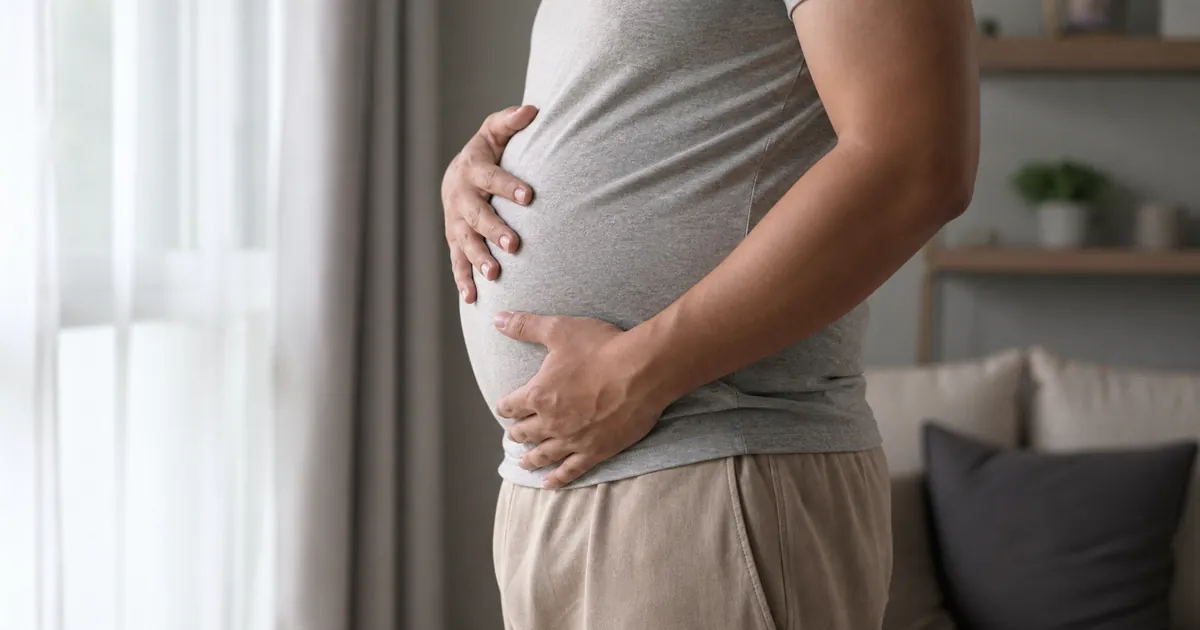
You quit Zyn expecting to feel better. Instead, your stomach is swollen, your rings feel tight, and your face looks puffy in the mirror. You have not changed your diet. You have not gained weight on the scale. But you look and feel bloated. You start wondering if quitting was a mistake, if you have somehow broken your metabolism, if this is your new normal.
This is nicotine withdrawal bloating. It is temporary. It is not fat gain. It is not permanent metabolic damage. It is your digestive and fluid balance systems recalibrating after years of nicotine management.
Nicotine suppresses appetite and speeds gut motility. It acts as a mild diuretic, affecting fluid retention. When you remove it, digestion slows, water retention increases, and your body adjusts to regulating these processes internally again. The result is temporary bloating that resolves as your system stabilizes.
Here is why quitting Zyn causes bloating, when it stops, and how to manage the discomfort.
Struggling with withdrawal symptoms? PouchOut helps you track your quit journey, manage side effects, and stay motivated. Download PouchOut and quit with support.
Why Nicotine Affects Digestion and Fluid Balance
Nicotine is a stimulant that affects multiple body systems. Two of these effects are particularly relevant to bloating: its impact on digestion and fluid balance.
Digestive effects: Nicotine increases gut motility, the speed at which food moves through your digestive tract. It also suppresses appetite signals, reducing overall food intake. When you use nicotine regularly, your digestive system operates in a state of mild acceleration. Food moves through faster. You eat less. Your gut adapts to this rhythm.
When you quit, the acceleration stops. Gut motility returns to normal speed, which feels slow compared to the nicotine-stimulated state. Food sits in your stomach and intestines longer. This creates a sensation of fullness and bloating. Gas production increases as digestion normalizes. Your gut microbiome shifts in response to changed conditions.
Fluid balance effects: Nicotine has mild diuretic properties. It promotes fluid loss through urine and affects hormones that regulate sodium and water retention. Regular nicotine use creates a state of slightly reduced fluid retention compared to baseline.
When you quit, the diuretic effect stops. Your body begins retaining more fluid as it returns to natural balance. This shows up as puffiness in your face, hands, and abdomen. Rings feel tight. Shoes feel snug. Your weight on the scale may increase by several pounds despite no change in body fat.
Both effects are temporary. Your digestive system recalibrates. Your fluid balance stabilizes. The bloating resolves.
The Bloating Timeline
Understanding the timeline helps you endure the uncomfortable phase without panic.
Days 1-3: Early changes begin. You may notice increased appetite as nicotine's suppression wears off. Mild digestive discomfort starts as gut motility slows. Fluid retention is minimal initially.
Days 4-7: Bloating becomes noticeable. Your abdomen feels swollen after meals. Your face may look puffy, especially in the morning. Weight on the scale may increase 2-5 pounds due to water retention. This is not fat gain.
Weeks 1-2: Peak bloating phase. Digestion is at its slowest point. Fluid retention is highest. You may feel uncomfortable in your clothes. Some people experience constipation during this phase as their gut adjusts.
Weeks 3-4: Gradual improvement begins. Digestion speeds up toward normal baseline. Fluid retention decreases. The puffiness in your face and hands subsides. Your weight begins returning to pre-quit levels.
Month 2+: Resolution for most. Digestive function stabilizes at a new normal. Fluid balance is restored. Any remaining bloating is typically mild and intermittent.
Individual variation exists based on duration of nicotine use, dosage, diet, hydration, and overall health. Heavy long-term users may experience prolonged symptoms. Light users may resolve faster.
Water Retention vs. Fat Gain
The distinction matters for your mental state and motivation.
Signs it is water retention:
- Rapid weight change (2-5 pounds within days)
- Puffiness in face, hands, and feet
- Tight rings and shoes
- Weight fluctuates throughout the day
- Belly feels soft and squishy, not firm
- No change in clothing size despite scale increase
- Improves within weeks without calorie restriction
Signs it might be fat gain:
- Gradual weight increase over months
- Consistent increase regardless of time of day
- Clothing becomes noticeably tighter
- Weight does not fluctuate significantly
- Requires calorie surplus to maintain
Most post-quit weight gain in the first month is water, not fat. Nicotine withdrawal does not destroy your metabolism. It temporarily alters fluid balance and digestion. The scale number is misleading during this phase.
Dietary Strategies for Relief
While waiting for your body to stabilize, certain dietary choices can reduce bloating discomfort.
Reduce sodium: High salt intake worsens water retention. Limit processed foods, restaurant meals, and added salt. Focus on whole foods prepared at home where you control the seasoning.
Stay hydrated: Counterintuitively, drinking more water helps reduce water retention. Dehydration signals your body to hold onto fluid. Adequate hydration allows your kidneys to release excess sodium and water. Aim for 8-10 glasses daily.
Eat smaller meals: Large meals overwhelm a digestive system that is already slowing down. Smaller, more frequent meals reduce bloating and discomfort.
Limit gas-producing foods: Beans, cruciferous vegetables, carbonated drinks, and artificial sweeteners can increase gas during the adjustment period. You do not need to eliminate them entirely, but reducing them may help.
Consider probiotics: Withdrawal affects gut bacteria balance. Probiotic foods like yogurt, kefir, sauerkraut, or supplements may support digestive health during the transition. Evidence is mixed, but some people find relief.
Fiber moderation: While fiber supports healthy digestion, increasing it too quickly during withdrawal can worsen bloating. Maintain moderate fiber intake rather than dramatically increasing it.
Should You Use Diuretics?
Over-the-counter diuretics may seem like an easy solution to water retention. They are generally not recommended during nicotine withdrawal.
Why to avoid them:
- They do not address the underlying cause
- They can cause electrolyte imbalances
- They may worsen dehydration
- Your body will rebalance naturally without intervention
- They create dependency on another substance
Exceptions: If you have a medical condition requiring diuretics, continue as prescribed. If water retention is severe and persistent beyond 4 weeks, consult a healthcare provider rather than self-medicating.
The discomfort of withdrawal bloating is temporary. Adding diuretics introduces unnecessary risk for minimal benefit.
When Bloating Indicates Something Else
Most post-quit bloating is normal and resolves on its own. Certain situations warrant medical attention.
See a healthcare provider if:
- Bloating persists beyond 4-6 weeks without improvement
- Severe abdominal pain accompanies bloating
- You experience persistent vomiting or diarrhea
- Bloating is accompanied by blood in stool
- You have a history of digestive disorders that are worsening
- Weight gain continues beyond the initial water retention phase
These symptoms may indicate underlying digestive conditions unrelated to nicotine withdrawal. A doctor can evaluate whether additional treatment is needed.
More PouchOut Resources
- How to Quit Zyn: The Complete 2026 Guide
- Quitting Zyn Without Gaining Weight: Your Appetite Management Guide
- Nicotine Pouch Withdrawal Timeline: What to Expect Day by Day
- Zyn Withdrawal Day 3: Your Survival Guide
- Zyn Nausea: Why Nicotine Pouches Make You Sick
Did I Ruin My Metabolism?
No. You did not ruin your metabolism.
Nicotine withdrawal temporarily affects fluid balance and digestion. It does not permanently damage metabolic function. Your body is adjusting to operating without a stimulant that was affecting multiple systems. This adjustment period is uncomfortable but finite.
Your metabolism is the sum of processes that convert food into energy. Nicotine increased some of these processes slightly. Removing it returns them to baseline, not below baseline. You are not broken. You are recalibrating.
The weight gain in early withdrawal is primarily water. The digestive discomfort is temporary slowing, not permanent damage. Your body knows how to regulate fluid and digestion without nicotine. It is relearning those skills now.
Be patient. The bloating will resolve. Your metabolism is intact. The freedom you are gaining is worth the temporary discomfort.
Frequently Asked Questions
How long does bloating last after quitting Zyn?
Bloating typically peaks during weeks 1-2 and resolves by weeks 3-4. Most people experience significant improvement within a month. Heavy long-term users may have prolonged symptoms, but gradual improvement continues over time.
Should you use diuretics during nicotine withdrawal?
Over-the-counter diuretics are generally not recommended. They do not address the underlying cause and can cause electrolyte imbalances. Your body will rebalance naturally. Consult a healthcare provider if water retention is severe or persistent.
What salt intake tips help with withdrawal bloating?
Reduce sodium by limiting processed foods and restaurant meals. Cook at home where you control seasoning. Avoid adding extra salt to food. Focus on whole foods naturally lower in sodium.
Do probiotics help with withdrawal bloating?
Probiotics may support gut health during the transition, though evidence is mixed. Probiotic foods like yogurt, kefir, and sauerkraut are worth trying. Supplements are optional. Individual response varies.
When does bloating indicate something other than withdrawal?
See a healthcare provider if bloating persists beyond 4-6 weeks, is accompanied by severe pain, vomiting, diarrhea, or blood in stool, or if you have a history of digestive disorders that are worsening.
Nicotine withdrawal can cause temporary bloating and water retention as digestion slows and fluid balance shifts. Symptoms typically peak weeks 1-2 and resolve by weeks 3-4. This is water retention, not fat gain, and does not indicate metabolic damage.