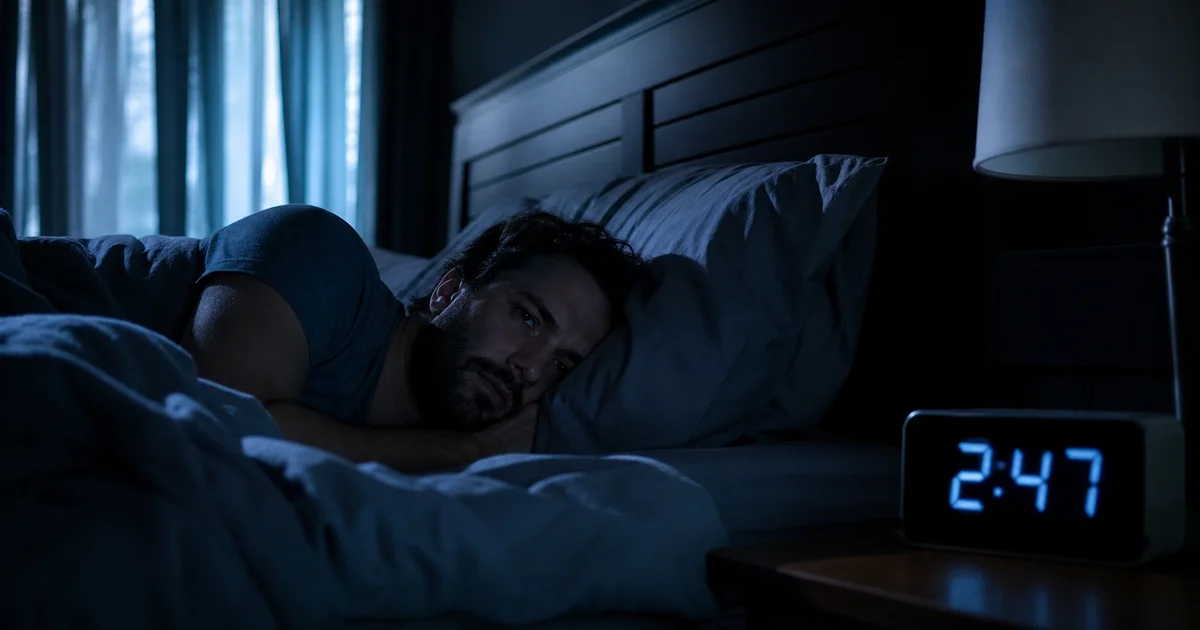
Nicotine pouches disrupt sleep by stimulating the nervous system, delaying sleep onset, reducing REM sleep duration, and causing nighttime awakenings. Sleep quality typically improves within 1-2 weeks of quitting, with REM cycles normalizing within a month.
What Most People Get Wrong About Zyn and Sleep
The biggest misconception is that nicotine helps you relax before bed. It does the opposite. Nicotine is a stimulant that activates your sympathetic nervous system, the same system responsible for fight-or-flight responses. Using Zyn before bed is chemically equivalent to drinking espresso and expecting to drift off peacefully.
Another common error is blaming poor sleep on stress, diet, or age while ignoring the nicotine pouch tucked in their lip every evening. Sleep disruption from nicotine is insidious because it becomes baseline. You forget what restorative sleep feels like and accept chronic fatigue as normal.
People also underestimate how long nicotine affects sleep. A pouch used at 6 PM can still disrupt sleep at midnight. Nicotine has a half-life of approximately two hours, meaning significant amounts remain in your system long after the buzz fades. That "last pouch of the day" is still sabotaging your rest hours later.
The Counterintuitive Truth About Nicotine and Rest
Here is what surprises most users: nicotine creates a vicious cycle where you use it to combat the fatigue it caused. Poor sleep from last night's pouches makes you tired today, so you use more nicotine to stay alert, which ruins tonight's sleep, which makes you tired tomorrow.
The counterintuitive part is that nicotine both stimulates and sedates depending on dose and timing. Small, frequent doses create alertness. Larger doses or withdrawal create relaxation. This dual action confuses users into thinking nicotine helps them wind down when it is actually just relieving withdrawal-induced agitation.
Your evening Zyn does not help you relax. It temporarily relieves the restlessness that nicotine dependency created. The calm you feel is not genuine relaxation. It is the absence of withdrawal symptoms that would not exist without the addiction.
How Nicotine Disrupts Sleep Architecture
Sleep is not uniform. Your brain cycles through distinct stages, each serving different restorative functions. Nicotine disrupts this architecture in measurable ways.
Delayed Sleep Onset
Nicotine increases heart rate, blood pressure, and cortisol levels. These are not conditions conducive to sleep. Users who consume nicotine within two hours of bedtime take significantly longer to fall asleep than non-users. The stimulation overrides your natural sleep drive.
Reduced REM Sleep
REM sleep is critical for emotional regulation, memory consolidation, and cognitive function. Studies show that nicotine reduces both the duration and density of REM cycles. You spend less time in this restorative phase and experience fewer REM periods throughout the night.
Sleep Fragmentation
Nicotine users experience more frequent nighttime awakenings, even if they do not remember them. These micro-arousals disrupt sleep continuity and prevent the deep, restorative stages that leave you feeling refreshed. You sleep for eight hours but wake feeling like you slept for four.
Early Morning Awakening
As nicotine levels drop overnight, withdrawal symptoms can trigger early waking. Many users find themselves awake at 4 or 5 AM, unable to return to sleep. This is not natural early rising. It is withdrawal interrupting your final sleep cycles.
Circadian Rhythm Disruption
Nicotine affects the expression of clock genes that regulate your internal sleep-wake cycle. Regular use can shift your circadian rhythm, making it harder to fall asleep at conventional times even when you want to. Your body literally learns the wrong time to be awake.
The Emotional Journey of Sleep Recovery
Night one without Zyn is often surprisingly difficult. Without nicotine's sedating effects, your brain feels wired. You might lie awake for hours wondering if quitting was a mistake. This is normal. Your nervous system is recalibrating.
By night three, something shifts. You might wake up once or twice, but when you sleep, it feels different. Deeper. More substantial. You start remembering dreams again, a sign that REM sleep is returning.
Week one brings mixed nights. Some evenings you fall asleep easily and wake refreshed. Others feel like a struggle. The pattern is inconsistent because your brain is still adjusting neurotransmitter levels that nicotine previously controlled.
Week two is when most people report significant improvement. Sleep onset becomes faster. Nighttime awakenings decrease. Morning grogginess lifts earlier. You realize this is what sleep was supposed to feel like all along.
Month one marks a new baseline. Your sleep architecture has largely normalized. REM cycles are fully restored. You might still have occasional difficult nights, but they are exceptions rather than the rule. The chronic fatigue that felt permanent is finally lifting.
What Quitters Notice About Their Sleep
People who quit nicotine pouches consistently report the same sleep improvements, often in the same sequence.
Dream recall returns first. Vivid, memorable dreams indicate that REM sleep has resumed in full force. Many ex-users are surprised by how much they missed dreaming, even if they did not realize it was gone.
Morning grogginess decreases. Without nicotine withdrawal demanding immediate attention, you wake naturally and feel alert within minutes rather than hours. The zombie-like first hour of the day becomes a memory.
Afternoon energy stabilizes. Instead of the mid-afternoon crash that required another pouch, energy levels remain steady throughout the day. You no longer need nicotine to combat the fatigue that nicotine caused.
Sleep becomes predictable. You fall asleep around the same time each night and wake naturally without alarms. Your circadian rhythm has reset to its natural pattern, no longer distorted by stimulant use.
Timeline for Sleep Recovery After Quitting Zyn
Understanding the recovery timeline helps you endure the difficult early nights.
Days 1-3: Sleep onset may be delayed. Some people experience insomnia as the brain adjusts to functioning without nicotine's effects. This is temporary and passes quickly for most.
Days 4-7: Sleep quality begins improving. You might sleep more deeply even if duration is inconsistent. Nighttime awakenings may still occur but feel less disruptive.
Weeks 2-3: Significant improvement in sleep continuity. Falling asleep becomes easier. Morning alertness increases. Dream recall becomes consistent.
Week 4: Sleep architecture largely normalized. REM cycles have resumed full function. Energy levels throughout the day have stabilized.
Months 2-3: Sleep has fully recovered. Any remaining issues are likely unrelated to nicotine and should be evaluated separately.
Related Articles
- Zyn Withdrawal Symptoms: The Complete List
- Quitting Zyn and Depression: Understanding the Mood Changes
- Zyn Withdrawal Day 3: The Survival Guide
- Nicotine Pouch Withdrawal Timeline: Day by Day
Frequently Asked Questions
Does Zyn actually keep you awake?
Yes. Nicotine is a stimulant that increases heart rate, blood pressure, and alertness. Using Zyn within two to four hours of bedtime significantly delays sleep onset and reduces sleep quality. The stimulating effects persist even after the subjective "buzz" has faded.
How long before bed should I stop using Zyn?
Ideally, stop using nicotine pouches at least four hours before your intended sleep time. This allows blood levels to decrease sufficiently for natural sleep onset. The earlier you stop, the better your sleep quality will be.
Will my sleep improve immediately after quitting Zyn?
Not immediately. The first few nights may actually be more difficult as your brain adjusts to functioning without nicotine. Significant sleep improvement typically begins around day four to seven, with continued gains over the following weeks.
Why do I have vivid dreams after quitting Zyn?
Vivid dreams indicate that REM sleep has resumed normal function. Nicotine suppresses REM cycles, so when you quit, your brain compensates by increasing REM duration and intensity. This is a positive sign of sleep recovery, not a problem.
Can nicotine pouches cause sleep apnea?
Nicotine does not directly cause sleep apnea, but it can worsen existing symptoms. The stimulant effects fragment sleep and reduce airway muscle tone. If you suspect sleep apnea, consult a medical professional for proper evaluation.
How does Zyn affect sleep compared to smoking?
Both nicotine delivery methods disrupt sleep, but pouches may have slightly less impact than smoking because they lack the additional stimulants and airway irritation from smoke. However, the core sleep disruption from nicotine remains significant with any delivery method.
Ready to reclaim your sleep? Download PouchOut and start your journey to better rest tonight.