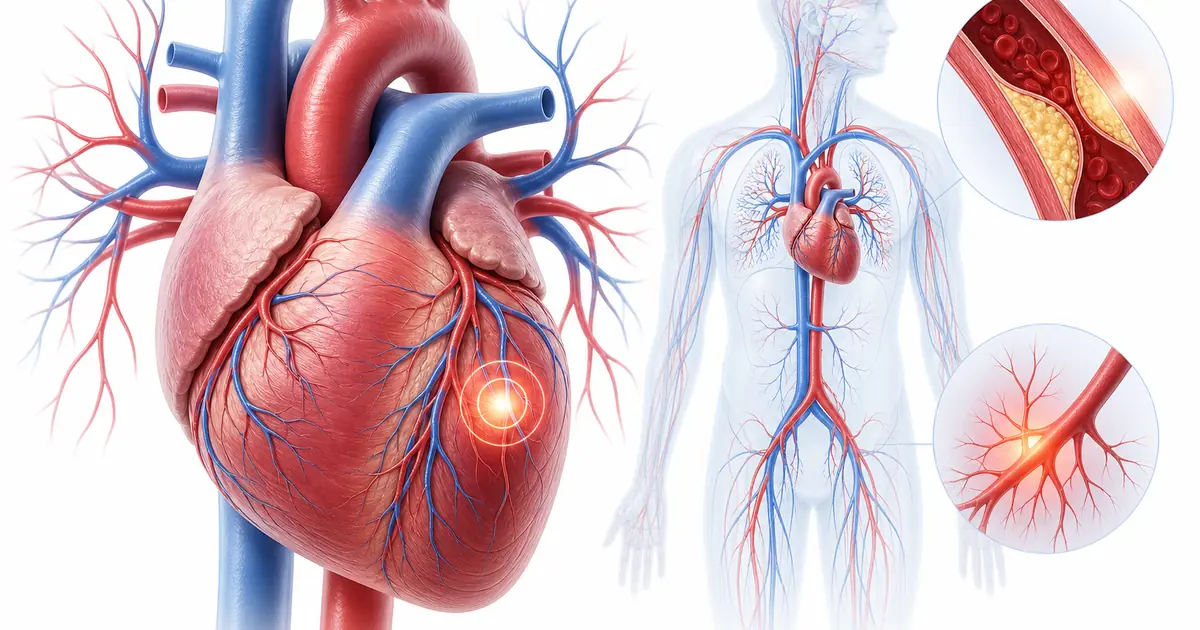
Ten minutes. That is how long it takes nicotine from a ZYN pouch to hit your bloodstream and start pushing your cardiovascular system harder. Your heart beats faster. Your blood vessels squeeze tighter. If you already deal with high blood pressure or any heart condition, this is not abstract medical theory. It is happening right now, every time you pop a pouch.
Everyone knows smoking is bad for your heart. But here is what catches people off guard: nicotine pouches deliver the exact same stimulant to your cardiovascular system, just without the smoke. The effect on your heart is basically the same. This post breaks down what actually happens inside your body when you use ZYN, what researchers have found about long-term risks, and why quitting matters if you care about your heart.
How ZYN Affects Your Heart Rate and Blood Pressure
Nicotine hits your system and your body dumps adrenaline and noradrenaline into your bloodstream. This is the same fight-or-flight response you would get from a sudden scare. Your heart speeds up to move more blood. Your blood vessels clamp down to direct flow where your body thinks it is needed. Blood pressure climbs as a direct result.
Research on smokeless nicotine products shows your cardiovascular system shifts within minutes. Heart rate goes up 10 to 20 beats per minute. The top number on your blood pressure reading climbs 5 to 10 points. Those changes might not sound dramatic, but they add real strain to your heart and blood vessels. Now repeat that strain multiple times a day, every day, for months or years.
The temporary spike is only part of the problem. Using nicotine regularly keeps your sympathetic nervous system slightly activated all the time. Your normal resting heart rate and blood pressure can slowly drift upward. If you have undiagnosed high blood pressure or heart disease runs in your family, this gradual creep can push you into risky territory without you feeling a thing.
What Research Says About Stroke Risk
The link between nicotine and stroke risk has plenty of documentation, but most studies focus on smoked tobacco. The problem is that smokers inhale thousands of chemicals along with nicotine. Separating what nicotine does from what carbon monoxide and other smoke toxins do is genuinely hard.
What we actually know comes from research on smokeless tobacco and nicotine replacement products. A 2018 review in Tobacco Control found that smokeless tobacco users had higher cardiovascular disease risk than people who never used nicotine, though lower than smokers. The risk scaled with use. People who used more faced more cardiovascular impact.
Nicotine raises stroke risk in multiple ways. It makes platelets stickier, which promotes clot formation. It damages the lining of blood vessels, creating spots where plaque can build up. It triggers inflammation throughout your vascular system. Any one of these factors increases stroke risk. Together they stack on top of each other.
When the FDA authorized ZYN in early 2025, they noted that pouches contain fewer harmful chemicals than cigarettes. But they also made clear that the products are not risk-free. The agency specifically called out that nicotine exposure carries cardiovascular risks consumers should know about.
Why Young Users Face Unique Cardiovascular Risks
Public health researchers have noticed a demographic shift. Young adults who never smoked are now regular ZYN users. For this group, cardiovascular risks look different than they do for former smokers who switched to pouches.
A 25-year-old who starts using ZYN is adding cardiovascular stress to a body that was working fine before. The immediate effects are identical. Heart rate goes up. Blood pressure rises. But without the contrast of smoking damage to compare against, young users may not grasp what these changes mean if they keep using for decades.
Brain development is another piece of the puzzle. Nicotine exposure before age 25 affects neural pathways that handle impulse control and reward processing. This can lead to heavier use and make quitting harder down the road. Using more often means stressing your cardiovascular system more often, which stacks up over time.
The Difference Between ZYN and Smoking for Heart Health
Switching from cigarettes to ZYN cuts out the combustion products that do most of the cardiovascular damage from smoking. Carbon monoxide, which blocks oxygen from reaching your heart, disappears. Oxidative stress from inhaling smoke drops significantly. For a smoker who makes the switch, this is real harm reduction.
But harm reduction is not the same as being safe. The nicotine is still there. The cardiovascular stimulation is still there. Someone who switches from cigarettes to pouches and keeps using indefinitely is still hitting their heart with a powerful stimulant multiple times every day.
The best thing for your cardiovascular health is neither smoking nor pouches. Quitting nicotine completely lets your cardiovascular system return to normal. Blood pressure drifts downward. Heart rate variability gets better. Circulation improves. These benefits start within days of quitting and keep building for years.
What Happens When You Quit ZYN
Your cardiovascular system starts recovering almost immediately after you quit nicotine pouches. Within 20 minutes of your last pouch, your heart rate begins dropping toward normal. Blood pressure starts to fall. Within 24 hours, your heart attack risk begins declining as blood vessel function improves.
The first week brings the biggest changes. Most people say they feel less jittery. Sleep often gets better because nicotine is no longer messing with heart rate patterns at night. Morning heart rate is usually lower and steadier.
Over months and years, the benefits keep adding up. Studies of former smokeless tobacco users show cardiovascular risk getting close to that of people who never used nicotine, as long as they stay quit. The exact timeline depends on how long you used, your overall health, and other factors. But the direction is clear. Quitting lowers cardiovascular risk, and the drop is significant.
FAQ: ZYN and Cardiovascular Health
Does ZYN raise blood pressure immediately?
Yes. Nicotine causes blood vessels to constrict and triggers adrenaline release, both of which raise blood pressure. The effect begins within minutes of using a pouch and can last for 30 to 60 minutes. Regular use throughout the day keeps blood pressure elevated for extended periods.
Can ZYN cause heart palpitations?
Heart palpitations are a commonly reported side effect of nicotine pouch use. The stimulant effect of nicotine can trigger irregular heartbeats or the sensation of a racing heart. If you experience persistent palpitations, consult a healthcare provider to rule out underlying arrhythmias.
Is ZYN safer than cigarettes for heart health?
ZYN eliminates the combustion products that make cigarettes particularly damaging to the cardiovascular system. For a current smoker, switching to pouches likely reduces some cardiovascular risks. For a non-smoker, starting ZYN introduces new cardiovascular risks that did not exist before.
How long after quitting ZYN does blood pressure normalize?
Blood pressure begins dropping within hours of your last pouch. Most people see significant improvement within the first week. Full normalization depends on how long you used nicotine and whether other factors like diet, exercise, and stress also affect your blood pressure.
Does ZYN increase stroke risk even without smoking?
Nicotine contributes to stroke risk through multiple pathways including increased clotting, vessel inflammation, and blood pressure elevation. While the absolute risk for a young, healthy user is lower than for a smoker, nicotine exposure still adds cardiovascular stress that would not exist without use.
Related Articles
- How to Quit ZYN: Complete 2026 Guide
- Nicotine Pouch Withdrawal Timeline
- Quitting ZYN Without Withdrawal Symptoms
- ZYN vs Velo vs On vs Lyft: Which Is Easiest to Quit
- Reasons to Quit ZYN: Motivation for Your Journey
- How to Handle Cravings at Work
The Bottom Line on ZYN and Heart Health
ZYN sends nicotine straight into your bloodstream, and your cardiovascular system reacts right away. Heart rate goes up. Blood vessels tighten. Blood pressure rises. These effects are real, measurable, and they happen every single time you use a pouch.
Research on long-term cardiovascular outcomes from nicotine pouches specifically is still emerging. What we have learned from smokeless tobacco and nicotine replacement studies suggests that ongoing nicotine exposure carries cardiovascular risk, even without any smoke involved.
If you care about your heart health, quitting ZYN is one of the most powerful moves you can make. The benefits start within minutes and keep building for years. Your cardiovascular system knows how to heal. You just need to give it the opportunity.