Your ZYN habit might be the reason you are snoring. If it started recently, or your partner has been nudging you about the noise at night, nicotine could be the culprit. It affects your throat muscles in ways that narrow your airway and trigger snoring. For some people, it also makes sleep apnea worse.
How Nicotine Affects Your Airway During Sleep
Nicotine does more than give you a buzz. It seeps into your bloodstream and relaxes the muscles in your throat. When those muscles go slack during sleep, your airway narrows. Air rushing through a tighter space creates the vibration we call snoring.
Higher strength pouches make this worse. A 6mg or 9mg pouch delivers more nicotine than a 3mg, which means more muscle relaxation and more airway collapse. Using ZYN close to bedtime is especially bad. The nicotine is still active when you fall asleep, so the effect hits right when you need your airway open.
Your breathing pattern also changes. Nicotine stimulates receptors that can make your breathing irregular during sleep. Some people have shallow breaths or brief pauses without knowing it. These disruptions break up your sleep quality even if you do not fully wake up.
The Link Between Nicotine and Sleep Apnea
Sleep apnea means your airway gets blocked repeatedly during sleep, causing your breathing to stop and start. There are two types. Obstructive sleep apnea happens when throat muscles relax too much. Central sleep apnea happens when your brain does not send the right signals to your breathing muscles.
Nicotine pouches specifically worsen obstructive sleep apnea. The muscle relaxation adds to whatever problem already exists. If you have mild sleep apnea, ZYN might push you into moderate territory. If you are borderline, nicotine could be what tips you over.
Research on smoking and sleep apnea shows clear patterns. Smokers are more likely to develop sleep apnea than non-smokers. Nicotine pouches do not have the same harmful combustion byproducts as cigarettes, but they still deliver nicotine. That nicotine appears to be the main driver of airway changes.
Inflammation also plays a role. Nicotine irritates the tissues in your upper airway. Swollen tissues take up more space, leaving less room for air. This creates a cycle. Snoring irritates the tissues, which causes swelling, which makes snoring worse.
Why You Might Not Notice the Connection
Most people do not connect their ZYN use with sleep problems because the effects build slowly. You do not snore loudly the first night. The changes happen over weeks and months as your airway tissues adapt to regular nicotine exposure.
Daytime sleepiness is often the first sign you notice. You might blame work stress or bad sleep habits when the real problem is fragmented sleep from airway obstruction. Morning headaches are another common sign that your breathing was disrupted during the night.
Your partner probably notices before you do. They hear the snoring, the gasping, the changes in your breathing rhythm. If they have mentioned these things, take it seriously even if you feel like you slept fine.
The Vicious Cycle of Poor Sleep and Cravings
Here is where it gets messy. Poor sleep makes nicotine cravings worse. When you are sleep-deprived, your brain wants quick dopamine hits to function. A nicotine pouch gives you exactly that. So you use more ZYN to get through the day, which makes your sleep worse, which makes you more tired, which makes you want more nicotine.
Breaking this cycle means addressing both problems at once. You cannot fix your sleep while keeping the same nicotine intake that disrupts it. At the same time, quitting without a plan for the sleep disruption that follows can set you up for relapse.
Many people say their snoring drops noticeably within the first two weeks of quitting. Airway inflammation subsides quickly once nicotine leaves your system. Muscle tone in the throat improves over a similar timeframe. These changes can happen faster than you expect.
What to Do If You Suspect a Connection
Start with an honest assessment. Ask your partner if they have noticed changes in your snoring since you started using nicotine pouches. Record yourself sleeping for a few nights using a smartphone app. Look for patterns in when the snoring happens and how loud it gets.
Consider a sleep study if you have multiple symptoms. Loud snoring, daytime sleepiness, morning headaches, and trouble concentrating are all red flags. A sleep study can determine whether you have sleep apnea and how severe it is. This information matters for your health either way.
Talk to your doctor about timing. If you are planning to quit ZYN, your doctor might recommend waiting until after a sleep study so they get accurate baseline data. Or they might want to see how your sleep changes after quitting. Either way, medical guidance helps.
Strategies for Better Sleep While Quitting
If you are quitting nicotine pouches, sleep disruptions are common. Your body is adjusting to life without the substance it depended on. This adjustment period can temporarily make snoring and sleep quality worse before they get better.
Sleep on your side rather than your back. Side sleeping reduces the gravitational pull on your throat tissues, keeping your airway more open. Use a body pillow to make side sleeping more comfortable, or try the tennis ball technique to prevent rolling onto your back.
Elevate your head slightly. An extra pillow or a wedge pillow can help keep your airway aligned and reduce snoring. Even a slight elevation of 30 degrees can make a real difference for some people.
Avoid alcohol close to bedtime. Alcohol relaxes throat muscles like nicotine does, compounding the problem. Quitting nicotine and avoiding alcohol at the same time might feel like a lot, but your sleep quality will benefit.
Stay hydrated. Dehydration makes the tissues in your throat stickier and more prone to vibration. Drink water throughout the day and keep a glass by your bed. Simple advice, but it works.
When to Seek Medical Help
Some symptoms need immediate medical attention. If you wake up gasping for air, have chest pain at night, or get severe morning headaches, see a doctor promptly. These can be signs of significant sleep apnea that needs treatment.
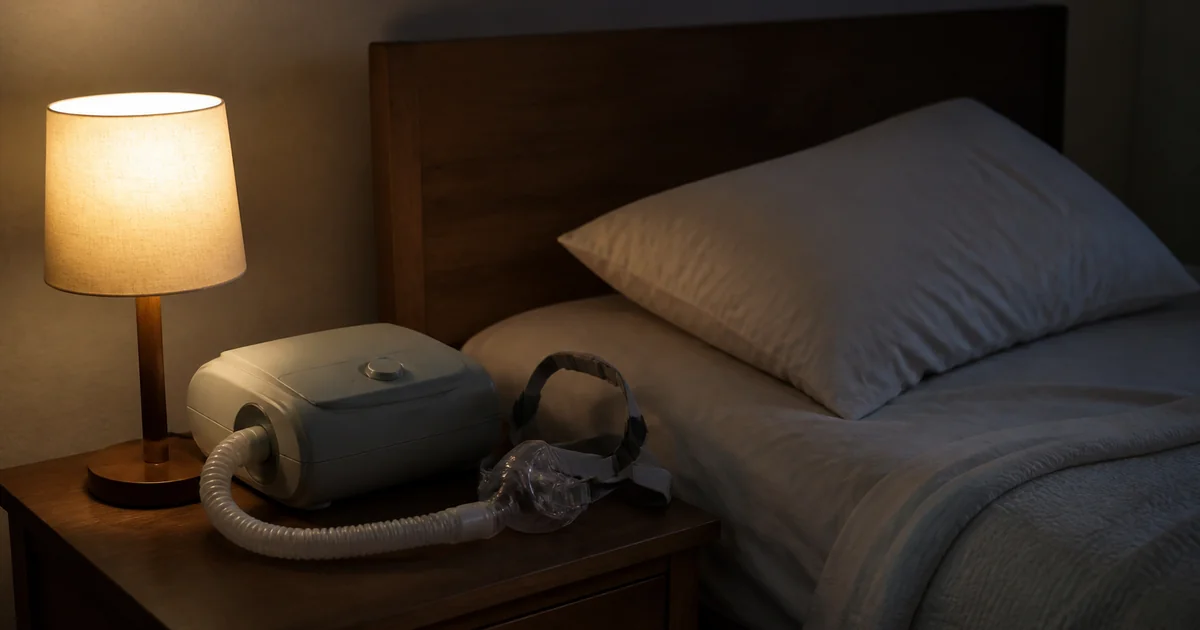
Continuous positive airway pressure (CPAP) therapy is the standard treatment for moderate to severe sleep apnea. A CPAP machine keeps your airway open with gentle air pressure. If you need CPAP, using it consistently matters more than anything else for your sleep quality and long-term health.
Oral appliances are another option for some people. These devices hold your jaw in a position that keeps the airway open. They work best for mild to moderate sleep apnea and for people who cannot tolerate CPAP. A dentist who specializes in sleep medicine can fit you for one.
The Bigger Picture
Your sleep quality affects everything else in your life. Your thinking, mood, immune system, and heart health all depend on good sleep. If nicotine pouches are ruining your sleep, they are undermining the very productivity and focus you might be using them to get.
Many people start using ZYN to avoid the health risks of smoking, only to find new problems they did not expect. Sleep disruption is one of those problems. It is less dramatic than lung cancer but still matters for your daily life and long-term wellbeing.
Quitting nicotine pouches is one of the best things you can do for your sleep. The improvements happen relatively quickly and build over time. Better sleep makes everything else about quitting easier. You have more energy, steadier moods, and clearer thinking.
FAQ
Can nicotine pouches cause sleep apnea?
Nicotine pouches can worsen existing sleep apnea and may contribute to developing it in people who are borderline. The nicotine causes throat muscle relaxation and airway inflammation, both of which obstruct breathing during sleep. They are unlikely to cause sleep apnea on their own in someone with no risk factors, but they can definitely make it worse.
How long after quitting ZYN will my snoring improve?
Many people notice reduced snoring within two weeks of quitting. Airway inflammation begins subsiding within days, and throat muscle tone improves over the first month. The full benefits may take six to eight weeks as your body completely clears the nicotine and repairs irritated tissues.
Is snoring from ZYN use dangerous?
Snoring itself is not dangerous, but it can be a sign of obstructive sleep apnea, which is a serious condition. Sleep apnea increases risk of high blood pressure, heart disease, stroke, and diabetes. If your snoring is loud, frequent, or accompanied by daytime sleepiness, you should get evaluated by a doctor.
Will using lower strength ZYN reduce snoring?
Lower strength pouches deliver less nicotine, which may reduce the muscle relaxation effect. However, the difference might not be enough to solve the problem if you are sensitive to nicotine's effects on your airway. Complete cessation is the most reliable way to eliminate nicotine-related snoring.
Can I use nicotine patches instead of ZYN to avoid snoring?
Nicotine patches deliver nicotine continuously, which can still affect your airway during sleep. Some people find patches less disruptive than pouches because the nicotine delivery is steadier rather than spiking. However, any nicotine source can potentially worsen snoring and sleep apnea. The only way to fully eliminate the risk is to quit nicotine entirely.
Does ZYN cause sleep apnea or just make it worse?
ZYN is more likely to worsen existing sleep apnea than to cause it from scratch. Most people who develop sleep apnea have underlying risk factors like obesity, age, or anatomy. Nicotine pouches can push someone with mild sleep apnea into moderate territory, or make moderate cases more severe. They are one factor among many, but they are a factor you can control.
How can I tell if my snoring is from ZYN or something else?
The only way to know for certain is to quit and see if your snoring improves. You can also look for timing patterns. If your snoring started or got worse after you began using nicotine pouches, that is a strong clue. Recording yourself sleeping and comparing nights when you used pouches late versus early can also reveal patterns.
Ready to quit? Download PouchOut and start your journey to better sleep and a nicotine-free life.
Related articles: ZYN and insomnia connection, Quitting ZYN night cravings, Sleep and nicotine withdrawal