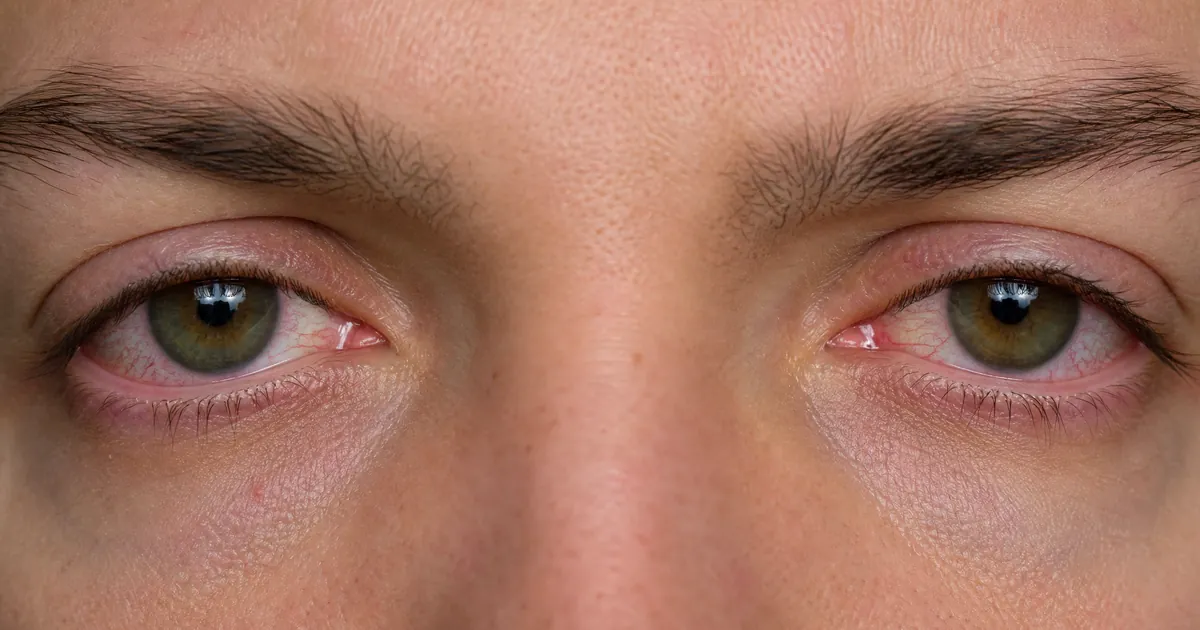
You are reading, and the text seems slightly out of focus. You blink. You rub your eyes. The blurriness persists. You look up from your screen and it takes a moment for distant objects to come into focus. You have been using Zyn regularly, and now you wonder if the two are connected.
They may be. Nicotine is a vasoconstrictor. It narrows blood vessels throughout the body, including those supplying the eyes. Reduced blood flow to the optic nerve and retina may contribute to vision changes. Nicotine also affects tear production, potentially causing or worsening dry eye symptoms. The connection is biologically plausible and supported by user reports. But it is not definitively proven in clinical trials specific to nicotine pouches.
Here is what we know about the link between Zyn and vision changes, how to distinguish nicotine-related symptoms from other causes, and when blurry vision requires urgent medical attention.
Experiencing vision changes? PouchOut helps you quit nicotine pouches and track your symptoms. Download PouchOut and protect your eyes.
How Nicotine May Affect Your Eyes
The eyes are highly vascular organs that depend on consistent blood flow and adequate lubrication. Nicotine affects both.
Vasoconstriction: Nicotine causes blood vessels to constrict throughout the body. This includes the ophthalmic artery and its branches that supply blood to the retina, optic nerve, and other eye structures. Reduced blood flow means less oxygen and fewer nutrients reaching these delicate tissues.
Reduced tear production: Nicotine affects the autonomic nervous system, which controls tear secretion. Many users report dry, gritty, or burning eyes. Reduced blinking while concentrating may compound this effect.
Blood pressure fluctuations: Nicotine causes temporary blood pressure spikes followed by rebounds. These fluctuations may affect intraocular pressure and blood flow dynamics within the eye.
Oxidative stress: Nicotine increases oxidative stress throughout the body, including the eyes. The retina is particularly vulnerable to oxidative damage due to its high metabolic demands and exposure to light.
Corneal effects: Dry eyes from reduced tear production can cause corneal irritation, leading to blurred vision, light sensitivity, and discomfort.
The mechanism is biologically plausible. The eyes depend on adequate blood flow and lubrication. Anything that compromises either may contribute to vision symptoms.
What Users Report
Online communities contain numerous reports from nicotine pouch users who noticed vision changes after starting or increasing their use.
Common patterns in user reports:
Blurry vision: Many users describe intermittent blurriness, particularly when shifting focus from near to far objects. Some report difficulty with night driving or reading small text.
Dry eyes: The most commonly reported symptom. Users describe gritty, burning, or scratchy sensations, particularly toward the end of the day.
Light sensitivity: Some users report increased sensitivity to bright lights or glare, particularly when driving at night.
Focus delays: Difficulty shifting focus between near and distant objects, with a noticeable lag before vision clears.
Quitting response: Users who quit nicotine pouches consistently report improvement in dry eye symptoms within days to weeks. Blurry vision improvements are more variable but frequently reported.
Important caveat: These are self-reported experiences, not clinical data. They cannot prove causation. But the consistency of reports across many users, combined with the biological plausibility, suggests a real association.
Distinguishing Nicotine-Related Vision Changes from Other Causes
Vision changes have many potential causes. Understanding whether nicotine may be contributing to yours requires considering other possibilities.
Nicotine-associated vision characteristics:
- Began or worsened after starting nicotine pouch use
- Often includes dry, gritty, or burning eye sensations
- May correlate with dose and frequency of use
- Often bilateral (both eyes)
- May improve when you stop using for extended periods
- No other obvious cause like prescription changes or eye disease
Other common causes to consider:
Digital eye strain: Hours of screen time cause focusing fatigue, dry eyes from reduced blinking, and blurred vision. This is the most common cause of vision complaints in modern life.
Refractive errors: Nearsightedness, farsightedness, and astigmatism change over time. If you have not had an eye exam recently, your prescription may need updating.
Presbyopia: After age 40, the eye's lens becomes less flexible, making it harder to focus on close objects. This is a normal age-related change unrelated to nicotine.
Dry eye syndrome: Independent of nicotine use, dry eye affects millions. Causes include aging, medications, autoimmune conditions, and environmental factors.
Glaucoma: Increased pressure inside the eye damages the optic nerve. This is a serious condition requiring treatment to prevent vision loss.
Retinal issues: Problems with the retina, including detachment or macular degeneration, cause vision changes that require urgent evaluation.
Diabetes: High blood sugar affects the blood vessels in the retina, causing diabetic retinopathy. Blurry vision can be an early sign of diabetes.
Cardiovascular disease: Conditions affecting blood vessels throughout the body can also affect the eyes.
If your vision changes have characteristics suggesting other causes, or if you have risk factors like diabetes, high blood pressure, or significant screen time, those should be evaluated alongside any potential nicotine contribution.
When Blurry Vision Means See a Doctor Immediately
Some vision changes require urgent medical evaluation. Do not wait to see if they improve.
Seek emergency eye care if you experience:
Sudden vision loss: Any sudden decrease in vision, even if partial, requires immediate evaluation. This may indicate retinal detachment, stroke, or other serious conditions.
Flashes of light: Seeing flashes, sparks, or lightning-like streaks, particularly in peripheral vision, may indicate retinal detachment.
New floaters: A sudden increase in floaters (specks or strings that drift through your vision), especially accompanied by flashes, requires urgent evaluation.
A curtain over vision: The sensation of a shadow or curtain covering part of your visual field may indicate retinal detachment.
Severe eye pain: Painful red eyes, particularly with vision changes, nausea, or halos around lights, may indicate acute glaucoma.
Double vision: Seeing two images instead of one may indicate nerve or muscle problems requiring evaluation.
Vision changes with headache: Severe headache accompanied by vision changes may indicate migraine, stroke, or other neurological conditions.
One eye affected: Vision changes in only one eye warrant prompt evaluation to rule out serious conditions affecting that eye specifically.
Do not assume vision symptoms are solely from nicotine without ruling out serious causes. When in doubt, get checked out.
Does Quitting Help?
For vision symptoms associated with nicotine use, quitting appears to help based on user reports and the underlying biology.
Why quitting may help:
When you stop using nicotine, vasoconstriction reverses. Blood vessels dilate back to normal diameter. Blood flow to the eyes improves. Tear production normalizes as autonomic nervous system function stabilizes. Oxidative stress decreases. These changes create conditions favorable to symptom reduction.
Timeline for improvement:
Days 1-3: Many users report immediate improvement in dry eye symptoms within days of quitting. Reduced burning, grittiness, and discomfort are commonly noted.
Weeks 2-4: This is when most users who will improve see significant changes in blurry vision. Focus may sharpen. Night driving may become easier.
Months 2-6: Continued gradual improvement for some. The eyes heal slowly. Full recovery, when it occurs, may take months.
Important reality: Not all vision symptoms improve after quitting. If the eyes have sustained damage, or if other underlying conditions exist, symptoms may persist. However, even in these cases, quitting prevents further potential damage.
Related Articles
- How to Quit Zyn: The Complete 2026 Guide
- Zyn and Tinnitus: Can Nicotine Pouches Cause Ringing in Your Ears?
- Nicotine Pouch Side Effects: Long-Term Health Risks
- Zyn and Anxiety: Understanding the Connection
Frequently Asked Questions
How long until vision improves after quitting Zyn?
Most users who experience improvement notice changes in dry eye symptoms within days to weeks of quitting. Blurry vision improvements are more variable but frequently reported within 2-4 weeks. Full recovery, when it occurs, may take 2-6 months. Individual timelines vary based on duration of use, nicotine strength, and whether other underlying conditions exist.
Is vaping worse than Zyn for eyes?
Both vaping and nicotine pouches deliver nicotine and may contribute to vision symptoms through the same mechanisms. Vaping may actually be worse for some users because the vapor itself can irritate eyes and the higher nicotine doses in some vape products may cause more pronounced vasoconstriction. However, individual responses vary. Both should be avoided if you are experiencing vision symptoms.
Can you use eye drops while using Zyn?
Yes. Artificial tears and lubricating eye drops can help manage dry eye symptoms while you are using nicotine pouches. Look for preservative-free drops if you need to use them frequently. However, eye drops treat symptoms, not cause. The only permanent solution is quitting.
Contacts vs glasses with dry eyes from Zyn?
Contact lenses can worsen dry eye symptoms and may be uncomfortable if you are experiencing nicotine-related eye dryness. Glasses are generally more comfortable in this situation. If you must wear contacts, use lubricating drops specifically designed for contact lens wearers and consider daily disposables to reduce irritation.
When does blurry vision mean see a doctor immediately?
Seek emergency eye care for sudden vision loss, flashes of light, a sudden increase in floaters, the sensation of a curtain over your vision, severe eye pain, double vision, or vision changes accompanied by severe headache. These symptoms may indicate serious conditions requiring urgent treatment. Do not assume these are solely from nicotine use.
Nicotine pouches like Zyn may contribute to blurry vision and dry eyes through vasoconstriction that reduces blood flow to the eyes and effects on tear production. While the connection is biologically plausible and supported by user reports, it is not definitively proven in clinical trials. Vision symptoms that are associated with nicotine use often improve within weeks of quitting, though individual results vary. Seek urgent medical care for sudden vision loss, flashes, severe pain, or other serious symptoms. When in doubt about vision changes, get checked out.