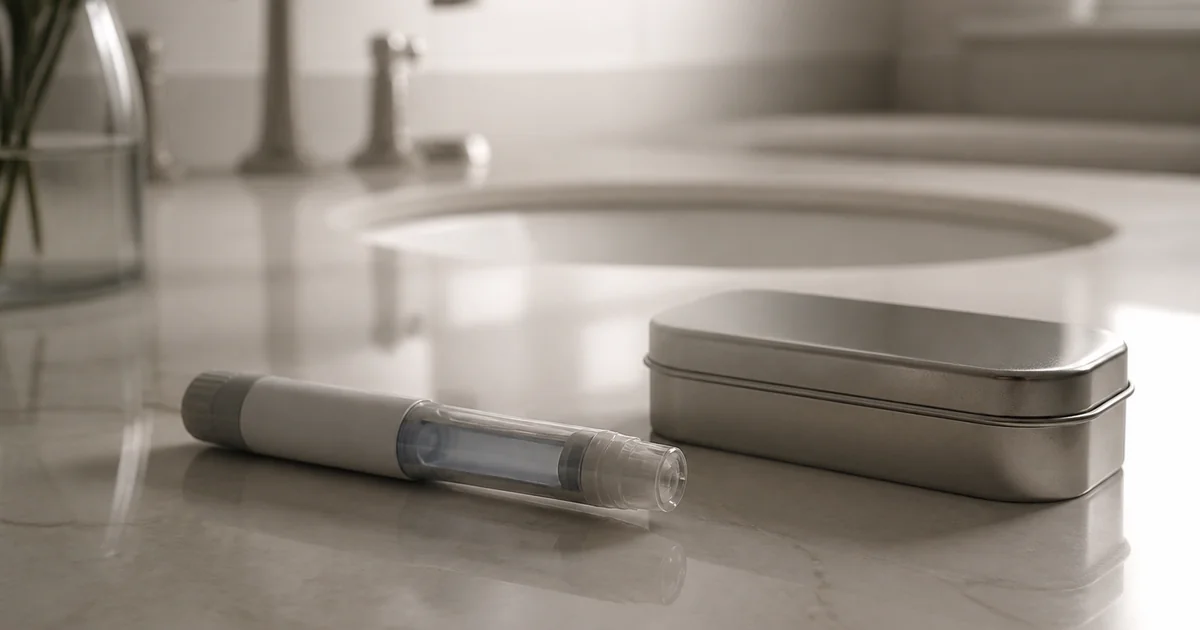
If you are using ZYN while taking Ozempic, Wegovy, or Mounjaro, you may wonder whether the combination affects your body in ways worth discussing with your doctor. The short answer is that these two substances work through entirely different mechanisms, and there is no known dangerous interaction between nicotine pouches and GLP-1 medications. However, both can affect appetite and digestion, which means your experience of side effects might be more complex if you are using both.
The Scenario Your Doctor Sees Regularly
Imagine someone who has just started Ozempic for weight management. They sit in the examination room focused entirely on the nausea they have been experiencing and the dramatic changes to their appetite. They have a list of questions about injection technique, timing, and what foods to avoid. But they never mention the ZYN tin in their pocket that they use six times a day.
This is a common situation. Patients often compartmentalize their habits. A medication prescribed by a doctor feels like medical information worth sharing. A nicotine pouch feels like a personal choice, separate from the clinical conversation. But when both substances affect the same systems, namely appetite and digestion, keeping them in separate mental boxes can lead to confusion about what is causing what.
How GLP-1 Medications and Nicotine Affect Your Body Differently
To understand why this matters, you need to know how each substance works.
GLP-1 medications like Ozempic, Wegovy, and Mounjaro mimic a hormone called glucagon-like peptide-1. This hormone plays several roles in metabolism. It slows gastric emptying, meaning food stays in your stomach longer. It signals satiety to your brain, helping you feel full with less food. It also affects insulin secretion and blood sugar regulation.
Nicotine operates through a completely different pathway. It binds to nicotinic acetylcholine receptors throughout your body, including in your brain and digestive tract. Its effects on appetite are primarily through stimulation of the central nervous system and direct effects on gut motility. Nicotine can suppress appetite for some people, though this effect varies significantly between individuals.
These are independent systems. GLP-1 medications do not interact with nicotine receptors. Nicotine does not interfere with GLP-1 signaling. They are not competing for the same biological pathways, and one does not block or amplify the other in a pharmacological sense.
Why Nausea Becomes a Shared Concern
Both GLP-1 medications and nicotine can cause nausea, though through different mechanisms.
GLP-1 drugs slow gastric emptying as part of their intended effect. Food sitting in your stomach longer triggers stretch receptors and can produce queasiness, especially during the first weeks of treatment or after dose increases. This is one of the most commonly reported side effects of this medication class.
Nicotine can also cause nausea, particularly in people who are sensitive to it, use higher strengths, or consume it on an empty stomach. It stimulates the release of certain neurotransmitters that can trigger the vomiting center in your brain. It also increases stomach acid production and can irritate the stomach lining.
When you are using both, you have two independent sources of potential gastrointestinal discomfort. If you experience nausea after starting a GLP-1 medication, your doctor needs to know about your ZYN use to help interpret whether the medication dose is too high, whether your body is still adjusting, or whether the nicotine is contributing to the problem.
Why Disclosure Matters with Newer Medications
GLP-1 medications are relatively new to widespread use. Ozempic was approved for type 2 diabetes in 2017 and for weight management more recently. Wegovy and Mounjaro followed. This means prescribing doctors are actively learning about real-world side effect profiles and optimal dosing strategies.
When a medication is new, complete information becomes more valuable. Doctors are building their understanding of how patients respond under various conditions. If you report nausea or digestive issues but do not mention your ZYN use, your doctor might adjust your medication dose unnecessarily when the simpler solution could be reducing or eliminating the nicotine pouches.
Full disclosure also helps with accurate symptom tracking. If you stop using ZYN and your nausea improves, that is useful information for both you and your doctor. It helps distinguish medication side effects from lifestyle factors.
The Honest Truth About Research Gaps
Here is what you need to know: nicotine pouches and GLP-1 medications have not been studied together specifically. This is not a situation where research exists but is inconclusive. It is a genuine gap in the medical literature.
Clinical trials for GLP-1 medications typically exclude tobacco users or do not track nicotine pouch use specifically. Post-marketing surveillance focuses on serious adverse events, not the subtle interactions between prescription drugs and over-the-counter nicotine products. No major studies have examined whether people using both experience different side effect profiles or different effectiveness from either substance.
This means anyone claiming to know exactly how these two substances interact is speaking beyond the evidence. The absence of data does not mean there is a hidden danger. It simply means the specific combination has not been rigorously examined. Being honest about this gap is more helpful than inventing findings to fill it.
What to Actually Do If You Use Both
If you are taking a GLP-1 medication and using ZYN, here are practical steps worth considering.
Mention your ZYN use when discussing side effects with your prescribing doctor. You do not need to make a special appointment for this. Just include it in the conversation when you are reviewing how you are tolerating the medication. A simple statement like, "I also use nicotine pouches daily, and I am wondering if that could be contributing to the nausea I have been experiencing" opens the door for useful discussion.
Track whether your symptoms seem to correlate with pouch use timing relative to your medication dosing. Some people find that using ZYN soon after their weekly injection produces more discomfort than using it later in the week. Others notice no pattern at all. Personal tracking helps you and your doctor identify whether there is a temporal relationship worth addressing.
Consider whether this is an opportunity to quit. If you are already making significant health changes by starting a GLP-1 medication, adding nicotine cessation to the mix might feel overwhelming. But it could also be an efficient time to address both, especially if you are experiencing compounded digestive side effects.
Do not stop your prescribed medication without consulting your doctor. If you suspect ZYN is contributing to side effects, discuss whether a medication adjustment makes sense or whether a trial period without nicotine pouches would be informative.
Separating Myth from Reality
You may encounter claims online about specific interactions between nicotine and GLP-1 medications. Some of these suggest dangerous combinations. Others claim synergistic benefits for weight loss. Neither has solid evidence behind it.
The reality is more mundane. These are two substances that both affect appetite and digestion through unrelated mechanisms. They do not interact in a pharmacological sense. They can produce overlapping side effects, particularly nausea. And they have not been studied together in any systematic way.
Believing there is a hidden danger can cause unnecessary anxiety. Believing there is a hidden benefit can lead to poor decisions about which habits to keep. The honest position is uncertainty about the specific combination, which is different from uncertainty about each substance individually.
When to Prioritize Quitting ZYN
If you are experiencing significant nausea, vomiting, or digestive distress while using both substances, quitting ZYN is worth serious consideration. Not because of a known dangerous interaction, but because eliminating one source of gastrointestinal irritation makes it easier to determine what is actually causing your symptoms.
The adjustment period for GLP-1 medications is typically the first four to eight weeks. Side effects often improve as your body adapts. Adding nicotine withdrawal to this period is not ideal timing, but if your symptoms are severe, it may be the clearer path forward.
For those who started GLP-1 medications specifically for weight management, it is worth noting that nicotine is not a reliable or healthy appetite suppressant. The weight loss benefits of GLP-1 medications are substantial and well-documented. Adding nicotine to the mix provides marginal additional appetite suppression at the cost of ongoing addiction and potential side effects.
Talking to Your Doctor About This
Some people hesitate to mention nicotine pouch use to their doctors because they feel embarrassed or worry about being judged. This concern is understandable but misplaced. Doctors are not there to police your habits. They are there to help you manage your health with complete information.
A straightforward approach works best. Mention that you use nicotine pouches, how often, and what strength. Ask whether this could be affecting your experience of the medication side effects. Request guidance on whether a trial period without ZYN would help clarify what is causing your symptoms.
If your doctor is unfamiliar with nicotine pouches specifically, explain that they are tobacco-free nicotine products similar to gum or patches in terms of nicotine delivery, though used differently. This context helps your doctor understand what you are actually using.
Frequently Asked Questions
Can I use ZYN while taking Ozempic or Wegovy?
There is no known dangerous interaction between nicotine pouches and GLP-1 medications. Both can cause nausea and affect appetite, so your side effect experience may be more complex, but they do not interact pharmacologically.
Will ZYN make my GLP-1 medication less effective?
There is no evidence that nicotine interferes with how GLP-1 medications work. The medications will still slow gastric emptying and signal satiety. However, if nicotine is causing significant nausea, you might have trouble eating enough to meet your nutritional needs, which could indirectly affect your response.
Should I quit ZYN before starting a GLP-1 medication?
You do not need to quit beforehand for safety reasons. However, starting both changes simultaneously makes it harder to identify the source of any side effects. If you are planning to quit anyway, doing so before or after the medication adjustment period, rather than during, can make the process clearer.
Why does my nausea seem worse right after my weekly injection?
GLP-1 medications peak in your system shortly after dosing, which is why many people experience the strongest side effects in the first day or two after their weekly injection. If you also use ZYN during this window, you may be compounding two sources of nausea at the same time.
Will my doctor judge me for using ZYN?
A good doctor will appreciate your honesty and work with you to optimize your health. If you encounter judgment, that reflects on the provider, not on you. Complete information helps your doctor give you better care.
Is there any benefit to using ZYN with GLP-1 medications for weight loss?
No credible evidence suggests that combining nicotine with GLP-1 medications enhances weight loss. The appetite suppression from GLP-1 drugs is already substantial. Adding nicotine provides minimal additional benefit while maintaining addiction and potential side effects.
Making Informed Choices
If you are using ZYN while taking a GLP-1 medication, you are navigating a combination that has not been specifically studied. This does not mean you are in danger. It means you need to be thoughtful about tracking your symptoms and communicating openly with your healthcare provider.
The most practical approach is disclosure. Let your doctor know about your ZYN use. Pay attention to whether your symptoms track with your medication timing or your pouch use. Consider whether this is the right moment to address both your metabolic health and your nicotine habit.
Quitting ZYN is challenging, but support is available. The PouchOut app provides structured tracking, craving management tools, and progress insights to help you through the process. If you are ready to eliminate one variable from your health equation, you do not have to do it alone.
Download PouchOut and start your journey to being pouch-free.
Related articles: