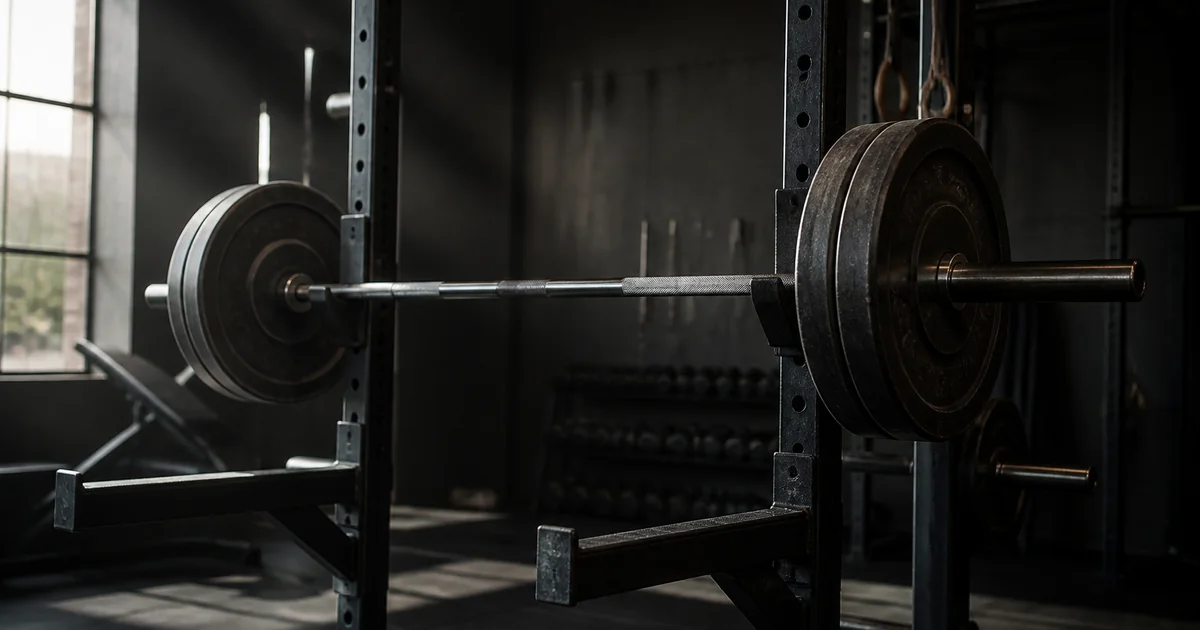
Nicotine pouches are everywhere in gyms now. Check any locker room, any weight floor, any CrossFit box. Someone is popping a ZYN between sets. The question is not whether people use them. It is whether those little white pouches are quietly eating into the work you put in.
Here is the straight answer: nicotine messes with muscle protein synthesis, recovery, and hormones in ways that work against bodybuilding goals. You can still build muscle on ZYN. But you are probably leaving something on the table.
What Most People Get Wrong About Nicotine and Fitness
The fitness crowd treats nicotine pouches like cheap pre-workout. The thinking is simple: nicotine is a stimulant, stimulants boost focus and energy, so nicotine must help workouts. That is not completely wrong for a single session. But it misses what happens over time.
What gets ignored is the slow burn. Nicotine raises cortisol, the hormone that breaks muscle down. It tightens blood vessels, which means less nutrient flow to muscles that need repair. It screws with sleep, and sleep is when most muscle building actually happens. You might feel sharper for that hour in the gym. You pay for it during the other 23.
The Counterintuitive Truth: Why Some Lifters Swear By It
Here is the awkward part. Plenty of serious lifters use nicotine pouches and still progress. Some say it helps them lock in on heavy sets. The dopamine hit keeps them showing up. The ritual of a pouch between exercises keeps them present.
That is not placebo. Nicotine does bump acetylcholine and dopamine, which can help motor control and motivation. When you are dragging through a session, that boost matters. The problem is the short-term win hides long-term costs. It is like taking a high-interest loan to buy a mediocre stock. The cash feels good now. The math does not work out later.
What the Emotional Journey Looks Like
Week one feels like a discovery. You are dialed in. The weight moves better. You tell yourself you found an edge.
Week four, your sleep gets lighter. You wake up at 3 AM for no reason. Your HRV score on your fitness tracker drifts down. You blame work stress.
Week twelve, your progress stalls. You eat enough, train hard, sleep okay. The scale moves, but your lifts do not. You add volume, try a new supplement, switch programs. The pouches stay in your gym bag because now they are just part of the routine.
Month six, someone mentions your recovery seems off. You dig into it. You find this article. You realize the connection was there the whole time.
What to Expect When Training After Quitting ZYN
The general pattern after quitting nicotine pouches, for those who continue training, follows a predictable arc. The first two weeks often feel worse. Focus drops. Sessions feel harder. Then something shifts.
Sleep gets deeper. Morning energy picks up. The pump during workouts feels fuller. Recovery between sessions shortens. Progress starts again, sometimes after months of going nowhere.
The pattern is clear: quitting benefits do not show up right away. They build over time. Once through the initial adjustment, many find the training difference becomes obvious and wish they had made the change sooner. Not because the transition was easy, but because the compounding effects on performance become undeniable.
How PouchOut Helps You Keep Your Gains While Quitting
Most lifters relapse because of structure, not willpower. Between sets, during rest periods, in the locker room. These are the trigger moments, and willpower runs out.
PouchOut gives you something else to do with your hands and attention. Track cravings by intensity and time. Log workouts to see how nicotine correlates with performance. Use guided breathing when the urge hits mid-session. The app is built for people who do not want to pick between quitting and staying consistent in the gym.
Download PouchOut to start tracking your quit journey alongside your training log.
The Science: What Nicotine Actually Does to Muscle
Nicotine activates the sympathetic nervous system, which prioritizes short-term survival over long-term repair. The physiological effects on muscle growth and recovery include:
- Less blood flow to muscles during recovery
- Higher cortisol, which breaks muscle protein down
- Disrupted sleep stages, especially deep and REM sleep
- Altered appetite regulation, which can throw off nutrition timing
None of this means nicotine users cannot build muscle. Genetics, training, nutrition, and sleep still matter more. But nicotine drags on all of those systems. If you are optimizing everything else, it is the variable to look at.
Practical Advice for Gym-Goers Considering Quitting
If you use ZYN and train, you do not need to pick between quitting and progress. You need to time it right.
First, do not quit during a peak week or competition prep. Withdrawal stress plus training stress equals burnout. Start during a maintenance phase or deload week.
Second, replace the ritual. The pouch between sets is not just nicotine. It is punctuation, a micro-break, a moment of control. Find something else for that 60 seconds. Sip water. Walk to the fountain. Do a mobility drill. The craving lasts about three minutes. You can outlast it.
Third, track real numbers. Strength, body weight, sleep score, resting heart rate. Give yourself data to see if quitting helps or hurts. Most people find the data convincing after four to six weeks.
FAQ
Will I lose strength if I quit ZYN?
You might feel slightly off for one to two weeks. Focus and energy can dip temporarily. Most lifters report returning to baseline by week three and exceeding previous performance by week six to eight.
Does nicotine actually help with lifting?
Acutely, it can improve focus and reduce perceived exertion. Chronically, it impairs recovery, sleep, and hormone balance. The net effect depends on your timeline. For single sessions, maybe helpful. For long-term progress, likely harmful.
How long until my workouts feel normal again?
Most people report feeling fully adapted within two to four weeks. Sleep improvements often show up first, within the first week. Strength and endurance metrics typically normalize by week three.
Is vaping better than ZYN for gym performance?
Neither is ideal for fitness goals. Vaping introduces additional variables like lung irritation and cardiovascular strain. ZYN avoids respiratory effects but still delivers nicotine with all its systemic impacts.
Can I use ZYN occasionally without affecting gains?
Occasional use carries less risk than daily use, but nicotine's half-life means even sporadic use affects sleep and recovery. If you are serious about optimization, occasional use is still use.
What about nicotine gum or patches?
These delivery methods still introduce nicotine and its effects. The advantage is controlled dosing and easier tapering. If you are using them as a quit aid with an endpoint, they can be useful. As a long-term replacement, they carry similar downsides.
Related Articles
- ZYN and Athletic Performance: VO2 Max and Endurance
- Quitting ZYN Without Losing Weight: Appetite Guide
- ZYN and Sleep: Insomnia Connection
- ZYN and Testosterone: Male Hormones
- Running Without ZYN: Training Endurance Guide
- ZYN Gym Workout: Nicotine Exercise Effects
- ZYN and Cardiovascular Health
- How to Quit ZYN: Complete 2026 Guide