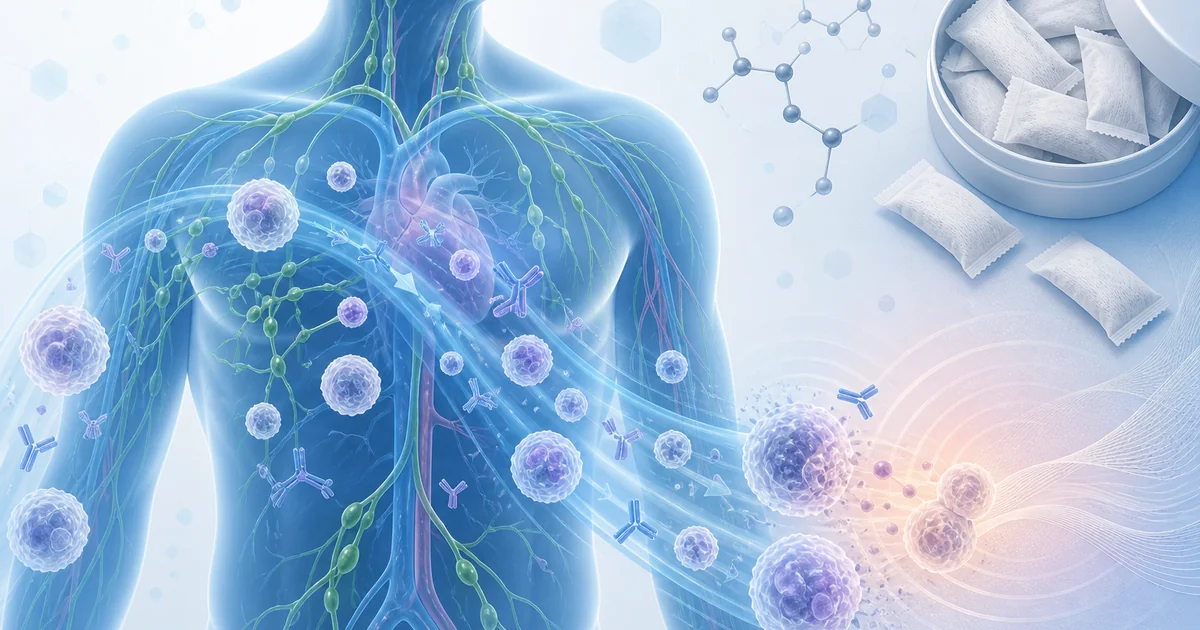
Nicotine pouches like ZYN affect more than just your gums and stress levels. They quietly interfere with your immune system, leaving you more vulnerable to every cold, flu, and infection that circulates through your office or household. Most people never make the connection between their daily pouch habit and the persistent run-down feeling that seems to follow them through winter after winter.
What Most People Get Wrong About Nicotine and Immunity
The common assumption is that nicotine primarily harms the lungs or gums. People understand smoking damages respiratory health, and they have heard about gum recession from pouch use. But the immune system rarely enters the conversation. Users who catch three colds in a season or take weeks to shake off a minor infection usually chalk it up to bad luck, a stressful month at work, or simply getting older.
This blind spot exists because the immune suppression from nicotine does not announce itself. There is no immediate symptom, no warning sign the day you start using pouches. The effects accumulate slowly, masked by the temporary alertness that nicotine provides. By the time someone notices they are getting sick more often, they have usually developed other explanations. They blame their children for bringing home germs from school, their open-plan office for circulating viruses, or their own failure to take vitamin supplements. The pouch sitting in their lip rarely makes the suspect list.
The Counterintuitive Truth About Nicotine's "Boost"
Here is what few users understand: the alert, focused feeling that makes nicotine appealing is not free energy. It is borrowed from your body's defense budget. When nicotine enters your system, it triggers a stress response. Your adrenal glands release cortisol and adrenaline, the same hormones that flood your bloodstream during an emergency. This is why you feel sharp, awake, ready to concentrate.
But cortisol and adrenaline are not designed for daily, sustained release. In evolutionary terms, they exist for short bursts: escaping a predator, fighting off an immediate threat. When you use nicotine pouches throughout the day, you keep your body in a low-grade state of emergency. Your systems prioritize immediate survival over long-term maintenance. Immune function gets downgraded. The cells that patrol for viruses and bacteria receive less support. Inflammation, which should be a targeted response to specific threats, becomes chronic and misdirected.
The alertness you feel is your body diverting resources from repair and defense into immediate readiness. Over months and years, this trade-off accumulates. Your immune system never gets the stable, supportive environment it needs to function optimally.
The Emotional Journey: From Denial to Recognition
Week one of frequent colds feels like coincidence. You tell yourself you are just unlucky with this particular virus going around. Everyone at work seems fine, but you drew the short straw. You dose up on over-the-counter remedies, push through the fatigue, and keep your pouch routine steady because the last thing you need during a busy week is nicotine withdrawal on top of everything else.
By week four, the pattern becomes harder to ignore. Another colleague brings a bug into the office, and while everyone else shrugs it off in a day or two, you are down for a week. You start wondering why your immune system seems weaker than everyone else's. You try to remember the last time you went a full month without some minor illness. The thought that your daily habit might be connected flits across your mind, but you push it away. The pouches feel harmless, discreet, nothing like smoking. Surely they cannot be responsible for something as systemic as immune function.
Week eight brings the creeping suspicion. You notice the correlation between heavy use periods and the onset of symptoms. A stressful project at work means more pouches, which seems to coincide with catching whatever is circulating. You start connecting the dots: the constant low-level stress state, the poor sleep, the run-down feeling that never quite lifts. The possibility that your daily ZYN use is keeping you sick becomes harder to dismiss.
How Nicotine Affects Immune Cell Activity
To understand why this happens, it helps to look at what nicotine does at the cellular level. Your immune system relies on a complex network of cells that detect, attack, and remember pathogens. These cells require careful coordination. Some need to multiply rapidly when a threat appears. Others need to dial down inflammation once the danger passes. This balance depends on chemical signals moving through your bloodstream.
Nicotine interferes with these signals. It mimics a natural neurotransmitter called acetylcholine, which plays a role in immune regulation as well as brain function. By flooding these receptor sites, nicotine disrupts the normal communication between immune cells. Natural killer cells, which target viruses and cancerous cells, may become less responsive. T-cells, which coordinate the adaptive immune response, can have their development and function altered. Macrophages, the cleanup crew that devours bacteria and cellular debris, may become less efficient.
The result is not total immune collapse. Your body still fights infections. But it fights them less effectively, more slowly, with greater cost to your energy and wellbeing. A virus that someone else clears in three days might take you ten. A minor bacterial infection that would barely register for a non-user might leave you exhausted and unproductive.
Practical Advice for Connecting the Dots
If you suspect your immune system is suffering from nicotine pouch use, the first step is simple but powerful: start tracking. Write down every sick day, every cold, every instance of fatigue that forces you to cancel plans or underperform at work. Do this for two months while maintaining your current usage pattern. Do not try to cut back yet. You want a baseline.
Then review the data. Count the incidents. Note the severity and duration. Most people who do this exercise are surprised by the frequency. What felt like occasional bad luck reveals itself as a pattern. Three colds in two months is not normal for a healthy adult. Two weeks of lingering fatigue after each minor illness suggests your recovery systems are compromised.
Once you have this baseline, plan your quit attempt with awareness of timing. Quitting during flu season is harder because your immune system is already dealing with increased environmental threats. The withdrawal period adds stress on top of that stress. If possible, choose a quieter time of year when fewer viruses are circulating. This gives your body the best chance to stabilize and rebuild without fighting on multiple fronts.
What to Expect When You Quit
The first few weeks after stopping nicotine pouches can feel like a step backward before you move forward. Your body has adapted to constant cortisol and adrenaline. Removing that stimulus leaves you temporarily fatigued, possibly more susceptible to illness as your stress hormones recalibrate. This is normal and temporary.
Around the one-month mark, most former users notice a shift. Sleep improves, which directly supports immune function. The chronic low-grade inflammation begins to subside. Energy levels stabilize without the peaks and crashes of nicotine use. By month three, many people report catching fewer colds and recovering faster when they do get sick. Their immune system is no longer operating in a perpetual state of emergency.
This recovery is not dramatic or immediate. It happens gradually, in the background, the same way the damage accumulated. You might not notice the first month you go without a cold. But by month six, the difference becomes undeniable.
What PouchOut Does Differently
Most quit-tracking apps focus on counting days since your last dose and calculating money saved. These metrics matter, but they miss something crucial for immune health: the correlation between usage and how you actually feel.
PouchOut tracks your usage alongside your daily wellbeing. You log when you use a pouch, and you log how you feel: energy levels, sleep quality, mood, and yes, symptoms like sore throats, coughs, and general malaise. Over time, the app reveals patterns that are invisible when you are living day to day. You can see if heavy use days cluster before sick days. You can track whether your immune-related symptoms improve as your usage drops.
This data serves two purposes. First, it provides motivation. Seeing a clear line between your habit and your health makes the abstract connection concrete. Second, it helps you optimize your quit strategy. If the data shows you are most vulnerable to colds during high-stress weeks when your usage spikes, you can plan extra support during those periods. You can see whether tapering gradually or quitting cold turkey produces better immune outcomes for your specific body.
Internal Links
For a broader view of how nicotine pouches affect your health over time, see our guide to long-term nicotine pouch side effects. If you have noticed anxiety or panic symptoms alongside your physical health concerns, you may also want to read about the connection between ZYN and anxiety or panic attacks.
Frequently Asked Questions
Can nicotine pouches really make me get sick more often?
Nicotine triggers the release of stress hormones like cortisol and adrenaline, which can suppress immune function when elevated chronically. Many users report catching fewer colds and recovering faster after quitting, though individual experiences vary based on overall health, sleep, and other factors.
How long after quitting ZYN will my immune system recover?
Most people notice improvements in sleep and energy within the first month. Immune function typically stabilizes over three to six months as your body recalibrates its stress response and inflammation levels return to normal.
Is the immune suppression from ZYN as bad as smoking?
Nicotine pouches eliminate the lung damage and many carcinogens associated with smoking, which is significant for respiratory immune health. However, the nicotine-induced stress response and its effects on immune cell function apply to both products.
Why do I feel worse right after quitting if my immune system is supposed to improve?
The first few weeks involve withdrawal and recalibration. Your body has adapted to constant cortisol and adrenaline. When you remove nicotine, there is a temporary adjustment period before your natural rhythms stabilize.
Can I boost my immune system while still using ZYN?
Good sleep, nutrition, and stress management help, but they cannot fully counteract the chronic stress state that sustained nicotine use creates. The most effective way to support immune function is to reduce or eliminate the source of the disruption.
Should I quit during cold and flu season?
Quitting during flu season is harder because your immune system faces additional environmental threats during withdrawal. If you have flexibility, choosing a quieter time of year may give your body a better chance to stabilize.
How can I tell if ZYN is affecting my immune system specifically?
Track your sick days, recovery times, and general energy levels for two months while maintaining your current usage. Then compare this to a similar tracking period after you reduce or quit. The pattern usually becomes clear in the data.
Does pouch strength matter for immune effects?
Higher nicotine content likely produces a stronger stress hormone response, though the relationship is not strictly linear. Even lower-strength pouches used frequently can maintain a chronic stress state that affects immune function over time.
If you are ready to see how your ZYN use connects to your overall health, download PouchOut and start tracking today. The patterns in your data may reveal exactly what your immune system has been trying to tell you.