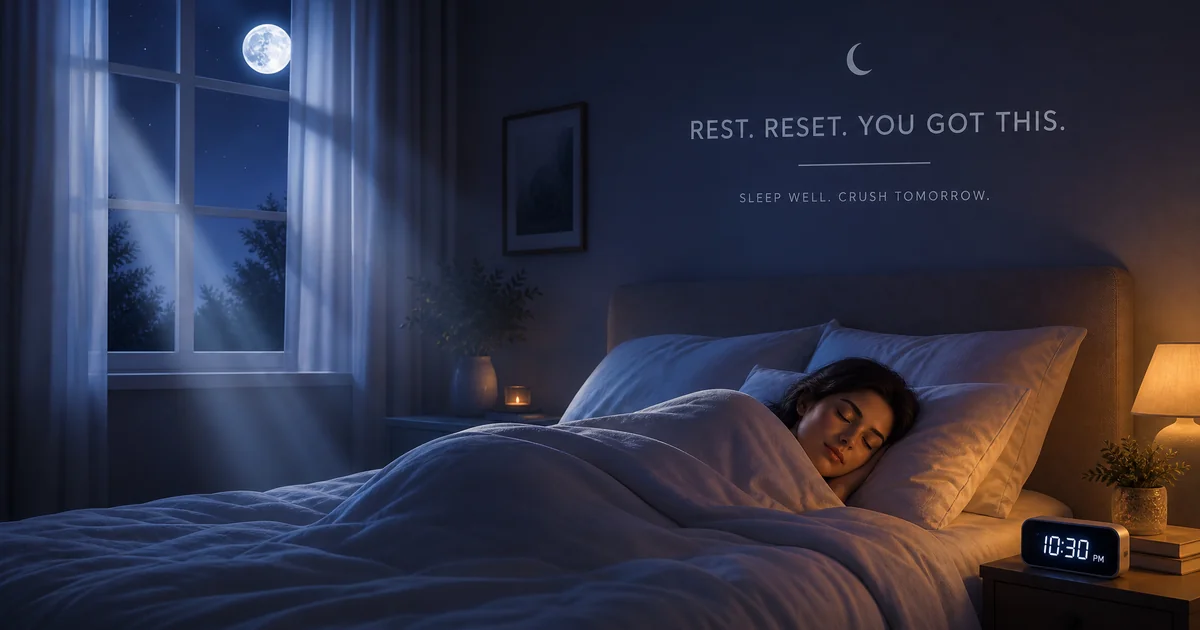
Nighttime nicotine cravings are the most underestimated obstacle when quitting ZYN. While daytime urges feel manageable with distraction and routine, the quiet hours between 10 PM and 4 AM strip away every defense. Your brain knows this. That is why the witching hour hits different.
Most people expect withdrawal during the day. They plan for it. They pack gum, schedule walks, and avoid trigger situations. But few prepare for the 2 AM wake-up with a dry mouth and an obsessive thought: just one pouch would help me sleep. It would not. It would reset the clock and leave you feeling defeated by morning.
Why Night Cravings Feel Unstoppable
Nicotine has a half-life of roughly two hours. By bedtime, levels have dropped significantly from your last daytime pouch. Your brain notices. It sends increasingly urgent signals to replenish. These signals manifest as restlessness, irritability, and that specific craving quality that feels almost physical.
The problem compounds because sleep deprivation itself increases nicotine cravings. A 2023 study in the journal Addiction found that sleep-restricted smokers experienced 30% stronger urges than those with normal sleep duration. The relationship is bidirectional: nicotine disrupts sleep architecture, and poor sleep amplifies withdrawal.
Evening routines often reinforce the association. Many users have a "last pouch of the day" ritual. Removing it creates a void that feels wrong. The couch, the TV show, the winding down — all become cues that something is missing. Classical conditioning does not care about your quit date.
The Sleep-Nicotine Feedback Loop
Nicotine acts as both a stimulant and a sedative depending on dose and timing. Small, frequent doses create alertness. Larger evening doses can feel relaxing. Your brain has learned to associate nicotine with the transition to sleep. Without it, the transition feels broken.
REM sleep suffers particularly during nicotine withdrawal. Users often report vivid, disturbing dreams or complete dream suppression. Both indicate disrupted sleep architecture. The brain is recalibrating without its usual chemical assist. This recalibration takes time — typically one to three weeks.
Morning grogginess during early quit attempts often gets misattributed to withdrawal itself rather than poor sleep quality. Understanding this distinction matters. You are not failing at quitting. You are sleeping badly because your brain is adapting. These are separate problems with separate solutions.
Strategy One: Restructure Your Evening Routine
The hour before bed needs to look different from your using days. Not just absent the pouch — actively different. New sensory inputs, new sequence, new location if possible.
Start by moving your last caffeine intake to at least eight hours before bedtime. Nicotine withdrawal already disrupts sleep. Adding caffeine withdrawal on top creates a perfect storm of restlessness. Many ZYN users also consume significant caffeine. The combination withdrawal is brutal.
Create a non-negotiable wind-down protocol. This might include: warm shower, herbal tea, reading physical books, gentle stretching. The specific activities matter less than their consistency and their difference from your previous routine. Your brain needs new cues to associate with sleep onset.
Avoid screens for 60 minutes before bed. The blue light suppression of melatonin is real, but more relevant is the psychological activation. Scrolling keeps the mind engaged in a way that conflicts with sleep preparation. During nicotine withdrawal, this activation is especially counterproductive.
Strategy Two: Manage the Physical Symptoms
Dry mouth is the most common nighttime complaint during ZYN cessation. The salivary glands have been suppressed by years of oral nicotine exposure. They overcompensate when the stimulus is removed, then undercompensate as they recalibrate.
Keep water by the bed, but sip rather than gulp. Excessive water intake creates its own sleep disruption through bathroom trips. Consider a humidifier in your bedroom. The moisture helps both dry mouth and the throat irritation that often accompanies early withdrawal.
Some users find relief from nicotine replacement therapy patches specifically designed for 24-hour wear. These provide a low, steady dose that prevents the dramatic overnight drop in nicotine levels. The trade-off is continued nicotine dependence, but for severe nighttime cravings, it can be a bridge strategy.
Avoid alcohol as a sleep aid. It fragments sleep architecture and suppresses REM. The temporary sedation is not worth the subsequent wakefulness. You are trying to heal your brain's sleep regulation, not override it with another substance.
Strategy Three: Cognitive Techniques for Craving Waves
When a craving hits at 2 AM, your thinking becomes catastrophic. I will never sleep without it. Tomorrow will be ruined. I might as well give up. These thoughts feel true in the moment. They are not.
Label the craving as a withdrawal symptom, not a genuine need. Your brain is experiencing a temporary neurochemical imbalance. It is uncomfortable but not dangerous. It will pass regardless of whether you use nicotine. The only question is whether you reset the withdrawal clock.
Use the 4-7-8 breathing technique: inhale for four counts, hold for seven, exhale for eight. This activates the parasympathetic nervous system and provides a competing focus for your attention. It also gives you something to do that is not reaching for a pouch.
If you cannot sleep after 20 minutes, leave the bedroom. Do something low-stimulation in dim light. Return only when sleepy. This preserves the bed-sleep association and prevents the development of conditioned insomnia. Lying awake in bed trains your brain that bed is for worrying.
Strategy Four: Environmental Modifications
Remove all nicotine products from your bedroom and adjacent areas. Not just out of sight — out of the house if possible. The knowledge that a pouch is available in the next room creates a background tension that interferes with sleep onset.
Consider temporary sleep location changes. If you have a guest room or comfortable couch, using it for the first week disrupts the environmental cues associated with your using routine. This is not permanent. It is a tactical retreat to win the larger battle.
White noise or brown noise machines can help mask the internal noise of withdrawal. The constant sound provides a focus for attention that competes with craving thoughts. Many users report that external sound helps them feel less alone with their discomfort.
Temperature matters. Nicotine is a vasoconstrictor. Withdrawal often involves feeling uncomfortably warm as blood flow normalizes. Keep the bedroom cool — around 65°F or 18°C. Use breathable bedding. Physical comfort reduces the total load of discomfort you are managing.
What to Expect: The Timeline
Night one through three are typically the worst. Sleep latency increases, awakenings multiply, and dreams become vivid or disturbing. This is normal. Your brain is experiencing acute nicotine deprivation for the first time in months or years.
By day seven, most users report some improvement in sleep quality. The acute withdrawal has peaked and begun to decline. Sleep architecture remains disrupted, but the intensity of cravings typically diminishes enough that falling asleep becomes possible.
Week two through three brings the most significant improvement. Sleep duration normalizes, and the quality begins to approach baseline. Some users actually report better sleep than during their using period, as the stimulant effects of nicotine are no longer interfering with deep sleep.
If sleep disruption persists beyond three weeks, consider consulting a healthcare provider. Persistent insomnia can indicate underlying sleep disorders that nicotine was masking. Treating these directly is more effective than returning to nicotine use.
The Morning After a Bad Night
You will have bad nights. Everyone does. The key is how you respond the following day. Do not use poor sleep as justification for daytime nicotine use. This creates a cycle where night cravings lead to morning relapse, which leads to continued night use.
Instead, treat sleep deprivation as you would a mild illness. Reduce demands where possible. Prioritize single important tasks over a full workload. Accept that performance may be degraded temporarily. This is not failure. It is the cost of neurochemical recalibration.
Naps can help if kept under 30 minutes and taken before 2 PM. Longer or later naps interfere with nighttime sleep and can perpetuate the disruption. The goal is to survive the day while protecting the following night's sleep opportunity.
FAQ
How long do night cravings last when quitting ZYN?
Acute night cravings typically peak in the first 72 hours and significantly diminish by day seven. However, occasional intense cravings can resurface for several weeks, particularly during stress or when sleep-deprived. Most users report relatively normal sleep by weeks two to three.
Why do I wake up at 3 AM every night since quitting?
This is common and relates to nicotine's half-life. If your last pouch was around 10 PM, levels drop significantly by 3 AM, triggering withdrawal symptoms including wakefulness. The timing varies based on your previous using schedule but often follows this pattern initially.
Will using nicotine patches at night help me sleep better?
24-hour nicotine patches can reduce nighttime withdrawal symptoms for some users. However, they continue nicotine exposure and may delay full adaptation to nicotine-free sleep. Many users find that removing the patch before bed actually improves sleep quality once the initial withdrawal period passes. Discuss with a healthcare provider to determine the best approach for your situation.
Why are my dreams so vivid since quitting ZYN?
Nicotine suppresses REM sleep. When you quit, REM rebounds — often intensely. This causes vivid, sometimes disturbing dreams. The effect is temporary, typically lasting one to three weeks. Your brain is essentially catching up on dream sleep it missed while using nicotine.
Is it normal to feel hungrier at night when quitting?
Yes. Nicotine is an appetite suppressant, and many users replace oral nicotine with oral snacking. Combined with disrupted sleep, this can lead to genuine hunger at unusual hours. Keep healthy snacks available and try to distinguish true hunger from oral fixation.
Should I take sleep medication while quitting ZYN?
Short-term use of over-the-counter sleep aids like melatonin or diphenhydramine can help during the first week. However, avoid becoming dependent on sleep medication as a replacement for nicotine. The goal is to restore natural sleep architecture, not substitute one chemical aid for another.
Can I use ZYN just for sleep and quit during the day?
This approach rarely works long-term. Using nicotine at night maintains physical dependence and makes daytime cravings harder to manage. It also perpetuates the association between nicotine and sleep. Full cessation is challenging but ultimately more effective than partial attempts.
When to Seek Additional Help
If sleep disruption persists beyond three weeks, or if you experience severe mood changes, persistent anxiety, or thoughts of self-harm, contact a healthcare provider immediately. These can indicate underlying conditions that require professional treatment.
Nicotine cessation is one of the most difficult behavioral changes people attempt. Nighttime cravings are a real and significant obstacle. But they are temporary. With the right strategies and support, you can sleep through withdrawal and emerge on the other side.
Ready to quit ZYN for good? Download PouchOut for structured daily support, craving tracking, and evidence-based quit strategies designed specifically for nicotine pouch users.
Related articles:
- How to Quit ZYN: Complete 2026 Guide
- ZYN Withdrawal Symptoms: Complete List
- Nicotine Pouch Withdrawal Timeline: Day by Day
- ZYN and Sleep: Insomnia Connection Explained
- Quitting ZYN Without Withdrawal Symptoms
- How to Handle Cravings at Work
- ZYN Withdrawal Day 3 Survival Guide
- Urge Surfing Technique for Nicotine Cravings