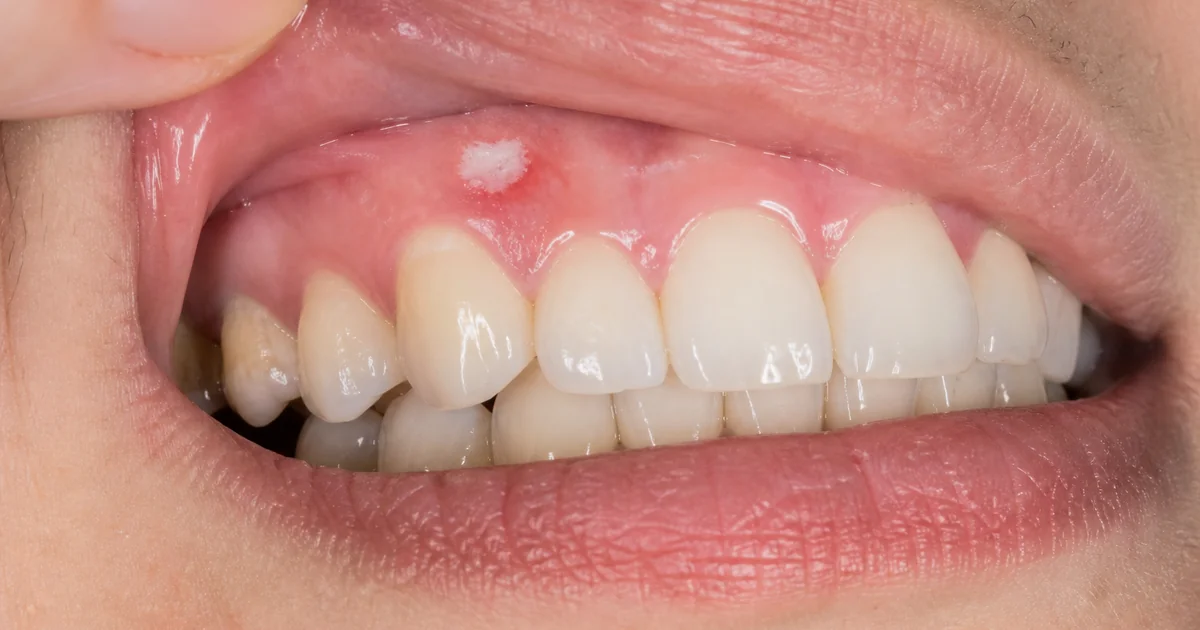
Nicotine pouches sit against your gum tissue for up to an hour at a time, sometimes multiple times a day. That prolonged contact does more than cause temporary irritation. It changes the bacterial balance in your mouth, and those changes can outlast the buzz.
Your oral microbiome, the community of bacteria living in your mouth, plays a bigger role in gum health than most people realize. When that balance shifts, the effects show up as white patches, persistent inflammation, and tissue changes that do not always reverse when you stop using pouches.
This post explains what happens to your oral bacteria when you use ZYN regularly, why gum recession is often permanent, and what the recovery timeline actually looks like if you quit.
What Is the Oral Microbiome
Your mouth contains billions of bacteria, fungi, and other microorganisms. Most of them are harmless or beneficial. They help with digestion, protect against pathogens, and maintain the health of your gum tissue.
This ecosystem stays in balance through competition. Beneficial bacteria crowd out harmful ones. Saliva washes away excess. Your immune system keeps populations in check. When this balance works, your gums stay pink, firm, and healthy.
Nicotine pouches disrupt this system in several ways. The physical pressure of the pouch against tissue reduces blood flow to that area. Nicotine itself constricts blood vessels. The alkaline pH of pouch contents alters the local environment. And the constant presence of foreign material triggers low-grade inflammation that changes which bacteria can thrive.
How ZYN Changes Bacterial Balance
When you place a ZYN pouch under your lip, you create a small zone of altered conditions. The tissue underneath gets less oxygen. The pH shifts. And the mechanical pressure affects how saliva circulates in that spot.
Bacteria respond quickly to these changes. The physical pressure, reduced oxygen, and altered pH create conditions where certain bacterial species can overgrow while beneficial ones decline. These changes manifest as visible tissue alterations in the areas where pouches sit most frequently.
The white patches many users notice are one visible sign of this disruption. They form where the pouch sits most often. The tissue thickens and lightens as a protective response to chronic irritation. While these patches typically fade after quitting, they indicate that the microbiome in that area has been altered.
Why Gum Recession Often Becomes Permanent
Gum recession happens when the tissue pulling away from the tooth exposes more of the root surface. With nicotine pouches, this occurs for several reasons.
The constant mechanical pressure from the pouch can physically push tissue away from the tooth over time. Reduced blood flow from nicotine constriction limits the nutrients and immune cells that reach the area. And chronic inflammation triggers tissue remodeling that can permanently change gum architecture.
Once gum tissue recedes, it does not grow back. Unlike skin, gum tissue has limited regenerative capacity. The body can heal inflammation and reduce redness, but it cannot restore lost tissue without surgical intervention.
This is why rotating pouch placement matters, though it only delays rather than prevents damage. Even if you move the pouch around, you are still creating zones of altered bacterial balance and reduced blood flow somewhere in your mouth.
The White Patch Phenomenon Explained
Many ZYN users develop white patches where they place their pouches most often. These patches, sometimes called nicotine stomatitis or pouch keratosis, represent the mouth's attempt to protect itself.
The tissue thickens in response to chronic irritation. The outer layer of cells proliferates, creating a tougher barrier. This shows up visually as a white or grayish area that matches the shape of the pouch.
These patches are generally considered benign, meaning they are not cancerous. However, they indicate that the tissue has undergone changes. The normal bacterial balance has shifted. The tissue architecture has altered. And the area may be more vulnerable to other problems.
Importantly, these patches usually fade after quitting. The tissue can return to a more normal appearance within weeks to months. But the underlying changes to bacterial populations may persist longer, and any gum recession that occurred is permanent.
What Research Actually Shows
The long-term effects of nicotine pouches on oral health are still being studied. The products have only been widely used in the United States for about a decade, which is not long enough to capture all potential outcomes.
What we know so far comes from shorter-term studies and clinical observations. Users with several years of regular pouch use commonly show visible tissue changes in areas where pouches sit, including white patches and altered gum texture. These changes appear to result from chronic mechanical irritation and altered bacterial balance rather than from direct chemical damage alone.
Other research has focused on specific bacterial shifts. Smokeless tobacco use, which shares some similarities with pouch use, is generally associated with alterations in oral bacterial diversity, with some beneficial species declining while others associated with inflammation increase.
The key uncertainty is what happens over decades rather than years. Oral cancers often take twenty or thirty years to develop. Gum disease progresses slowly. The full picture of how nicotine pouches affect long-term oral health will not be clear for many years.
Recovery Timeline After Quitting
If you stop using nicotine pouches, your mouth begins recovering immediately. But different aspects heal at different rates.
White patches typically fade within weeks to a few months. The tissue no longer needs its protective thickening once the irritation stops. Color returns to normal as cell turnover resumes its usual pattern.
Inflammation reduces over a similar timeframe. Redness, swelling, and tenderness improve as the immune system no longer has to respond to constant foreign material. Blood flow improves as nicotine clears your system.
Bacterial balance takes longer to restore. The oral microbiome is resilient but slow to change. It may take months for bacterial populations to return to their pre-use state, assuming no permanent tissue damage occurred.
Gum recession does not reverse. Any tissue that has pulled away from the tooth remains that way. You can prevent further recession by quitting, but you cannot regrow what has been lost without grafting surgery.
Practical Steps for Oral Health
If you currently use nicotine pouches, several practices can reduce harm while you work toward quitting.
Rotate placement to distribute irritation across different areas. This does not prevent damage but prevents concentrating it in one spot. Avoid placing pouches in the same location repeatedly.
Maintain excellent oral hygiene. Brush twice daily with fluoride toothpaste. Floss to remove bacteria from between teeth where pouches do not reach. Consider an alcohol-free mouthwash to support bacterial balance without drying tissues further.
Stay hydrated. Nicotine reduces saliva production, and pouches absorb moisture from the immediate area. Drinking water helps maintain normal saliva flow, which protects both teeth and gums.
See your dentist regularly. Professional cleanings remove tartar that harbors bacteria. Your dentist can monitor for early signs of gum disease or tissue changes that need attention.
Most importantly, make a plan to quit. The only way to fully protect your oral microbiome and gum health is to stop using nicotine pouches entirely.
How PouchOut Helps You Quit
Quitting nicotine pouches is challenging because the habit is so convenient. You can use them anywhere, anytime, without anyone noticing. That accessibility makes it hard to break the pattern.
PouchOut is designed specifically for this challenge. The app tracks your usage patterns, showing you exactly when and where you reach for a pouch most often. This awareness alone helps many users identify their trigger situations.
The app includes craving management tools for those moments when the urge hits. Guided breathing exercises, distraction techniques, and progress tracking give you alternatives to reaching for another pouch.
Community features connect you with others going through the same process. Quitting feels less isolating when you can share experiences and strategies with people who understand.
Your gum health and oral microbiome will thank you. Every day without pouches allows your mouth to move closer to its natural, healthy state.
Download PouchOut and start your quit journey today.
FAQ
Can white patches from ZYN become cancerous?
Current evidence suggests these patches are benign reactive changes, not precancerous lesions. However, any persistent oral lesion should be evaluated by a dentist or oral surgeon to rule out other causes. If you have white patches that do not fade within a month of quitting, schedule an examination.
Will my gums grow back after I quit?
Unfortunately, no. Gum tissue that has receded does not regenerate on its own. The good news is that quitting stops further recession. Your dentist can discuss grafting procedures if the recession is significant enough to cause sensitivity or cosmetic concerns.
How long until my mouth feels normal after quitting?
Most users notice improved mouth feel within days as nicotine clears and blood flow improves. White patches typically fade within weeks to months. Bacterial balance may take several months to fully restore. The timeline varies based on how long and how heavily you used pouches.
Does rotating pouch placement prevent all damage?
No. Rotating placement distributes damage across more areas rather than concentrating it, but it does not prevent the underlying mechanisms: reduced blood flow, altered bacterial balance, and chronic inflammation. Quitting remains the only way to fully protect your oral health.
Are some people more susceptible to gum damage from pouches?
Yes. People with existing gum disease, those who use higher nicotine strengths, and those who keep pouches in for extended periods face greater risk. Genetics also play a role in gum tissue resilience. But all users experience some degree of tissue change with regular use.
Can I reverse bacterial imbalance with probiotics or mouthwash?
Probiotics and specialized mouthwashes may help support oral bacterial balance, but they cannot fully counteract the effects of continued pouch use. The most effective approach is quitting, which allows your mouth's natural systems to restore balance over time.