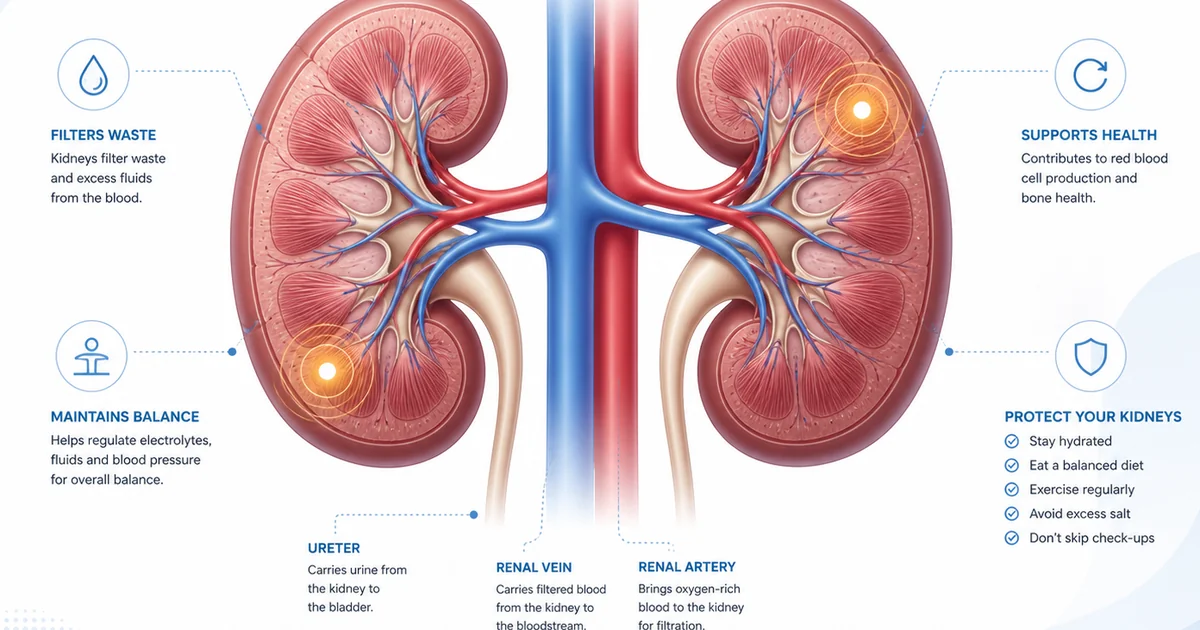
Nicotine pouches deliver their active compound directly into your bloodstream through the gums. From there, it travels everywhere, including to the kidneys, which filter waste from your blood around the clock. If you use ZYN regularly, understanding how nicotine interacts with renal function matters more than most product marketing suggests.
How Nicotine Reaches Your Kidneys
When you place a ZYN pouch between your gum and lip, nicotine absorbs through the oral mucosa and enters your circulation within minutes. Your blood carries it to every organ system, including the adrenal glands sitting right above your kidneys. From there, the kidneys do what they always do: filter substances from your blood, process them, and prepare waste for elimination through urine.
This means your kidneys encounter nicotine and its metabolites with every single pouch you use. For occasional users, this exposure is brief. For daily users going through multiple pouches, the kidneys face a continuous workload processing a known nephrotoxin, a substance that can damage kidney tissue over time.
What the Research Actually Shows
The scientific literature on nicotine pouches specifically and kidney health remains limited, largely because these products have not existed long enough for long-term epidemiological studies. However, research on nicotine from other sources, including cigarettes and smokeless tobacco, provides relevant context.
Nicotine causes vasoconstriction, the narrowing of blood vessels. Your kidneys contain dense networks of tiny blood vessels called glomeruli that filter your blood. When these vessels constrict, blood flow decreases, and filtration efficiency drops. Over time, repeated vasoconstriction can stress kidney tissue.
Nicotine also generates oxidative stress, creating unstable molecules called free radicals that damage cells. Kidney cells are particularly vulnerable to oxidative damage because of their high metabolic activity and blood flow. The combination of reduced blood supply and cellular damage creates conditions where kidney function may gradually decline.
People with existing kidney conditions or on immunosuppressive medication may face elevated risk from any added vasoconstrictive or nephrotoxic exposure.
Kidney Stones and Nicotine Pouches
Users occasionally report kidney pain or stones after starting nicotine pouch use, but establishing direct causation proves difficult. Kidney stones typically form over weeks or months, not days. If someone develops stones shortly after beginning ZYN use, those stones were likely already forming.
However, nicotine may contribute to stone formation indirectly. It increases urine calcium excretion in some users. Higher calcium concentration in urine raises the risk of calcium-based stones. Nicotine can also reduce fluid intake if users substitute pouches for hydration breaks, leading to more concentrated urine and a higher stone risk.
The dehydration effect deserves attention. Many ZYN users report dry mouth as a side effect. If you respond to dry mouth by drinking less water overall, your urine becomes more concentrated. Concentrated urine provides the perfect environment for minerals to crystallize and form stones.
Urinary Tract Symptoms Some Users Experience
Beyond kidney concerns, some nicotine pouch users report urinary symptoms that may connect to their use. These include increased urinary frequency, urgency, and nighttime urination. The mechanism likely involves nicotine's stimulant effects on the bladder and its diuretic properties.
Nicotine stimulates the release of antidiuretic hormone, which normally helps regulate urine concentration. Disrupting this hormone cycle can lead to altered urination patterns. Additionally, nicotine's stimulant effects may increase bladder sensitivity, creating the sensation of needing to urinate even when the bladder is not full.
For users with existing overactive bladder or benign prostatic hyperplasia, nicotine may worsen symptoms. The combination of bladder irritation and increased urinary frequency can significantly disrupt daily life and sleep quality.
Who Faces Higher Risk
Not all ZYN users face equal kidney-related risks. Several factors increase vulnerability:
People with existing kidney disease face the highest risk. Damaged kidneys already struggle with filtration. Adding a nephrotoxic substance increases the workload and may accelerate functional decline. If you have chronic kidney disease, even stage 1 or 2, nicotine pouches warrant serious reconsideration.
Diabetes compounds the risk. Diabetes is the leading cause of kidney disease in developed countries. Nicotine raises blood sugar and increases insulin resistance, potentially worsening diabetic control. The combination of diabetes and regular nicotine use creates a concerning scenario for long-term renal health.
Hypertension also matters. High blood pressure damages kidney vessels over time. Nicotine causes acute blood pressure spikes and may contribute to chronic elevation. Users with uncontrolled hypertension face accelerated kidney damage from the combined effects of their condition and nicotine exposure.
Dehydration amplifies everything. If you use ZYN in situations where you also limit fluid intake, at work, during travel, or while gaming, you multiply your risk. Concentrated urine is harder on kidneys and more likely to form stones.
What Quitting Can Do for Kidney Health
The good news: kidneys have remarkable regenerative capacity. When you remove stressors, they often recover function, sometimes surprisingly quickly.
Within days of quitting nicotine pouches, vasoconstriction reverses. Blood flow to kidney tissue improves, and filtration efficiency increases. Users who quit often notice changes in urination patterns within the first week, typically experiencing less urgency and frequency.
Over weeks and months, oxidative stress decreases. Free radical damage slows, and kidney cells have the opportunity to repair. For users without permanent structural damage, kidney function markers often return to baseline or show significant improvement.
Hydration becomes easier after quitting. Without constant dry mouth, most people naturally drink more water. Better hydration supports kidney function and reduces stone risk. The combination of removing nicotine and improving fluid intake creates a favorable environment for renal recovery.
Practical Steps for Kidney Health While Quitting
If you use ZYN and are concerned about kidney health, or if you are quitting and want to support recovery, several strategies help:
Prioritize hydration. Aim for pale yellow urine. Dark urine indicates concentration and stress on your kidneys. Carry water and drink regularly throughout the day, not just when thirsty.
Monitor your blood pressure. Home monitors are inexpensive and widely available. Check weekly, especially during the first month of quitting when cardiovascular changes occur. Share readings with your healthcare provider if they run high.
Limit sodium intake. High sodium increases blood pressure and kidney workload. Processed foods, restaurant meals, and snacks often contain surprising amounts. Cooking at home with fresh ingredients gives you control.
Get kidney function tested. A basic metabolic panel checks creatinine and estimated glomerular filtration rate, the key markers of kidney function. If you have used nicotine pouches regularly for years, especially if you have risk factors, ask your doctor about testing.
Watch for warning signs. Persistent flank pain, blood in urine, dramatic changes in urination frequency, or swelling in legs and feet warrant medical evaluation. These symptoms may indicate kidney problems requiring attention.
The Bottom Line on ZYN and Kidney Health
Nicotine pouches deliver a nephrotoxic substance directly into your bloodstream multiple times daily. While research specifically on ZYN and kidney disease remains limited, the pharmacology of nicotine provides clear reasons for concern. Vasoconstriction, oxidative stress, and potential dehydration effects all stress renal function.
For healthy occasional users, the risk may be modest. For daily users, especially those with diabetes, hypertension, or existing kidney concerns, the combination of factors creates genuine vulnerability. The kidneys you have are the only ones you will get. Protecting them means honestly assessing whether nicotine pouch use aligns with long-term health goals.
Quitting removes the stressor and allows recovery. The sooner you stop, the more kidney function you preserve. If you are ready to quit, PouchOut provides structured support for the journey.
Frequently Asked Questions
Can ZYN cause kidney stones?
ZYN has not been proven to directly cause kidney stones, but nicotine may contribute to risk factors. It can increase urine calcium excretion and lead to dehydration through dry mouth effects. Stones form over time, so any connection would involve chronic use rather than occasional use.
How do I know if ZYN is affecting my kidneys?
Most early kidney damage causes no symptoms. The only way to know is blood testing for creatinine and eGFR. If you use ZYN regularly and have risk factors like diabetes or high blood pressure, ask your doctor about kidney function testing.
Will my kidneys recover if I quit ZYN?
In many cases, yes. Kidneys have strong regenerative capacity. Removing nicotine reduces vasoconstriction and oxidative stress, allowing recovery. The extent depends on duration of use, amount used, and whether permanent structural damage has occurred.
Is ZYN worse for kidneys than cigarettes?
Both deliver nicotine, so both stress kidneys. Cigarettes add numerous other toxins that also harm renal function. Nicotine pouches avoid combustion products but deliver similar or higher nicotine doses. Neither is kidney-friendly.
Does caffeine make kidney effects worse?
Combining ZYN with caffeine, common among users, may amplify dehydration and blood pressure effects. Both are stimulants that stress the cardiovascular system. If you use both, prioritize hydration and monitor how you feel.
Should I drink more water if I use ZYN?
Yes. Counteract dry mouth and support kidney function by drinking water regularly. Aim for urine that is pale yellow rather than dark. This simple step reduces stone risk and helps your kidneys process the substances they encounter.
Are kidney problems reversible?
Early kidney dysfunction often improves when the cause is removed. Advanced chronic kidney disease may not be fully reversible. The key is identifying problems early and removing stressors like nicotine before permanent damage accumulates.
How long after quitting do kidneys improve?
Blood flow improvements begin within days. Significant functional changes may take weeks to months depending on baseline function and other health factors. Kidney function tests can track improvement over time.
Your kidneys filter every drop of blood in your body dozens of times daily. They deserve protection from unnecessary stressors. If ZYN use has become a daily habit, consider what quitting could mean for your long-term renal health. The PouchOut app offers tools, tracking, and support to help you make that change stick.
Related articles: ZYN and Cardiovascular Health, Quitting ZYN Without Gaining Weight, ZYN and Blood Sugar