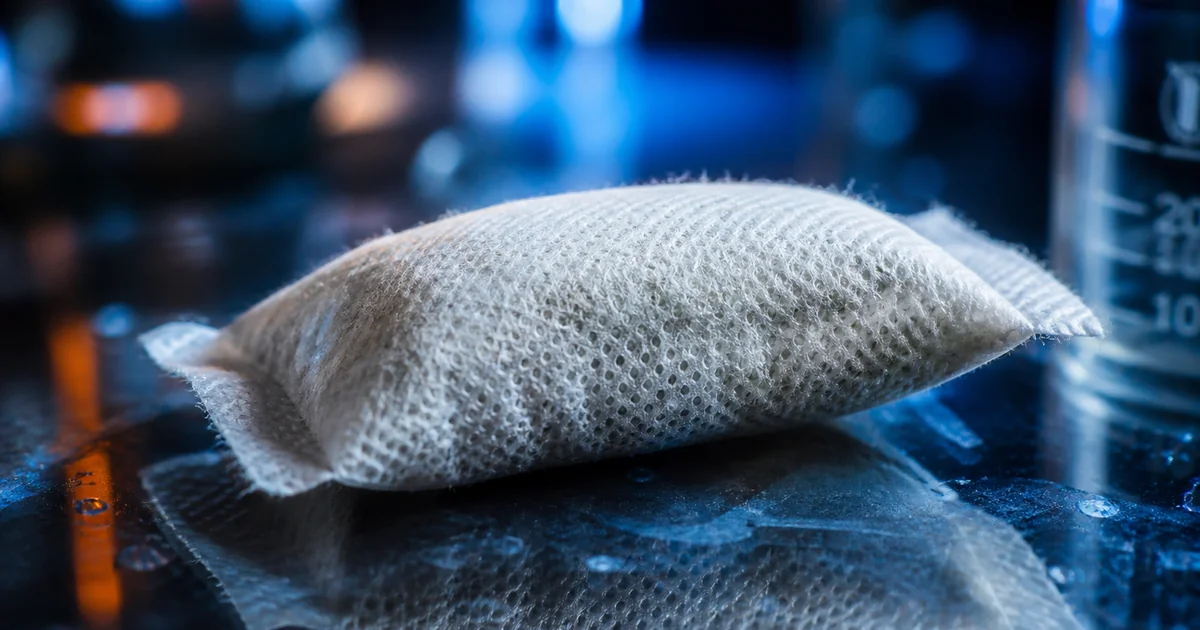
ZYN pouches sit against your gum tissue for up to an hour at a time. The material holding that nicotine is not just a neutral delivery system. Recent testing suggests the pouch fabric itself may be cellulose acetate, the same semi-synthetic material used in cigarette filters. This matters because cellulose acetate does not biodegrade easily and may shed microplastics directly into your mouth.
Why the Pouch Material Suddenly Matters
For years, everyone talked about the nicotine and ignored the pouch. It was just packaging, like the wrapper on candy. That changed in mid-2026 when journalists got hold of internal FDA emails and paid for independent testing of major pouch brands.
The testing was simple enough. Researchers burned pouch samples and analyzed the chemical fingerprint. Eleven brands went through this, ZYN included. Every result pointed to the same thing: a semi-synthetic cellulose that looks a lot like cellulose acetate. Not a natural plant fiber. A manufactured material made by treating cellulose with acetic acid.
You have seen cellulose acetate before. It is in photographic film, eyeglass frames, and most recognizably, cigarette filters. The chemistry itself is not the issue. The issue is what happens when this material sits in a warm, wet environment against absorbent tissue for an hour at a time.
What Cellulose Acetate Actually Is
Here is what cellulose acetate actually does. It starts as plant cellulose, which sounds wholesome enough. But the acetylation process changes it significantly. What you get is a thermoplastic that can be molded, shaped, and extruded into fibers.
Those fibers last. Too long, really. Cigarette filters made from cellulose acetate can sit in the environment for a decade or more. The material does not dissolve in water. It does not break down through normal microbial action. It just persists.
In nicotine pouches, this persistence becomes a health question. The pouch sits between gum and lip. Saliva soaks it. The gum tissue underneath is thin and full of blood vessels. If the material sheds microscopic particles, those particles have a straight path into your body.
The Microplastic Connection
Microplastics are plastic particles smaller than five millimeters. Scientists have found them in human blood, lungs, placentas, and brains. Health researchers are still figuring out what this means, but early studies suggest possible links to inflammation, cellular damage, and hormone disruption.
Cellulose acetate is not technically a petroleum plastic. It is a bioplastic, a semi-synthetic polymer. But functionally, it acts like other microplastic sources. It sheds particles. Those particles are small enough to cross biological barriers. And they stay in tissue rather than breaking down.
The testing that found cellulose acetate in nicotine pouches did not prove that microplastic shedding happens during normal use. But the concern is not baseless. Studies of cigarette filters, which use the same material, have documented microplastic release during smoking. Smoking involves different stresses than holding a pouch in your mouth, but the underlying material behaves similarly.
What the FDA Knew and When
The FDA authorized ZYN for sale via the PMTA pathway on January 16, 2025. Then on June 30, 2026, the agency issued a Modified Risk Tobacco Product (MRTP) designation, allowing ZYN to market with a modified risk claim saying that switching from cigarettes to ZYN reduces risk of certain diseases. These are two different authorizations for two different purposes. The MRTP designation was controversial because it rested on the idea that nicotine pouches are fundamentally safer than combustible tobacco.
What came out later was worse. Internal emails from FDA scientists, obtained through public records requests, showed that the agency did not know what the pouch material was when it issued the authorizations. Christy Leppanen, a toxicologist at the FDA's Center for Tobacco Products, wrote that she was "flabbergasted" to learn her superiors had approved the products without this basic information.
The FDA's official position is that its review "did not identify new or additional concerns about the ingredients." But this statement carefully avoids saying whether the agency actually looked at the pouch material specifically. The evidence suggests it did not.
Why This Matters for People Trying to Quit
If you are using ZYN to quit smoking, you have already made a choice that reduces your exposure to tar, carbon monoxide, and the thousands of chemicals in cigarette smoke. That choice still holds up. Combustible tobacco remains the most harmful way to use nicotine.
But harm reduction is not harm elimination. The question is whether you are trading one set of risks for another, and whether you are making that trade with full information. The cellulose acetate issue does not mean nicotine pouches are as dangerous as cigarettes. It means they might carry risks that were not properly assessed before the products hit the market.
For people actively trying to quit nicotine entirely, this information adds urgency. The goal is not to find the least harmful way to use nicotine forever. The goal is to be free of dependence. Every day of continued use, whatever the delivery method, extends exposure to both known and unknown risks.
What Happens When You Quit
The body starts recovering from nicotine exposure almost immediately. Within twenty minutes of your last pouch, heart rate and blood pressure start dropping toward normal levels. Within twelve hours, carbon monoxide levels in blood normalize, though this matters more for former smokers than pouch users.
The real changes happen over weeks and months. Circulation improves. Lung function increases. Heart attack risk starts dropping. These benefits add up regardless of what nicotine product you are leaving behind.
Withdrawal is hard but temporary. Most acute symptoms peak within three days and fade significantly within two weeks. Cravings may last longer, but they get weaker. The brain's nicotine receptors gradually downregulate, and the mental links between daily activities and nicotine use weaken with repetition.
Practical Steps If You Are Concerned
If the cellulose acetate issue worries you, you have options. The most direct response is to quit nicotine entirely. Apps like PouchOut provide structured support for this transition, with craving tracking, progress metrics, and community features that help you stay motivated through rough patches.
If you are not ready to quit completely, consider whether the specific product you are using is the best available option. Not all nicotine pouches use the same pouch material. Some brands use plant-based fibers that might carry different risk profiles. Research is limited, but you have options.
You can also reduce exposure by using fewer pouches per day, keeping each pouch in for shorter periods, and avoiding the habit of repositioning the same pouch repeatedly, which might increase mechanical shedding of particles.
The Bigger Picture
The ZYN cellulose acetate controversy fits a larger pattern. New nicotine products are often marketed for what they do not contain, smoke and tobacco leaf, rather than what they do. The absence of combustion genuinely matters for risk reduction. But it does not mean the products are inert or harmless.
Regulatory frameworks struggle to keep up with product innovation. The FDA's tobacco center was built around cigarettes and smokeless tobacco. Nicotine pouches occupy a gray area that does not fit neatly into existing categories. The result is authorization decisions made with incomplete information, followed by concerns when new data emerges.
For individual users, the lesson is to stay informed and skeptical. Marketing claims about safety are designed to keep you using, not to help you quit. The most reliable path to reduced risk is reduced use, ideally to zero.
Frequently Asked Questions
Is cellulose acetate the same as plastic?
Cellulose acetate is a semi-synthetic polymer, technically a bioplastic. It shares many properties with petroleum-derived plastics, including durability and resistance to biodegradation. Whether it behaves like microplastics in biological systems is still being studied.
Does ZYN officially disclose what their pouches are made of?
ZYN lists ingredients as nicotine, water, plant-based fibers, flavoring, and sweeteners. The specific identification of the pouch material as cellulose acetate comes from independent testing, not company disclosure.
Are all nicotine pouches made with cellulose acetate?
Testing has focused on major brands including ZYN. Results suggest cellulose acetate or similar semi-synthetic cellulose materials are common, but not universal. Some brands may use different materials.
Does this mean nicotine pouches are as dangerous as cigarettes?
No. Cigarettes involve combustion, which creates thousands of harmful chemicals not present in nicotine pouches. The concern is that pouches may carry risks that were not adequately assessed, not that they are equivalent to smoking.
Should I switch to nicotine gum or patches instead?
Nicotine replacement therapies like gum, patches, and lozenges have longer safety track records and do not involve pouch materials. They are generally considered lower risk for long-term use, though they are also less satisfying for many users, which affects quit success rates.
How long does it take to quit nicotine pouches?
Physical withdrawal symptoms typically peak within 72 hours and subside significantly within two weeks. Psychological cravings and habit associations may persist for months but become progressively easier to manage.
Related Articles
- ZYN Microplastics FDA Controversy
- How to Quit ZYN Without Withdrawal Symptoms
- Nicotine Pouch Side Effects Long Term
- ZYN Gum Recession Dental Health
- ZYN and Oral Cancer Risk
- Quitting ZYN While Pregnant
- ZYN Hidden Side Effects
- Truth About ZYN
The material holding your nicotine matters. Recent testing suggests ZYN pouches may contain cellulose acetate, the same persistent material used in cigarette filters. While nicotine pouches remain less harmful than smoking, this revelation highlights the importance of questioning product safety claims and considering the path to complete nicotine freedom. Download PouchOut for structured support in quitting nicotine pouches for good.