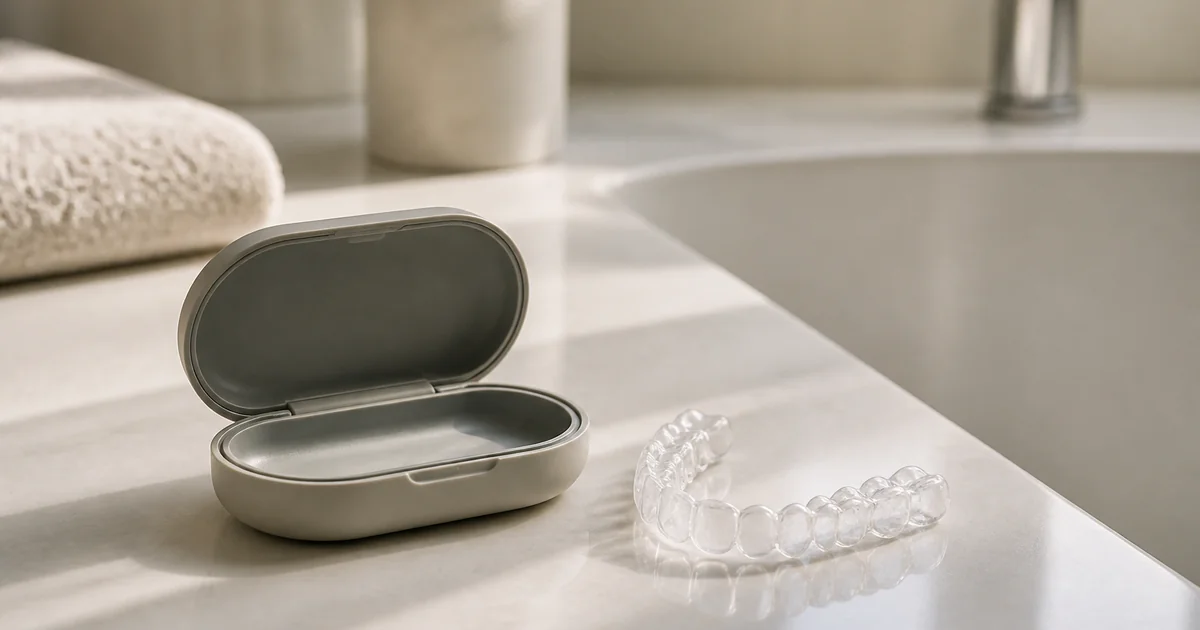
You sit in the orthodontist's chair for your Invisalign consultation, answering questions about your dental history and brushing habits. The conversation centers on tooth movement, treatment timelines, and whether you want clear aligners or traditional braces. You mention your coffee habit, your occasional wine consumption, even your history of grinding your teeth at night. But when the intake form asks about tobacco use, you check "no" without a second thought. ZYN is not tobacco, after all. It feels unrelated to straightening your teeth.
This is a common oversight among adults starting orthodontic treatment. Nicotine pouches like ZYN operate in a separate mental category from cigarettes or chewing tobacco. They do not stain teeth the way smoking does, and they do not require the same visible lifestyle adjustments. But active orthodontic treatment changes the oral environment in ways that make gum health and tissue stability more consequential than during normal dental maintenance. What feels like a minor detail may warrant a conversation you never considered having.
Why Orthodontic Treatment Changes the Disclosure Calculus
Braces and clear aligners do not simply push teeth into new positions. They rely on a biological process called bone remodeling, where pressure applied to teeth triggers controlled breakdown and rebuilding of the bone and periodontal ligament that hold teeth in place. This process requires healthy, stable gum tissue as a foundation. If the gums are irritated, inflamed, or receding, the mechanics of tooth movement become more complicated.
During routine dental care, gum health matters for long-term tooth retention and overall oral health. During active orthodontic treatment, gum health matters for whether the treatment can proceed as planned. Irritated tissue may respond differently to pressure. Areas of recession may complicate how teeth move or how stable they remain after treatment ends. The same gum concerns that might be a watch-and-wait situation during a standard cleaning become active variables during orthodontic work.
This distinction matters because many adults starting Invisalign or braces have already been using nicotine pouches for months or years without obvious dental consequences. Their general dentist may have noted mild gum irritation at cleanings, but nothing that required intervention. Orthodontic treatment raises the stakes in ways that make the same level of gum irritation more consequential to the outcome.
Why Pouch Placement Location Matters More During Treatment
Most nicotine pouch users develop habitual placement patterns, typically tucking the pouch in the same spot between the gum and lip each time. This consistent placement creates localized pressure and chemical exposure in one specific area of the gum tissue. For someone with healthy gums and no dental work, this may cause mild irritation that comes and goes without lasting effect.
During orthodontic treatment, this localized irritation interacts with hardware or aligners that already change the oral environment. Traditional braces with brackets and wires create additional surfaces that can rub against tissue and trap debris. Clear aligners fit snugly against the gumline for many hours each day. Adding a nicotine pouch to this environment means the same spot of gum tissue faces pressure from the pouch, potential friction from orthodontic equipment, and the chemical effects of nicotine and pouch ingredients all at once.
The combination does not necessarily cause problems, but it changes the risk profile in ways that are specific to orthodontic treatment. An area of gum tissue that might tolerate pouch use without issue during normal life may respond differently when that tissue is also adapting to the pressure of tooth movement and the presence of aligners or brackets.
The Clear Aligner Consideration
Invisalign and similar clear aligner systems present a distinct set of considerations. The aligners are worn for 20 to 22 hours per day, removed only for eating, drinking anything other than water, and oral hygiene. This creates two scenarios for nicotine pouch users, both worth discussing with an orthodontist.
First, some users remove their aligners to use a nicotine pouch, then replace the aligners afterward. This approach keeps the pouch separate from the aligner material, but it reduces the daily wear time of the aligners. Treatment success depends on consistent wear time. If pouch use leads to frequent aligner removal, it may extend treatment duration or affect outcomes.
Second, some users keep aligners in while using a nicotine pouch, placing the pouch between the aligner and the gum tissue. This maintains wear time but introduces questions about fit and hygiene. The aligner is designed to fit precisely against the teeth and gumline. Adding a pouch changes that fit in the placement area and may affect how the aligner applies pressure to the teeth beneath. It also raises questions about whether pouch ingredients interact with aligner material or whether residue accumulates in ways that affect oral hygiene.
These are genuine open questions rather than settled concerns. The interaction between nicotine pouches and clear aligners has not been extensively studied, and orthodontists may have varying perspectives based on their clinical experience. The point is not that one approach is correct, but that the question is worth raising rather than assuming it does not matter.
Why Your Orthodontist May Not Ask
General dentists typically ask about tobacco use as part of routine screenings for oral cancer and periodontal disease. The question is standard, expected, and often accompanied by visible educational materials about smoking and oral health. Orthodontists focus on a different set of concerns. Their intake conversations center on bite alignment, tooth spacing, jaw relationships, and treatment mechanics.
Nicotine pouches occupy a gray area that the orthodontic intake process may not explicitly address. The visible parts of orthodontic care, the brackets, wires, and aligner trays, are focused on tooth movement rather than periodontal risk factors. An orthodontist may ask about smoking because it affects healing and bone metabolism, but nicotine pouches are newer and less visible in clinical training and patient education materials.
This means the responsibility for disclosure may fall on you as the patient. Your orthodontist cannot factor in information they do not have. If you use nicotine pouches daily, this is relevant context for understanding your gum health baseline and monitoring changes during treatment. Waiting to be asked may mean the conversation never happens.
What to Actually Do
The practical approach is straightforward. When starting orthodontic treatment, mention your ZYN or nicotine pouch use directly to your orthodontist or the treatment coordinator. Do not wait for a specific question. Frame it as information that might be relevant to your gum health during treatment.
Ask specific questions based on your treatment type. If you are getting traditional braces, ask whether pouch placement location matters relative to where brackets will sit. If you are starting clear aligners, ask about the tradeoffs between removing aligners for pouch use versus keeping them in, and whether your orthodontist has observed any issues with aligner fit or hygiene related to pouch use in other patients.
Treat this as ongoing disclosure rather than a one-time mention. Your gum health will be monitored at regular check-ins throughout treatment. If you notice changes in gum sensitivity, recession, or irritation in the area where you typically place pouches, mention this specifically. Your orthodontist can adjust treatment planning or refer you to a periodontist if gum health becomes a limiting factor.
If you are considering quitting or reducing nicotine pouch use, orthodontic treatment is a reasonable time to do so. The combination of treatment cost, the desire for optimal outcomes, and the heightened attention to oral health creates a natural window for behavior change. PouchOut provides structured support for people looking to quit nicotine pouches specifically, with tracking tools and strategies designed around pouch use patterns rather than smoking cessation models.
The Bottom Line
Adult orthodontic treatment represents a significant investment of time and money. The goal is not just straighter teeth but stable, healthy outcomes that last. Nicotine pouch use is not a contraindication for braces or aligners, but it is a factor that your orthodontist should know about. The localized gum irritation that pouches can cause interacts with orthodontic treatment in ways that may affect tissue response, treatment planning, and long-term stability.
The conversation does not need to be complicated. Simply mentioning your daily ZYN use at your next appointment gives your orthodontist information they can use to monitor your gum health more effectively and adjust recommendations if needed. For more on how nicotine pouches affect gum health generally, see our guides on ZYN and gum health and gum recession risks. The goal is not to alarm but to ensure your treatment proceeds with full information about factors that may influence the outcome.