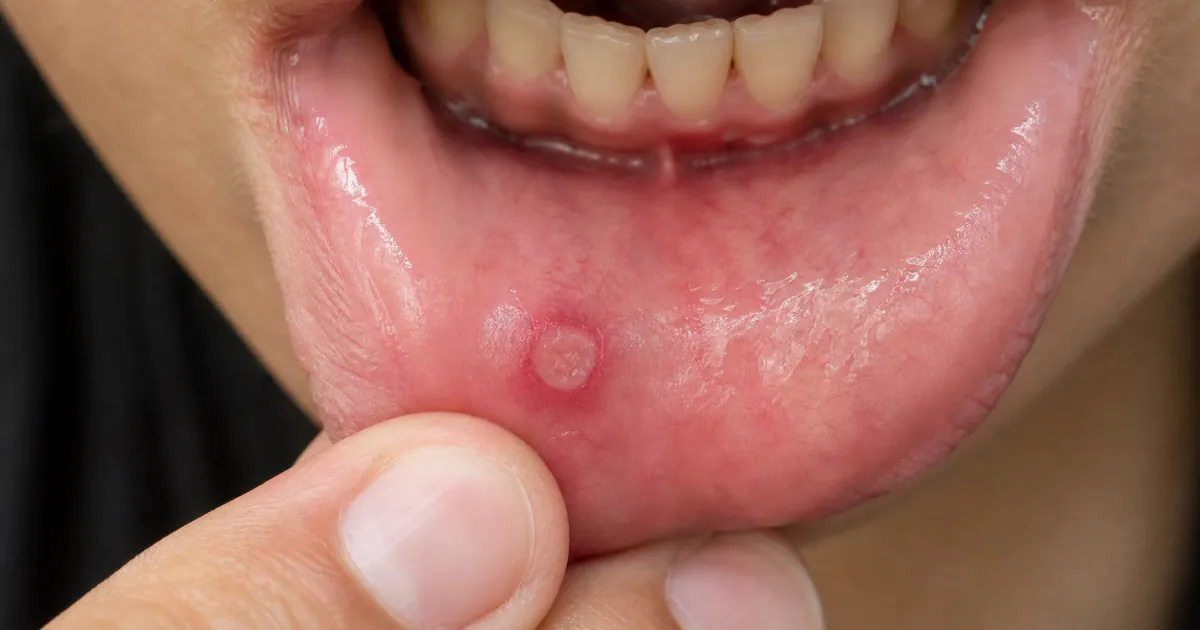
You notice a painful spot inside your lip, on your gum, or under your tongue. It is small, round, white or yellow in the center with a red border. Eating hurts. Talking hurts. Even smiling hurts. You have been using Zyn regularly, and now you are wondering if the two are connected.
They are. Nicotine pouches can cause canker sores, also called aphthous ulcers or mouth ulcers. The irritation comes from multiple sources: the nicotine itself, the alkaline pH of the pouches, the mechanical friction of the material against your soft tissue, and the localized dehydration nicotine causes.
Canker sores are not dangerous. They are not contagious. They are not a sign of serious illness. But they are painful, and they can make using nicotine pouches uncomfortable enough that you consider quitting. That might be the best outcome.
Here is why Zyn causes canker sores, how to distinguish them from cold sores, how to prevent and treat them, and how quitting resolves the problem permanently.
Dealing with mouth irritation from Zyn? PouchOut helps you track symptoms and quit nicotine pouches for good. Download PouchOut and protect your oral health.
Why Nicotine Pouches Cause Canker Sores
Canker sores develop when the delicate mucous membranes inside your mouth are irritated or damaged. Nicotine pouches create this irritation through several mechanisms.
Nicotine irritation: Nicotine is a chemical irritant. When concentrated against the soft tissue of your lip or gum for extended periods, it causes localized inflammation. This inflammation can trigger the formation of canker sores, especially if you are already prone to them.
pH imbalance: Nicotine pouches are alkaline, with a pH significantly higher than the neutral environment of healthy mouth tissue. Prolonged exposure to this alkaline pH disrupts the natural balance of your oral mucosa, making it more susceptible to breakdown and ulcer formation.
Mechanical friction: The pouch material itself, even when moistened, creates friction against your soft tissue. This is particularly true if you keep the pouch in the same location repeatedly, causing repeated trauma to the same spot.
Localized dehydration: Nicotine reduces blood flow and saliva production in the area where the pouch sits. This creates a dry, irritated environment that heals more slowly and is more prone to developing sores.
Flavor additives: Some users report that mint and menthol flavors cause more irritation than unflavored or other varieties. The cooling agents and flavoring compounds may contribute to tissue irritation in sensitive individuals.
Canker Sores vs. Cold Sores: The Critical Distinction
Many people confuse canker sores with cold sores. Understanding the difference matters for treatment, contagiousness, and understanding what Zyn is doing to your mouth.
Canker sores (aphthous ulcers):
- Location: Inside the mouth, on soft tissue (inner lips, cheeks, tongue, gums, soft palate)
- Appearance: Round or oval, white or yellow center, red border
- Contagious: No, cannot be spread to others
- Cause: Local irritation, stress, nutritional deficiencies, immune factors
- Zyn connection: Directly caused or worsened by nicotine pouch use
Cold sores (fever blisters, herpes simplex virus):
- Location: Outside the mouth, on or around lips, sometimes under nose or chin
- Appearance: Clusters of fluid-filled blisters that crust over
- Contagious: Yes, caused by herpes simplex virus type 1
- Cause: Viral infection, triggered by stress, illness, sun exposure
- Zyn connection: Not directly caused by Zyn, though stress from withdrawal might trigger outbreaks
If your sores are inside your mouth, they are canker sores. If they are on your lips or face, they are cold sores. Zyn causes the former, not the latter.
Prevention Strategies
The best approach to Zyn-related canker sores is preventing them from forming.
Rotate placement: Do not keep pouches in the same spot repeatedly. Move them to different areas of your mouth: upper lip, lower lip, left side, right side. This distributes irritation rather than concentrating it.
Lower strength: Higher nicotine concentrations cause more irritation. If you are using 6mg pouches, try switching to 3mg. The reduced chemical load is less likely to trigger sores.
Limit duration: Do not keep a single pouch in for longer than the recommended time. Extended exposure increases irritation risk.
Stay hydrated: Drink water regularly. Good overall hydration supports oral tissue health and healing.
Consider flavor changes: If you notice more sores with mint or menthol flavors, try unflavored or other varieties. Individual sensitivity to flavoring agents varies.
Oral hygiene: Brush gently with a soft-bristled toothbrush. Avoid alcohol-based mouthwashes, which can further irritate tissue. Use a salt water rinse after removing pouches to promote healing.
Healing Timeline and Treatment
If you already have a canker sore, here is what to expect and how to help it heal.
Timeline:
- Days 1-3: Sore is most painful, appears white or yellow with red border
- Days 4-7: Pain decreases, size begins to shrink
- Days 7-14: Sore heals completely, tissue returns to normal
Most canker sores resolve within 7-14 days without treatment. Larger sores may take longer.
Home remedies:
- Salt water rinses: Dissolve half a teaspoon of salt in warm water, swish for 30 seconds, spit. Do this 3-4 times daily. Salt promotes healing and reduces bacterial load.
- Baking soda paste: Apply a small amount of baking soda mixed with water directly to the sore. This neutralizes acid and may speed healing.
- Avoid irritants: Spicy, acidic, or crunchy foods can worsen pain. Choose soft, bland foods while healing.
- Over-the-counter treatments: Products containing benzocaine or hydrogen peroxide can provide temporary pain relief and promote healing.
What not to do:
- Do not pop or pick at the sore
- Do not apply aspirin directly (this causes chemical burns)
- Do not continue placing pouches directly on the sore
- Do not use alcohol-based mouthwashes
Does Switching Sides of Your Mouth Help?
Yes, rotating pouch placement helps prevent canker sores and allows existing sores to heal.
When you keep pouches in the same location repeatedly, you create a chronic irritation zone. The tissue never fully recovers between uses. This cumulative damage makes canker sores more likely.
By switching sides and locations, you give irritated tissue time to heal. If you develop a sore on your left lower lip, move pouches to your right side or upper lip until it heals.
However, rotating placement is a management strategy, not a solution. The only permanent fix is quitting. As long as you continue using nicotine pouches, you remain at risk for recurrent canker sores.
When to See a Dentist or Doctor
Most Zyn-related canker sores are harmless and heal on their own. Certain situations warrant professional evaluation.
See a healthcare provider if:
- A sore lasts longer than 3 weeks without healing
- Sores are unusually large (more than 1 centimeter)
- You develop multiple sores simultaneously that merge together
- Pain is severe enough to prevent eating or drinking
- You have fever or other systemic symptoms
- Sores appear after you have quit nicotine (unrelated to current use)
These situations may indicate underlying conditions that need treatment, such as immune disorders, nutritional deficiencies, or other oral health issues.
Can Zyn Cause Permanent Mouth Damage?
For most users, Zyn-related canker sores are temporary and heal without lasting damage. However, chronic use creates ongoing risks.
Potential long-term concerns:
- Gum recession from repeated irritation
- Changes to oral tissue texture and appearance
- Increased risk of gum disease due to localized immune suppression
- Delayed healing of oral wounds
These risks increase with duration and intensity of use. Heavy daily users over many years face greater potential for permanent changes than occasional users.
The good news: most damage is reversible after quitting. Oral tissue heals remarkably well when irritation stops. Gum tissue can regenerate. Mucous membranes recover their normal texture and function.
Quitting is the only way to eliminate the risk of permanent damage entirely.
More PouchOut Resources
- How to Quit Zyn: The Complete 2026 Guide
- Nicotine Pouch Side Effects: Long-Term Health Risks
- Zyn Nausea: Why Nicotine Pouches Make You Sick
- Zyn Hiccups: Why Nicotine Pouches Make You Hiccup
- Quitting Zyn Without Gaining Weight: Your Appetite Management Guide
How Quitting Resolves Canker Sores Permanently
The only permanent solution to Zyn-related canker sores is quitting nicotine pouches entirely.
When you quit, several things happen:
Immediate: Irritation stops. No new pouches means no new chemical or mechanical irritation. Existing sores can heal without interference.
Weeks 1-4: Oral tissue begins recovering. Blood flow normalizes. Saliva production balances. Any existing canker sores heal completely.
Months 2-6: Gum tissue health improves. Oral microbiome rebalances. Tissue texture and color return to normal baseline.
Long-term: Risk of recurrent canker sores drops to normal population levels. You may still get occasional canker sores from stress or other triggers, but Zyn will no longer be the primary cause.
Many former users report that chronic mouth irritation they accepted as normal was actually caused by their nicotine pouch habit. After quitting, they are surprised by how comfortable their mouths feel.
Frequently Asked Questions
Does switching sides of your mouth help prevent canker sores?
Yes. Rotating pouch placement distributes irritation and gives tissue time to heal. However, this is a management strategy, not a permanent solution. Quitting eliminates the cause entirely.
How long until canker sores heal?
Most canker sores heal within 7-14 days. Larger sores may take longer. Healing slows if you continue placing pouches on or near the sore.
Do salt water rinses speed healing?
Yes. Salt water rinses reduce bacterial load, promote tissue repair, and provide mild pain relief. Rinse 3-4 times daily with warm salt water.
What is the difference between canker sores and cold sores?
Canker sores appear inside the mouth, are not contagious, and are caused by local irritation. Cold sores appear on or around the lips, are contagious, and are caused by the herpes simplex virus. Zyn causes canker sores, not cold sores.
Can Zyn cause permanent mouth damage?
Chronic heavy use may cause gum recession, tissue changes, and increased gum disease risk. However, most damage is reversible after quitting. Oral tissue heals well when irritation stops.
Nicotine pouches like Zyn can cause canker sores through mucous membrane irritation, pH imbalance, and mechanical friction. Canker sores are not contagious and appear inside the mouth, unlike cold sores which appear on the lips. Most sores heal within 7-14 days, and quitting nicotine pouches eliminates the cause permanently.