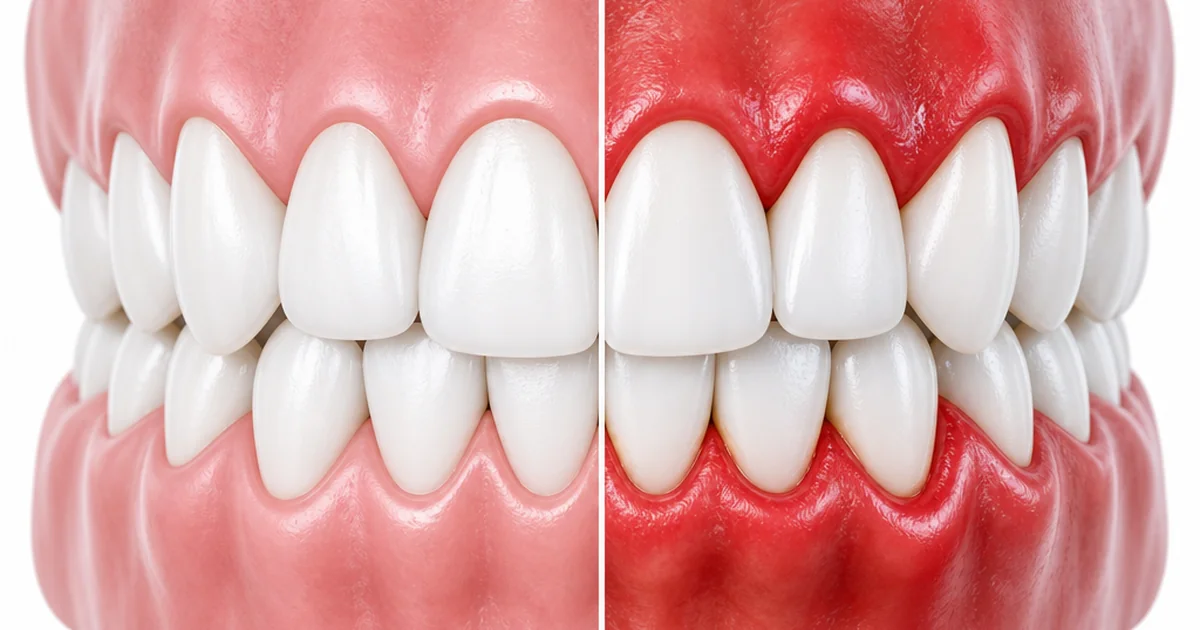
Nicotine pouches sit against your gum tissue for 30 to 60 minutes at a time. That direct contact has dentists concerned about gum recession, tissue irritation, and long-term oral health damage. Here's what the research actually shows about ZYN and your gums.
What Most People Get Wrong About ZYN and Oral Health
Most people assume nicotine pouches are harmless to your mouth because they don't contain tobacco leaf. That's a dangerous misconception. While ZYN eliminates many of the carcinogens found in traditional smokeless tobacco, the nicotine content and the physical presence of the pouch itself create their own set of oral health risks.
Your gum tissue is delicate. It isn't designed to have foreign objects pressed against it for extended periods, especially not objects containing chemicals that constrict blood vessels and alter tissue metabolism. The combination of mechanical pressure and pharmacological effects creates a perfect storm for gum problems.
How Nicotine Affects Your Gum Tissue
Nicotine is a vasoconstrictor. It narrows your blood vessels and reduces blood flow to the tissues it contacts. When you place a ZYN pouch between your lip and gum, the nicotine begins constricting the capillaries in your gum tissue within minutes.
Reduced blood flow means reduced oxygen and nutrient delivery. Your gum tissue needs a constant supply of both to maintain its health and repair itself from daily wear. When that supply gets choked off repeatedly, the tissue becomes vulnerable. It heals more slowly. It becomes more susceptible to inflammation and infection.
Dentists who regularly examine patients who use nicotine pouches often report seeing pale gum tissue in the areas where pouches are typically placed. That pallor is a visual sign of reduced blood flow. It's also a warning sign that the tissue isn't getting what it needs to stay healthy.
The Gum Recession Connection
Gum recession occurs when the gum tissue that surrounds your teeth pulls back or wears away, exposing more of the tooth or the tooth's root. Once gum tissue recedes, it doesn't grow back. The damage is permanent.
Nicotine pouches contribute to gum recession in several ways. First, the mechanical irritation of placing a pouch in the same spot repeatedly can physically wear down the gum tissue. Second, the reduced blood flow from nicotine exposure weakens the tissue's ability to maintain itself. Third, the inflammation that often results from chronic irritation can trigger the tissue to pull away from the tooth.
Dental professionals are increasingly seeing patterns of localized gum recession that correspond exactly to where patients place their nicotine pouches. The recession isn't random. It follows the habit.
What the Research Actually Shows
A 2025 study published in the Journal of Public Health Dentistry examined oral health outcomes among regular nicotine pouch users. The researchers found significantly higher rates of gum inflammation and early-stage gum disease among users compared to non-users. The risk increased with frequency of use and duration of exposure.
Another study from the CDC Foundation noted that nicotine pouch use among young adults has surged, nearly quadrupling between 2022 and 2025. That surge has brought a wave of oral health complaints to dental offices, particularly from younger patients who assumed these products were harmless.
The FDA's authorization of 20 ZYN products in early 2025 was based on the products being "appropriate for the protection of public health" when compared to cigarettes. That comparison doesn't mean the products are harmless. It means they are less harmful than smoking. Your gums still pay a price.
Signs Your Gums Are Suffering
Your gums will tell you when something is wrong if you know what to look for. Early warning signs of nicotine pouch damage include persistent redness in the area where you place your pouches, tenderness or sensitivity when brushing or flossing, bleeding during oral care, and a pulling back of the gum line that exposes more tooth surface.
Some users also report dry mouth, which compounds the problem. Saliva is your mouth's natural defense mechanism. It washes away bacteria and neutralizes acids. When nicotine reduces saliva production, your oral environment becomes more hostile to gum tissue.
If you notice any of these symptoms, they aren't normal. They're signals that your gum tissue is under stress and needs relief.
Can the Damage Be Reversed?
Here's the hard truth about gum recession: it's permanent. Once your gums have receded, they don't grow back on their own. Mild cases can sometimes be managed with improved oral care and professional cleanings. Moderate to severe cases may require surgical intervention like gum grafts.
The good news is that stopping nicotine pouch use can halt the progression of damage. Your gum tissue won't magically regenerate, but removing the source of irritation and restoring normal blood flow gives your remaining tissue a chance to stabilize and heal.
Dentists consistently report that patients who quit nicotine pouches see improvements in gum color, reduced inflammation, and better overall oral health within weeks to months. The tissue responds quickly once the assault stops.
Protecting Your Oral Health While Quitting
If you're using ZYN or other nicotine pouches and are concerned about your gum health, there are steps you can take while working toward quitting. Rotate placement locations rather than using the same spot repeatedly. This distributes the mechanical irritation and gives different areas time to recover.
Maintain excellent oral hygiene. Brush twice daily with a soft-bristled brush. Floss every day. Use an alcohol-free mouthwash to avoid additional drying. Stay hydrated to support saliva production.
Most importantly, see your dentist regularly. Professional cleanings remove plaque and tartar that contribute to gum disease. Your dentist can also spot early signs of recession and intervene before the damage becomes severe.
The Emotional Journey of Gum Health Recovery
Quitting nicotine pouches isn't just about avoiding future damage. It's about reclaiming your oral health and the confidence that comes with it. Many users report feeling self-conscious about the appearance of their gums or worrying about bad breath caused by gum inflammation.
The first week after quitting, you may notice increased sensitivity as your gum tissue begins to recover normal blood flow. That sensitivity is actually a positive sign. It means the tissue is waking up and healing. Within a month, most former users report that their gums look and feel healthier. The redness fades. The bleeding stops.
By the three-month mark, your gum tissue will have undergone significant healing. The tissue that remains will be stronger and more resilient. You'll have stopped the progression of recession and given your mouth a chance to stabilize.
Why PouchOut Helps With the Quitting Process
Quitting nicotine pouches is harder than most people expect. The habit is deeply ingrained. You reach for a pouch during stress, during work, during social situations. Breaking that pattern requires more than willpower. It requires a system.
PouchOut is designed specifically for people who want to quit nicotine pouches. It tracks your usage patterns, helps you identify triggers, and provides structured support through the withdrawal timeline. The app recognizes that quitting isn't a single decision but a series of small victories strung together.
What sets PouchOut apart is its focus on the unique challenges of nicotine pouch cessation. Unlike generic quit-smoking apps, it understands the specific patterns and triggers that come with pouch use. It provides targeted strategies for the moments when cravings hit hardest.
FAQ: ZYN and Your Gum Health
How quickly can ZYN cause gum recession?
Gum recession from nicotine pouch use typically develops over months to years, not days. However, early signs like inflammation and tissue color changes can appear within weeks of regular use. The speed of damage depends on how often you use pouches, where you place them, and your individual oral health.
Will my gums grow back if I quit ZYN?
Unfortunately, gum tissue that has receded does not grow back naturally. However, quitting stops further damage and allows your remaining gum tissue to heal and stabilize. In cases of severe recession, dental procedures like gum grafts can restore lost tissue.
Is ZYN worse for your gums than smoking?
ZYN eliminates many of the carcinogens found in cigarettes, but the direct contact with gum tissue creates risks that smoking does not have. Cigarette smoke affects oral health through inhalation, while nicotine pouches sit directly against the gum tissue for extended periods. Both carry risks, but the specific risk of localized gum recession is higher with pouches due to the direct contact mechanism.
Can I reverse gum damage by switching pouch placement?
Rotating pouch placement can help distribute irritation and prevent concentrated damage in one area, but it does not reverse existing recession. Once gum tissue has receded, it will not grow back regardless of where you place subsequent pouches. The only way to stop progression is to quit entirely.
How do I know if my gums are already damaged from ZYN?
Signs of gum damage include visible recession where the gum line has pulled back from teeth, persistent redness or inflammation in the area where you place pouches, bleeding when brushing or flossing, increased tooth sensitivity, and pale gum tissue compared to surrounding areas. A dentist can provide a definitive assessment.
Will my dentist know I use nicotine pouches?
Yes, dentists can usually identify nicotine pouch use through examination. They look for localized irritation, tissue color changes, and recession patterns that correspond to typical pouch placement locations. Being honest with your dentist allows them to provide better care and monitor for problems early.
What is the best way to quit ZYN to protect my gums?
The best approach is a structured cessation plan that addresses both the physical nicotine addiction and the behavioral habit. Apps like PouchOut provide tracking, trigger identification, and support specifically designed for nicotine pouch users. Combining app support with dental checkups gives you the best chance of quitting successfully while monitoring your gum health recovery.
Related Articles
- Understanding the NRT vs ZYN Comparison
- How ZYN Causes Fatigue and Low Energy
- Dealing with ZYN Headaches During Withdrawal
- ZYN Stomach Issues and Digestive Problems
- Velo vs ZYN: Why I Quit Pouches
Take Control of Your Oral Health
Your gums are worth protecting. The damage from nicotine pouches is real, but it is also preventable and stoppable. Every day without a pouch is a day your gum tissue gets a chance to heal and recover.
Download PouchOut today and start your journey toward better oral health and a nicotine-free life. Your future self will thank you.
[APP_STORE_LINK]