Hours into a long flight, using ZYN steadily can feel like an easy way to handle boredom and travel stress. The concern is the overlap: nicotine affects circulation and clotting, while prolonged immobility and dehydration already raise DVT risk. Pouches have not been studied specifically in this setting, so caution is warranted without claiming proof that ZYN causes flight-related clots.
The long-flight routine that deserves a second look
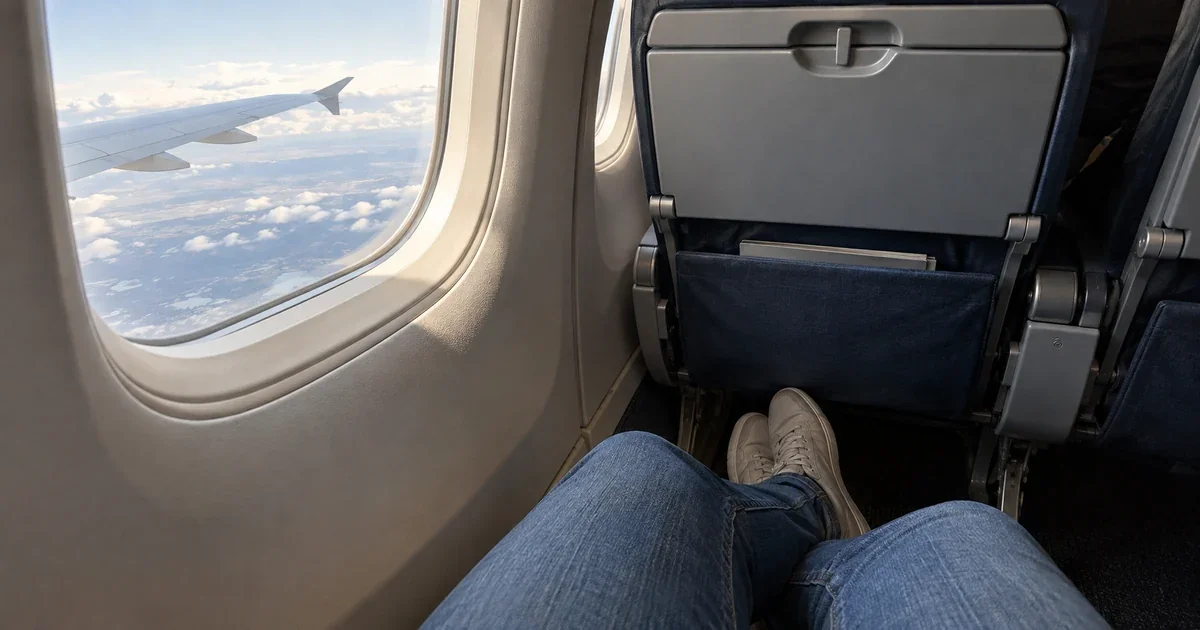
Picture a traveler settled into a window seat. The bag is stowed, the screen is on, and another pouch goes in whenever the previous one comes out. Hours pass. The traveler drinks little water, rarely leaves the seat, and treats ZYN as part of getting through the flight.
Nothing about that routine feels dramatic. Yet long flights are an established DVT risk factor, driven by prolonged immobility and dehydration. Nicotine brings separate circulatory and clotting effects. When steady pouch use and motionless stretches happen together, two known risk pathways overlap.
For rules, packing, and withdrawal planning, read our guide to flying with ZYN and handling long flights. The focus here is different. This is about circulation and clotting risk.
What DVT is and why it matters
Deep vein thrombosis, usually shortened to DVT, is a blood clot that forms in a deep vein, typically in the leg. It can become dangerous if it travels to the lungs and causes a pulmonary embolism.
The risk of a clot reaching the lungs is why prevention and awareness matter. On a long flight, passengers may remain seated for an extended period while becoming dehydrated. This travel-related risk is sometimes called "economy class syndrome."
Three ways nicotine contributes to clotting risk
Nicotine contributes to DVT risk through three mechanisms at the same time. Looking at them separately makes the overlap with flying easier to understand.
1. Blood vessel constriction
Nicotine causes blood vessels to constrict and reduces circulation. That matters when a passenger is already spending hours with limited movement. Our guide to ZYN, blood pressure, and cardiovascular effects provides broader context.
2. Increased platelet stickiness
Nicotine increases platelet stickiness, making clots more likely to form. This does not prove that ZYN use on a plane causes DVT, but it explains why nicotine is relevant in a setting already associated with clot risk.
3. Endothelial dysfunction
Nicotine damages the inner lining of blood vessels, an effect called endothelial dysfunction. This is the third route by which nicotine contributes to DVT risk. The three mechanisms sit alongside flight-related immobility and dehydration.
For more on the wider cardiovascular picture, see our ZYN cardiovascular health guide.
What the WRIGHT project found about long flights
The WHO-affiliated WRIGHT project was led by Dr. Frits Rosendaal at Leiden University. It found that a passenger on a long-haul flight has roughly a 1 in 4,500 chance of developing this type of blood clot.
The project also found that flights longer than 12 hours carry meaningfully higher risk than flights under 4 hours.
A 1 in 4,500 chance is not a reason to assume a clot will happen on your next trip. It supports caution, not panic. The project does not provide a ZYN-specific estimate or say how much pouch use changes the number.
Other flight-related factors identified by WRIGHT
The WRIGHT research identified several other factors connected with flight-related DVT risk:
- Taking multiple flights within a short period
- Having a body mass index over 30
- Being unusually tall or unusually short
- Drinking enough alcohol to sleep deeply and remain still for hours
A traveler may use pouches, drink enough alcohol to sleep deeply, and remain still for hours. That combines nicotine's known effects with one of the flight-related risk factors identified by the project. Our guide to ZYN and alcohol covers that pairing.
What we can say about ZYN, and what we cannot
Nicotine pouches specifically have not been studied for DVT risk on flights. There is no pouch-specific flight statistic in the evidence supplied for this article.
It would be inaccurate to say that a study has calculated the risk of using ZYN at cruising altitude. What we can say is that nicotine's cardiovascular effects and flight-related immobility are independently established risk factors. It is reasonable to think of them as compounding. That is not the same as a measurement in pouch users.
Movement should be part of the plan
If a long flight already involves prolonged immobility, movement is the most direct behavior to address. Do not let a movie, deep sleep, or an automatic pouch routine turn the entire journey into one uninterrupted sitting session.
Plan to move when it is safe and permitted. The goal is to reduce long, passive stretches. Treat movement as part of the itinerary rather than something you might remember later.
Hydration deserves the same attention
Dehydration is another driver of flight-related DVT risk. Make water part of the flight plan before the cabin routine takes over.
Do not spend the journey ignoring thirst while using nicotine and remaining still. Our ZYN dehydration and hydration guide provides more context.
Alcohol deserves particular caution because the WRIGHT project identified drinking enough to sleep deeply and remain motionless for hours as a flight-related risk factor. The issue in that scenario is not simply the drink. It is the long period of stillness that follows.
What about compression options
Compression options may be part of long-flight planning, especially when additional risk factors apply. Do not guess from a generic checklist. Discuss your personal DVT risk and whether compression is suitable with a healthcare professional before flying.
Make pouch use visible instead of automatic
The scenario at the start is risky partly because it runs on autopilot. A new pouch goes in because another hour has passed, while movement and water barely register.
Tracking use can interrupt that pattern. PouchOut helps you see how often you use ZYN and what triggers each pouch. On a flight, boredom, stress, disrupted routines, and easy access to the can can all turn use into background behavior.
If you discover that the can is driving the schedule, our guide to how much ZYN is too much can help you examine frequency. If travel makes you consider cutting back, the nicotine pouch withdrawal timeline explains what that process can involve.
Frequently asked questions
Does ZYN cause DVT on flights
Nicotine pouches specifically have not been studied for DVT risk during flights. The evidence supports a more careful statement: nicotine has known cardiovascular and clotting effects, while prolonged flight-related immobility and dehydration independently raise DVT risk. Those factors would reasonably compound, but there is no ZYN-specific flight risk estimate.
How common are flight-related blood clots
The WHO-affiliated WRIGHT project, led by Dr. Frits Rosendaal at Leiden University, found roughly a 1 in 4,500 chance for a passenger on a long-haul flight. It also found meaningfully higher risk on flights longer than 12 hours compared with flights under 4 hours.
Why does nicotine matter for clotting
Nicotine contributes through three separate mechanisms: it constricts blood vessels and reduces circulation, increases platelet stickiness, and damages the inner lining of blood vessels. These effects are relevant when prolonged sitting and dehydration are already part of the travel setting.
Should I panic if I used ZYN on a plane
No. The evidence does not show that using a pouch on a flight means a clot will occur. The useful response is deliberate planning, not panic. Pay attention to movement and hydration, recognize personal risk factors, and seek individualized medical guidance if you are concerned about your risk.
What should I change before my next long flight
Plan movement and hydration instead of leaving them to chance. Consider whether alcohol may cause you to sleep deeply and remain still for hours. If compression options or personal risk factors are a concern, talk with a healthcare professional before traveling.
The bottom line
The ZYN blood clot question on long flights requires careful wording. Pouches have not been studied specifically for in-flight DVT risk. Nicotine's effects on vessels, platelets, and the vessel lining are established, and long-flight immobility and dehydration are established risks too. It is reasonable to treat their overlap with extra caution.
That does not mean panicking on your next flight. It means refusing to let hours of pouch use, little water, and almost no movement become the default. Know which personal risk factors apply, make movement and hydration deliberate, and get medical guidance when compression or individual risk needs a personal assessment.
If you want to reduce how automatically nicotine fits into travel, start with the PouchOut quit ZYN guide and download PouchOut to track your use and build a plan.