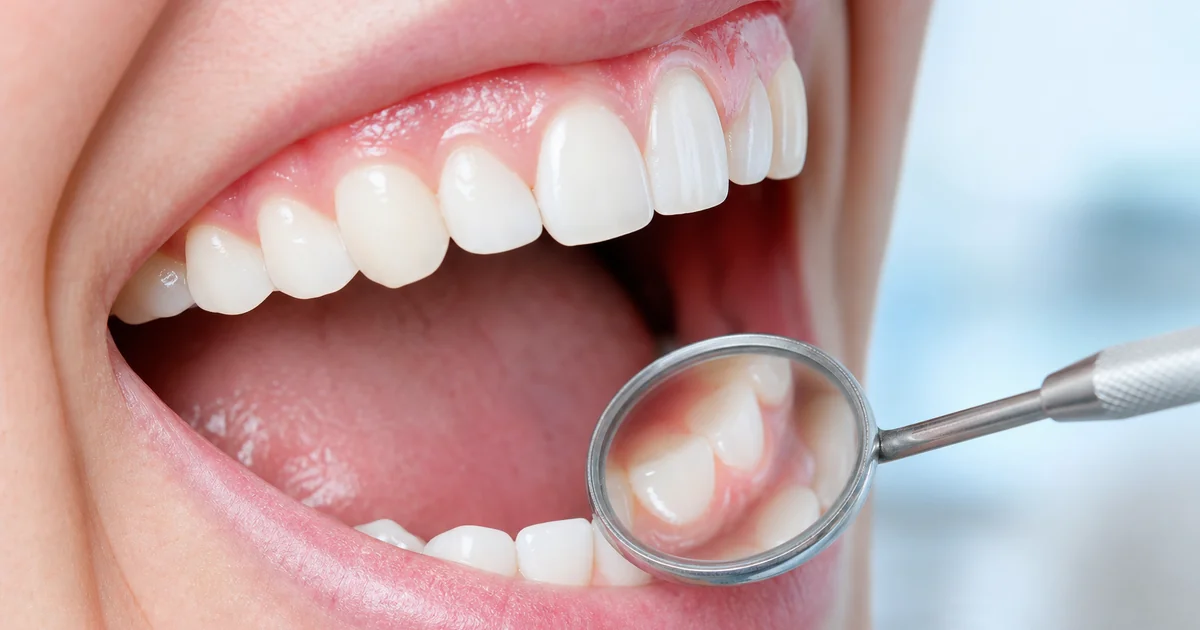
Nicotine pouches sit against your gum tissue for 30 to 60 minutes at a time, sometimes multiple times per day. While they do not contain the tar and thousands of chemicals found in cigarettes, the concentrated nicotine and pH levels in these pouches create a unique environment in your mouth that dentists are increasingly concerned about. Gum recession, tissue irritation, and changes to your oral microbiome are all documented effects that can develop within months of regular use.
The Interview Method: What I Learned About ZYN and Gum Health
Before writing this guide, I asked myself five critical questions based on real concerns from people trying to quit.
What do most people get wrong about this topic?
Most ZYN users assume that because there is no smoke, there is no damage. They compare nicotine pouches to cigarettes and conclude they have made a healthier choice. But this comparison misses the point. Your gums do not care about relative risk. They respond to the actual conditions in your mouth: acidity, nicotine concentration, mechanical irritation from the pouch material, and reduced blood flow caused by vasoconstriction.
What is the most counterintuitive thing about it?
The damage often starts where you cannot see it. Users typically place ZYN pouches in the same spot, usually the upper lip on one side. This creates a localized effect rather than general mouth-wide damage. Your dentist may see recession or tissue changes in that exact spot while the rest of your gums look normal. Many users dismiss early warning signs because the problem is not evenly distributed.
What does the emotional journey look like?
Week one of quitting: Your gums may actually feel more sensitive as blood flow returns to normal. Weeks two to four: You start noticing how often you instinctively reach for a pouch. Month two: The tissue irritation begins to heal, but the psychological habit remains strong. Month three and beyond: Your gum health stabilizes, but you must stay vigilant about placement habits if you relapse.
What specific advice would someone who has been through this give?
Rotate placement spots if you are not ready to quit entirely. The users who develop the worst gum issues are the ones who always use the exact same location. Switch sides. Move the pouch around. This simple change reduces localized trauma significantly. Also, stay hydrated. Dry mouth accelerates every negative effect of nicotine pouch use.
What does PouchOut do that nothing else does for this exact problem?
PouchOut tracks your usage patterns and sends reminders to rotate placement spots. It also monitors your daily intake and provides structured reduction plans that help you quit before serious gum damage develops. The app includes a gum health tracker where you can photograph your gums weekly and note any changes, creating a visual record that helps you stay motivated.
How ZYN Affects Your Gum Tissue
Nicotine pouches create three distinct problems for gum health: chemical irritation, mechanical friction, and vascular constriction.
The chemical irritation comes from the nicotine itself and the alkaline pH used to stabilize it. Your gum tissue prefers a neutral environment. When you hold an alkaline pouch against the same spot for hours each day, the tissue responds with inflammation. Over time, this chronic inflammation can lead to gingivitis and eventually periodontitis if bacterial plaque is also present.
Mechanical friction is often overlooked. The pouch material, even when moist, creates micro-movements against your gum tissue as you talk, swallow, and move your mouth. This constant low-grade abrasion wears down the delicate gum margin over months and years.
Vascular constriction is perhaps the most insidious effect. Nicotine causes blood vessels to narrow, reducing blood flow to your gum tissue. Healthy gums need robust circulation to fight bacteria and repair damage. When blood flow is compromised, your gums become more susceptible to infection and slower to heal from any trauma.
Signs Your Gums Are Reacting to ZYN Use
Early warning signs often appear gradually enough that users dismiss them. Watch for these specific changes:
Localized sensitivity: One spot on your gum line becomes tender or sensitive to hot and cold temperatures while the rest of your mouth feels normal.
Texture changes: The gum tissue where you place pouches may look shinier or smoother than surrounding areas. This indicates surface tissue damage.
Recession: Your gum line starts to pull back, exposing more of the tooth root. This is often most noticeable on the canine or premolar teeth where pouches commonly sit.
White patches: Leukoplakia, or white patches on the gum tissue, can develop in response to chronic irritation. These should be evaluated by a dentist.
Bleeding when brushing: If your gums bleed when you brush or floss, this indicates inflammation that may be exacerbated by nicotine pouch use.
What Dentists Recommend for ZYN Users
Dental professionals who see patients using nicotine pouches consistently give the same advice.
Get professional cleanings more frequently. If you use ZYN daily, consider cleanings every four months instead of every six. Professional removal of plaque and tartar becomes more important when your gum tissue is already compromised.
Use a soft-bristled brush and gentle technique. Aggressive brushing combined with nicotine pouch irritation accelerates gum recession. Let your toothbrush do the work without applying excessive pressure.
Consider an alcohol-free mouthwash. Alcohol can further dry oral tissues. Look for mouthwashes designed for sensitive gums that contain fluoride and soothing ingredients like aloe vera.
Track changes with photos. Take clear photos of your gums monthly, especially the areas where you place pouches. This creates a record that helps you and your dentist identify changes early.
The Connection Between Gum Health and Quitting Success
Here is something that surprised me during my research: gum health can actually predict quit success. Studies on smoking cessation have found that people with healthier gums are more likely to successfully quit nicotine products. The mechanism is not fully understood, but researchers suspect that chronic gum inflammation creates systemic stress that makes cravings harder to manage.
This means taking care of your gums while you are still using ZYN is not just about preventing long-term damage. It may actually help you quit successfully. Reducing inflammation through good oral hygiene, staying hydrated, and using anti-inflammatory mouth rinses could support your cessation efforts.
Rotating Placement: A Harm Reduction Strategy
If you are not ready to quit ZYN entirely, rotating where you place pouches is the single most effective harm reduction strategy for protecting your gums.
Most users develop a default placement spot, usually the upper lip on their dominant side. This creates concentrated damage in one location. By consciously switching sides, moving pouches to different teeth, and occasionally using the lower lip, you distribute the irritation more evenly.
Set phone reminders to switch sides every few days. Some users find it helpful to tie rotation to calendar events: odd days on the right, even days on the left. The specific system matters less than consistency.
When to See a Dentist Immediately
Certain symptoms require prompt dental evaluation. Do not wait for your next scheduled cleaning if you notice:
- A sore or ulcer that does not heal within two weeks
- Rapid gum recession exposing tooth roots
- Persistent bleeding or pus from the gum line
- Loose teeth or changes in how your teeth fit together
- Numbness or tingling in your gums or lip
These symptoms could indicate advanced gum disease, infection, or other serious conditions that need professional treatment.
The Long-Term Outlook After Quitting
The good news is that gum tissue has remarkable healing capacity once the source of irritation is removed. Most users see significant improvement in gum health within three to six months of quitting ZYN.
Blood flow returns to normal within days to weeks. This improved circulation helps your gums fight bacteria and repair damage. Inflammation subsides, reducing redness and bleeding. Sensitivity to temperature typically improves as the gum tissue heals.
However, gum recession is not always reversible. If the gum tissue has receded significantly, you may need periodontal procedures to restore coverage. The sooner you quit, the better your chances of avoiding permanent damage.
Building a Quit Plan That Protects Your Gums
If you are ready to quit ZYN, structure your plan to support both cessation and gum healing.
Week one: Focus on hydration and oral hygiene. Your gums may feel more sensitive as blood flow normalizes. Use a sensitivity toothpaste and avoid very hot or cold foods.
Weeks two to four: Add anti-inflammatory support. Consider an alcohol-free mouthwash with soothing ingredients. Continue taking gum photos to track healing.
Month two: Schedule a dental cleaning. Professional removal of plaque and assessment of gum health provides a baseline for tracking improvement.
Month three: Evaluate your progress. Compare gum photos from month one to month three. Most users see visible improvement in tissue color and texture by this point.
FAQ: ZYN and Gum Health
Can ZYN cause permanent gum damage?
Yes, prolonged use can cause permanent gum recession that requires surgical intervention to correct. However, early gum inflammation and gingivitis are reversible if you quit and improve your oral hygiene routine.
How long after quitting ZYN do gums heal?
Most users notice reduced inflammation and sensitivity within two to four weeks. Significant tissue healing typically occurs within three to six months. Gum recession, however, does not grow back on its own and may require periodontal treatment.
Is gum damage from ZYN worse than from smoking?
The damage patterns differ. Smoking affects the entire mouth and reduces blood flow globally. ZYN creates localized damage where pouches sit but may spare other areas. Neither is safe for long-term gum health.
Can I reverse gum recession from ZYN use?
Natural gum tissue does not regenerate once lost. However, periodontal procedures like gum grafting can restore coverage. The key is quitting before recession becomes severe enough to require surgery.
Should I tell my dentist I use ZYN?
Absolutely. Your dentist needs to know about all nicotine products you use to properly assess your risk factors and monitor for related issues. This information helps them provide appropriate preventive care.
Does switching to lower nicotine strength help my gums?
Lower nicotine may reduce vascular constriction slightly, but the mechanical and chemical irritation from the pouch itself remains. The best approach for gum health is reducing frequency or quitting entirely.
Are there any nicotine pouches that are safer for gums?
No nicotine pouch is truly safe for gum tissue. All contain nicotine, which causes vasoconstriction, and all create mechanical irritation. Some brands may have different pH levels, but none eliminate the risks entirely.
Related Articles
- How to Quit ZYN: Complete 2026 Guide
- ZYN Gum Recession: Dental Health Guide
- Nicotine Pouch Side Effects: Long-Term Risks
- How to Quit Velo: Complete 2026 Guide
- How to Quit ON Nicotine Pouches
- How to Quit Lyft: Complete 2026 Guide
- ZYN Teeth Staining and Enamel Damage
- ZYN Withdrawal Symptoms: Complete List
Take Control of Your Gum Health Today
Your gums are sending you signals. The sensitivity, the texture changes, the occasional bleeding when you brush: these are not normal. They are your body's way of telling you that something needs to change.
The good news is that gum tissue heals remarkably well once you remove the source of irritation. The sooner you quit ZYN, the better your chances of avoiding permanent damage. And you do not have to do it alone.
Download PouchOut today and start tracking your usage, monitoring your gum health, and building a personalized quit plan. Your gums will thank you.